The red, white, and blue might not shine as brightly on future Olympic podiums if America doesn't fix a growing crisis in its athletic pipeline. That's the stark warning from President Donald Trump, who declared that the future dominance of Team USA is directly tied to the health of college sports.
A Dire Warning for the Red, White, and Blue
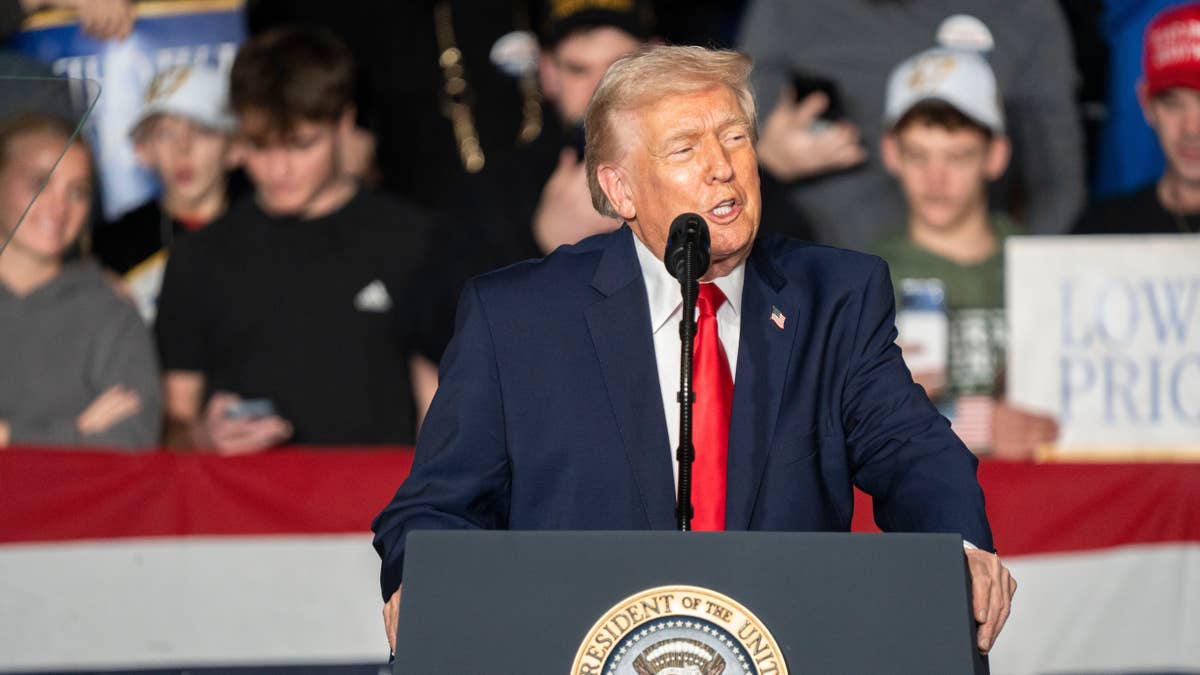
While celebrating NCAA champions at a White House event, the President shifted focus to a looming threat. "Without college sports, without your ability to go into college sports and compete and learn really how to play and get better, we're not going to have much of an Olympic team anymore," Trump stated emphatically. He highlighted a critical statistic: a staggering 75% of American Olympians are products of the collegiate system.
Trump framed non-revenue Olympic sports like swimming, gymnastics, and track and field as the nation's "major leagues" for global competition. "We train unbelievable athletes to go in and win the gold medal," he said, arguing this developmental engine is now sputtering. His concern extends beyond the upcoming Los Angeles 2028 Games, suggesting a fundamental breakdown that could impact American glory for decades.
An Unprecedented Presidential Playbook
Few commanders-in-chief have inserted themselves into sports policy as directly as Trump has during his second term. His administration has executed a one-two punch targeting two of the most contentious issues in athletics today.
First, in early 2025, he signed the "Keeping Men Out of Women's Sports" executive order. This directive forced federal agencies to reinterpret Title IX, effectively banning transgender girls and women from female sports categories at institutions receiving federal funds. The move sent shockwaves through the NCAA and athletic associations, prompting swift—and controversial—rule changes.
Second, the President has taken direct aim at the chaotic landscape of modern college athletics. In 2025 and again in April 2026, he signed orders designed to "save college sports." These directives push for tighter regulations on the booming Name, Image, and Likeness (NIL) market, stricter athlete transfer rules, and clearer eligibility windows. The 2026 order specifically warned that schools out of compliance could risk federal grants, while also mandating support for women's and Olympic sports programs.
The College Sports Crossroads
The President's warnings echo concerns from other sports commentators, like Scott Van Pelt's alarm over college sports' 'Wild West' future. At the heart of the debate is whether the current ecosystem, where athletes can freely transfer and monetize their fame, undermines the long-term development needed for Olympic success. Critics of the administration's approach argue the federal government has limited authority over the NCAA and that heavy-handed regulation might not survive legal challenges.
Supporters, however, believe the instability is precisely what threatens America's Olympic factory. If colleges drop non-revenue sports or if athlete development becomes fragmented, the pipeline that produces stars like Tom Brady's daughter, who shows Olympic volleyball potential, could vanish. The President's focus on this issue underscores a belief that national pride on the world's biggest athletic stage is at stake.
Trump's deep personal engagement with sports is well-documented, from his surprise appearances at events like the Army-Navy game to his keen interest in elite athletes, such as when he was stunned by NCAA golfers' jaw-dropping handicaps. This latest intervention, however, moves beyond ceremony into policy, framing the college sports debate as a matter of national sporting security.
The clock is ticking. With Los Angeles 2028 on the horizon, the question remains: Can the system that built decades of American Olympic triumph be preserved, or is a new model needed to keep the Stars and Stripes flying highest? The President has made his position clear—the future of Team USA depends on the answer.