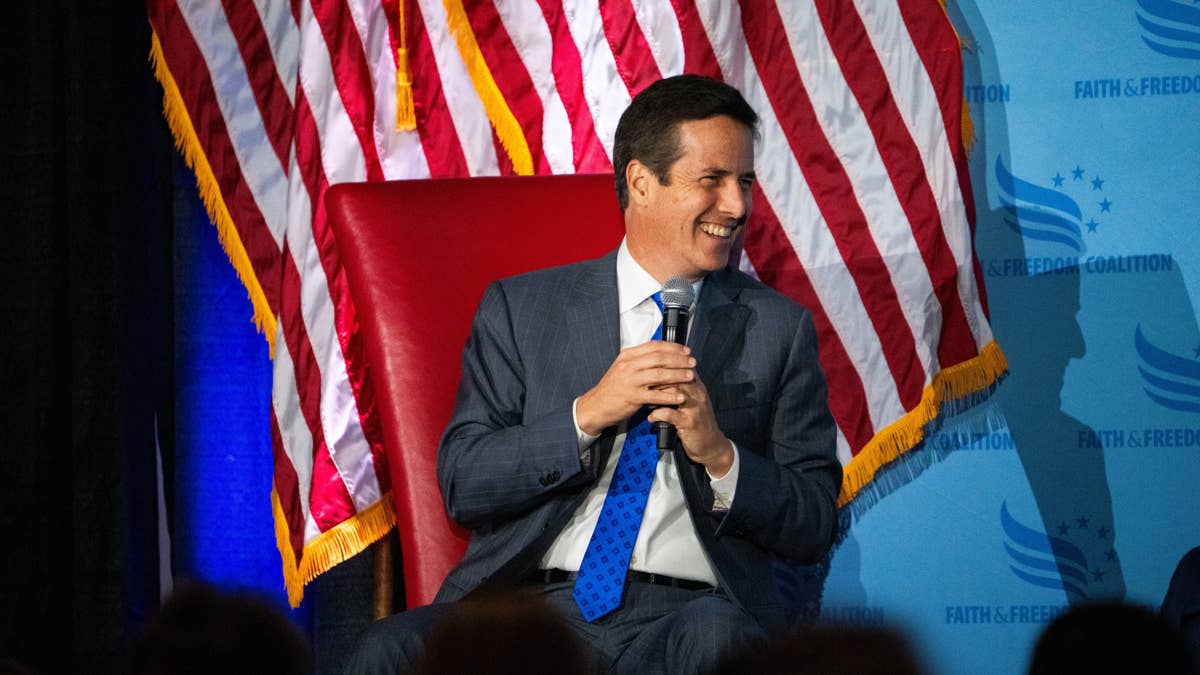
Forget backroom deals and quiet lobbying. When U.S. Senator Bernie Moreno (R-OH) wants something for his state, he goes straight to the source—even if that source is a WWE executive testifying before Congress. In a moment that blended sports, politics, and pure spectacle, Moreno turned a serious Senate subcommittee hearing into a public pitch session for the world's biggest wrestling event.
A Senate Hearing Takes a Surprising Turn
The hearing, focused on the Muhammad Ali Boxing Reform Act, featured WWE President Nick Khan discussing the company's business practices. But Senator Moreno saw a golden opportunity. Shifting gears from legislative reform to economic development, he posed a question that had nothing to do with boxing: "Mr. Khan, what is it gonna take to bring WrestleMania to Cleveland, Ohio?" Moreno didn't stop there, pressing for a timeline with a playful but pointed follow-up: "2029 or 2030, which one is better for you?"
Khan acknowledged the request was becoming a trend, noting that WWE superstar and YouTube sensation Logan Paul has also been publicly campaigning for a Cleveland WrestleMania. The exchange highlighted the immense cultural and economic cachet the event now carries, transforming from a wrestling pay-per-view into a global entertainment phenomenon that cities fiercely compete to host.
The Immense Scale of WrestleMania
It's easy to see why a senator would make such a public plea. WrestleMania isn't just a wrestling show; it's a financial and media juggernaut. The most recent edition, WrestleMania 42, shattered records with over 100,000 fans packing the stadium and generating more than a billion social media interactions across its two-night run. For a city like Cleveland, hosting the event would mean a tourism windfall, global media exposure, and a significant boost to local businesses—a political win any elected official would champion.
This kind of high-stakes lobbying for major sporting events isn't unique to wrestling. We've seen similar fervor around events like The Masters, where every detail becomes a national conversation. Just as a single fan's outburst can lead to a lifetime ban, a city's bid for a mega-event hangs on every detail and decision.
Why Cleveland Faces a Long Wait
Despite Moreno's enthusiastic pitch, the reality for Cleveland fans is a lesson in patience. WWE's WrestleMania calendar is booked years in advance, with destinations like Saudi Arabia, Indianapolis, and New Orleans locked in for the coming years. Nashville is also widely expected to be in the rotation soon. This puts Cleveland's earliest realistic shot at hosting in the early 2030s, likely after Moreno's current Senate term ends.
Weather and venue logistics present another hurdle. WWE has historically favored warm-weather climates or domed stadiums to guarantee a smooth show. While they've braved the elements in places like New Jersey and Philadelphia in recent years, the preference for controlled environments is clear. Securing a commitment would require not just political will, but proving Cleveland's facilities and infrastructure can meet WWE's exacting standards for its flagship event.
The public nature of Moreno's request underscores how modern sports entertainment intersects with politics and community advocacy. It's a far cry from the days when wrestling was relegated to cable TV. Now, it's a topic of discussion in the halls of Congress, with senators vying to bring its economic benefits home. This blend of sports and civic pride is a powerful force, similar to the passion seen in other sports, where personal journeys like Landon Donovan's mental health advocacy resonate deeply with fans.
For now, Senator Moreno's plea is on the record. WWE has heard the call from Ohio. But with a packed schedule and a list of suitors from around the world, Cleveland's wrestling faithful will need to hold onto their foam fingers for a while longer. The showdown for WrestleMania 203-something is just beginning.