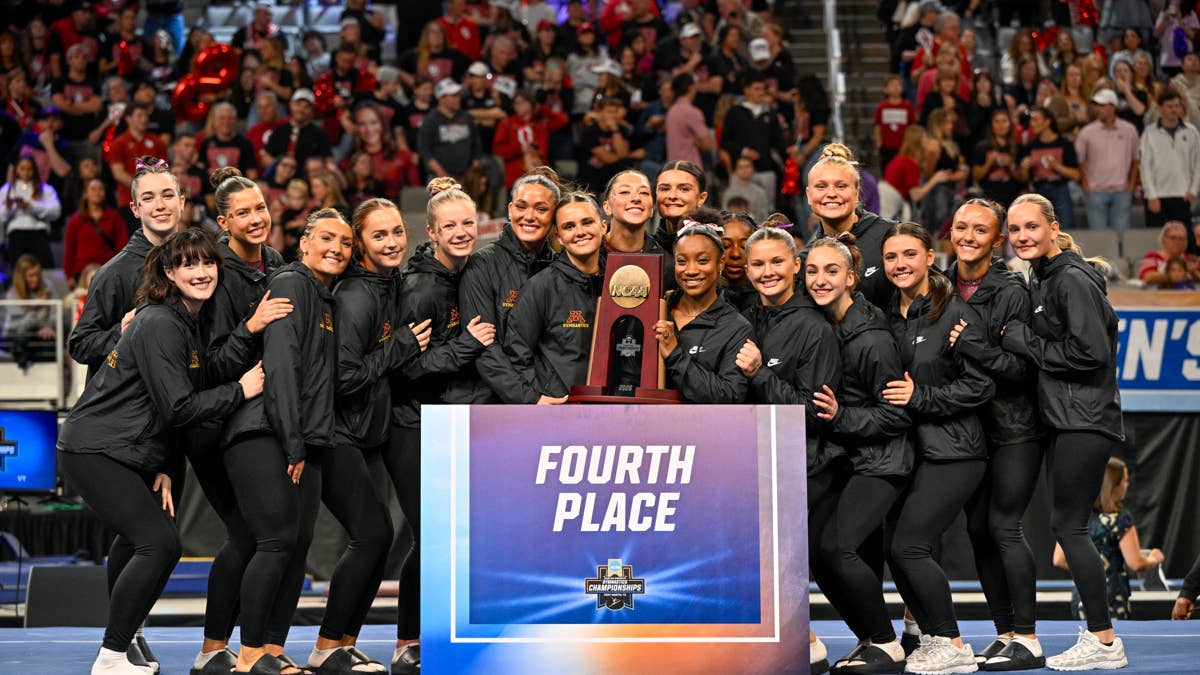
The 2026 NCAA Women's Gymnastics Championships crowned a familiar champion in Oklahoma, but the real drama unfolded off the mat. ESPN, the self-proclaimed "Worldwide Leader in Sports," finds itself in a full-blown controversy after its broadcast drew furious criticism from the Minnesota Golden Gophers team and a tidal wave of fan backlash on social media.
A Direct Call-Out From the Gophers
The firestorm ignited when the official social media account for the University of Minnesota women's gymnastics team directly tagged ESPN with a pointed question: "Split screen must be broken?" The post, made during the championship broadcast from Dickies Arena in Fort Worth, Texas, was a clear accusation that the network was snubbing the Gophers' performances in favor of other teams.
This isn't the first time a major network's broadcast decisions have sparked outrage. Fans might recall similar frustrations during ESPN's NHL playoff coverage, where production missteps drew sharp criticism from dedicated viewers.
ESPN's Defense: Catering to the 'Casual Fan'
Faced with the mounting criticism, ESPN provided an explanation to Front Office Sports. A network spokesperson stated that the broadcast approach for the quad meet had been intentionally shifted to "tell the story of the championship as the competition develops," with a focus on appealing to casual fans rather than hardcore gymnastics enthusiasts.
This rationale, however, did little to quell the anger. The debate touches on a central tension in sports broadcasting: the balance between narrative-driven production for a broad audience and comprehensive coverage that respects the athletes and dedicated fanbase. It's a challenge other sports have faced, as seen when NASCAR's 2026 TV strategy raised similar questions about alienating core supporters.
Social Media Erupts in Support of Minnesota
The court of public opinion delivered a swift and nearly unanimous verdict. Across social media platforms, fans expressed deep frustration with ESPN's coverage of the championships.
"An absolute JOKE," declared one viewer. "I'm so sorry you have to deal with this level of blatant & shameful disrespect!!! The Gophers earned their place and deserved every gymnast and every routine to be shown." Another fan, identifying as an Arkansas supporter, added, "It's a shame that a team that has worked so hard to be there wasn't equally highlighted. They deserved better."
The criticism grew even more pointed, with some accusing the network of bias, using the mocking nickname "eSECpn" to suggest a preference for schools from the Southeastern Conference. One user called it "by far the most disrespectful broadcast I have ever watched in my life." The outrage reached a notable peak when even fans of SEC schools were found siding with the Big Ten's Minnesota—a true sign of a unifying sports grievance.
A Broader Pattern of Broadcast Controversy?
This incident places ESPN under a familiar spotlight regarding its production choices. The network has recently navigated other broadcast-related firestorms, such as the fallout from controversial takes by former ESPN voices. Furthermore, the struggle to get live sports coverage 'right' is an industry-wide challenge, evidenced by the intense scrutiny faced by other networks, like the criticism CBS received before Jim Nantz forcefully defended his team's Masters broadcast.
At the heart of the issue is a fundamental question of respect. The Minnesota Golden Gophers, led by athletes like Jordyn Lyden who performed on the floor exercise in Fort Worth, earned their spot on the national championship stage. For their routines to be largely omitted from the primary broadcast in favor of a streamlined "story" feels, to many, like a disservice to the athletes' years of dedication.
While Oklahoma rightly celebrated another national title, the lingering headline from the 2026 championships is a media mess. ESPN's attempt to tailor its broadcast for a wider audience has, in this case, alienated the very core of the sport's passionate following. It's a stark reminder that in the high-stakes world of sports media, the story you choose to tell can sometimes become the story itself.