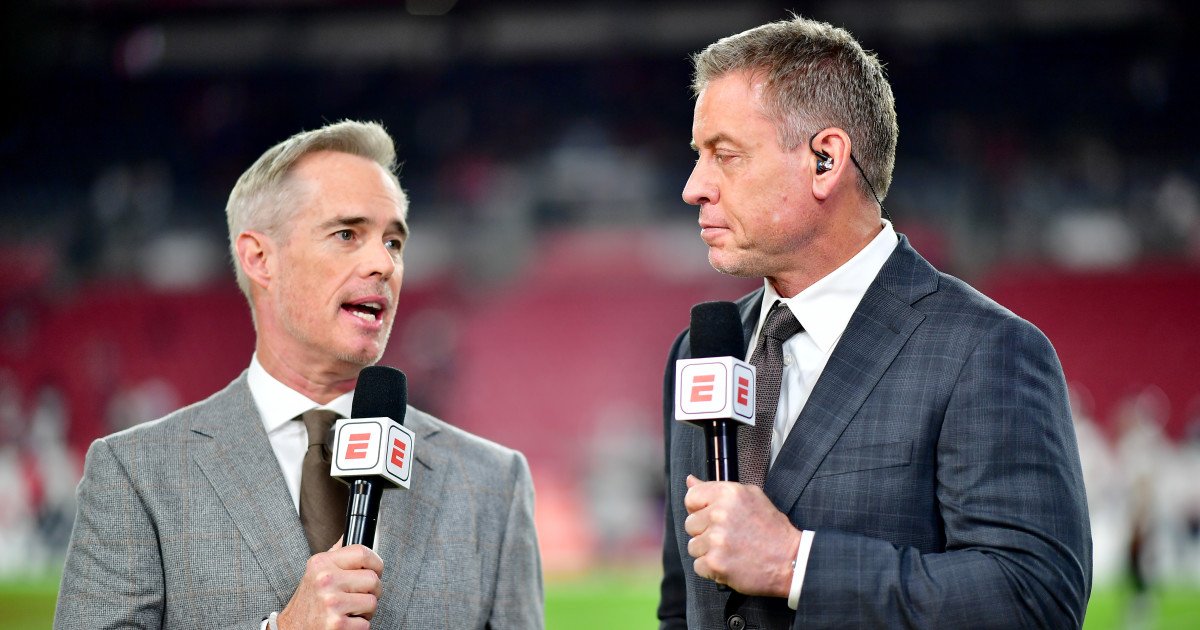
Get ready for the biggest showdown off the field. The National Football League, television's undisputed ratings king, is reportedly making an aggressive early move to renegotiate its broadcast deals, and all eyes are on a potential $4 billion blockbuster with ESPN. This isn't just business as usual—it's a high-stakes power play that could reshape how fans watch the game for years to come.
The $4 Billion Question
According to industry reports, the NFL is looking to rework its lucrative TV contracts well before key opt-out clauses kick in after the 2029 and 2030 seasons. While networks like CBS are reportedly facing potential 50% fee hikes, the spotlight is burning brightest on ESPN. The league is said to be seeking a deal that could push the Worldwide Leader's annual payment north of a staggering $4 billion.
For Disney-owned ESPN, that number represents a monumental jump. "A 50% increase would mean ESPN would pay more than $4 billion for that package—a number Disney would likely balk at," a CNBC report stated, highlighting the tension at the negotiating table. This comes as the network watches other sports entities make financial waves, like the recent record-shattering $12.5 billion valuation set by a Miami Dolphins sale.
Monday Night vs. Thursday Night: The Quality Debate
So why is ESPN reportedly digging in its heels? The heart of the dispute appears to be game quality. Network executives are reportedly frustrated that Amazon's "Thursday Night Football" package has seen a noticeable upgrade in compelling matchups, while ESPN's flagship "Monday Night Football" slate hasn't enjoyed the same perceived improvement.
This isn't just about pride—it's about prime-time ratings and advertising dollars. ESPN believes the NFL hasn't delivered equally competitive marquee games across its broadcast partners, giving the network leverage to resist a fee increase comparable to what other networks might pay.
A High-Stakes Game of Leverage
Both sides hold significant cards. ESPN's current contract is locked in through 2030, providing a solid foundation from which to negotiate. However, the NFL controls the ultimate prize: the games themselves. As analysts note, the league could theoretically continue to offer ESPN less desirable "Monday Night Football" matchups or place playoff games in less favorable time slots once certain guaranteed windows expire.
The negotiation dynamic reflects a broader trend in sports media, where legacy deals are colliding with streaming evolution and astronomical valuations. It’s a financial arena where even legends like Michael Jordan operate on a different level, and where strategic pivots, similar to LeBron James's reported shifts in ownership ambitions, can define careers and corporations.
With billions on the line and the media landscape shifting faster than a slot receiver, these talks are more than just contract chatter. They're a battle for the future of sports broadcasting. Will the NFL's unparalleled viewership dominance command an unprecedented price? Or will ESPN's platform and reach convince the league to compromise? The next move in this billion-dollar chess game will be one to watch.