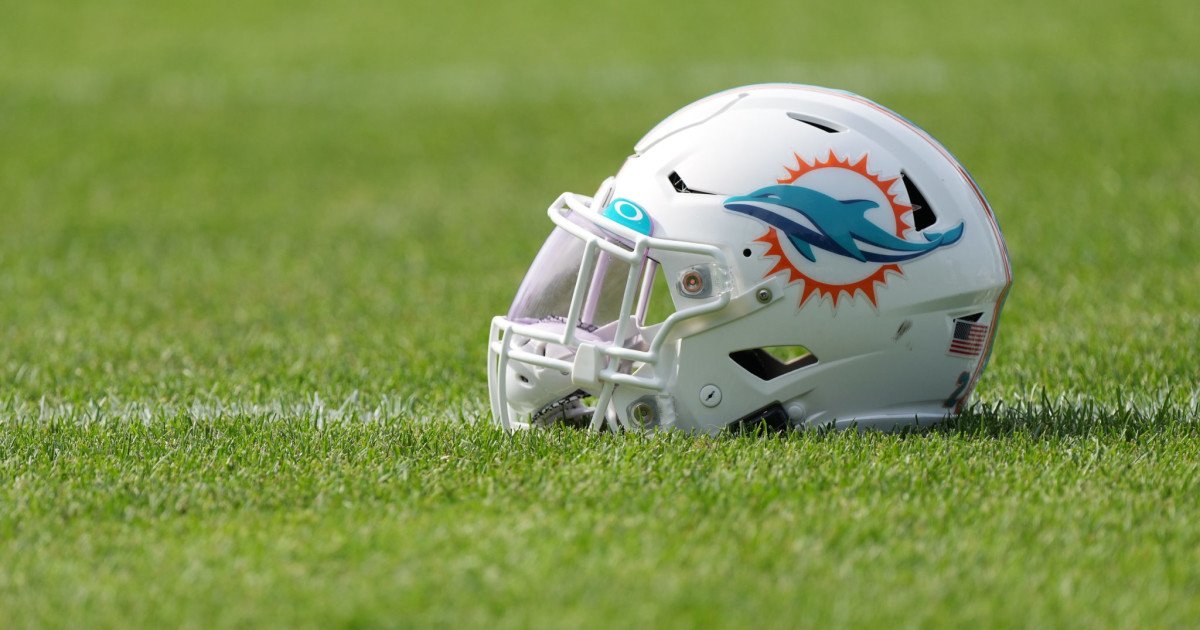
The value of an NFL franchise just reached a stratospheric new level, and it happened with the sale of a piece so small you might have missed it. Miami Dolphins owner Stephen Ross has sold a mere one percent stake in the team, but the price tag attached has sent shockwaves through the sports business world, establishing a new gold standard for what a football team is worth.
A Sliver for a Fortune
According to reports, billionaire Lin Bin paid a cool $125 million to acquire that single percentage point. The math behind that transaction values the entire Dolphins organization at a jaw-dropping $12.5 billion. This isn't just a big number—it officially makes the Dolphins the most valuable franchise in NFL history, dethroning the previous record held by the New York Giants, which were valued at $10.3 billion in a minority stake sale last fall.

For perspective, Ross had previously sold a larger 13% chunk of the team at an $8.1 billion valuation. This new deal represents a massive leap in worth in a relatively short time, underscoring the explosive growth of the league's economic engine. At 85, Ross maintains controlling interest and plans to keep the team within his family, but this strategic sale of a tiny piece has effectively reset the market.
The Ripple Effect Across the League
This record-setting valuation doesn't exist in a vacuum. It sends a powerful signal to every other owner and potential buyer about the ceiling for team worth. The Seattle Seahawks, currently on the market following the passing of owner Paul Allen, were already expected to command between $9 and $11 billion. The Dolphins' deal now suggests the final price could surge well beyond $12 billion, reshaping expectations for the entire league.
The landscape of NFL ownership has been transformed in recent years. While the $6.1 billion sale of the Washington Commanders in 2023 set a full-franchise record, the trend has since shifted toward these high-stakes minority transactions. The Philadelphia Eagles, for example, sold an eight percent stake at an $8.3 billion valuation. The average NFL franchise is now worth a staggering $7.65 billion, with eleven teams cresting the $8 billion mark.
Private Equity Enters the Game
Fueling this trend is a monumental shift in league policy. In a landmark 2024 vote, NFL owners overwhelmingly agreed to open the door to private equity investment, becoming the last major U.S. sports league to do so. The new rules allow funds to acquire passive minority stakes of up to 10% in a team, with minimum investments of 3% and a required holding period of six years.
This change is a game-changer. It injects massive new pools of institutional capital into the ownership structure, providing liquidity for owners like Ross while further inflating franchise valuations. It marks the dawn of a new financial era for the NFL, where the traditional model of sole or family ownership is increasingly blended with sophisticated investment capital.
The sale of that one percent of the Miami Dolphins is far more than a footnote. It's a loud, clear statement about the unprecedented financial might of the National Football League. In the high-stakes world of sports ownership, even the smallest piece can now command a king's ransom, and the ceiling for what a team is worth appears to have vanished into the clouds.