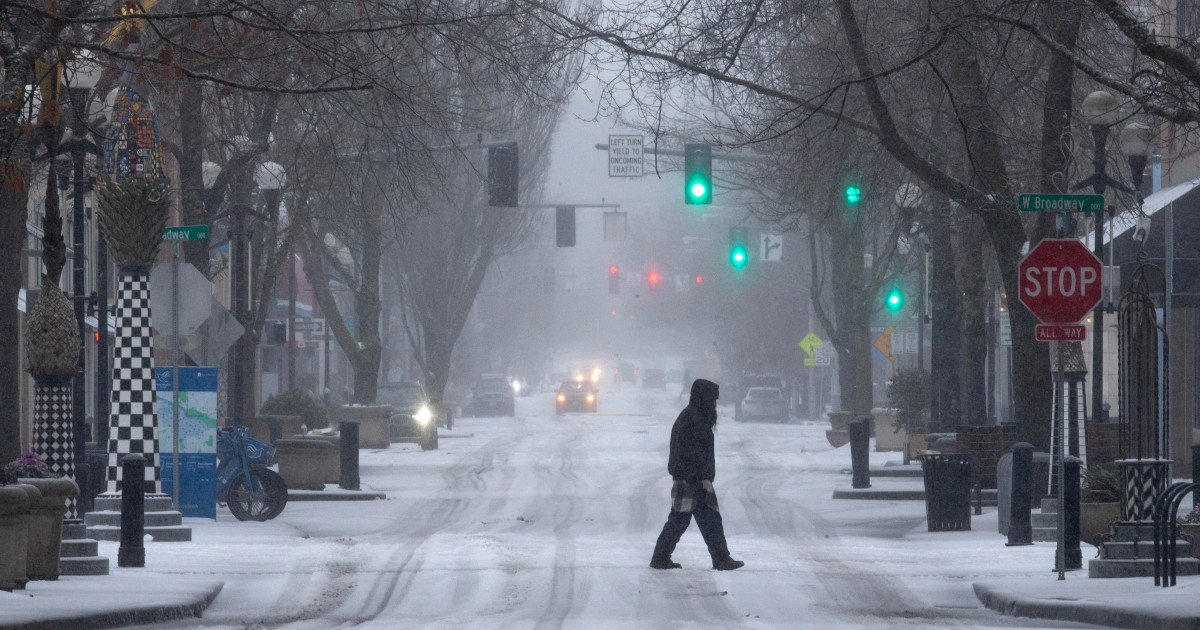
A massive winter storm is poised to unleash chaos across the American Midwest, with the National Weather Service issuing urgent blizzard warnings for Monday. States from Iowa to Michigan are bracing for a paralyzing combination of heavy snow and fierce winds, creating potentially life-threatening conditions for commuters and residents alike.
States Under the Gun
The core of the storm is targeting a multi-state region, with blizzard warnings active for Iowa, Illinois, Nebraska, Wisconsin, and Michigan. Forecasters are sounding the alarm for whiteout conditions, where visibility can drop to zero, making any travel not just difficult but extraordinarily dangerous. "The hazardous conditions will impact the Monday morning and evening commutes," the NWS alert starkly warns, urging extreme caution.

Michigan in the Crosshairs
While several states are on high alert, Michigan appears to be ground zero for this system. Some counties are forecast to receive a staggering accumulation of up to two feet of snow. Coupled with wind gusts predicted to reach 60 mph, the state is preparing for a severe weather event that could down power lines and cause widespread outages. This kind of storm system is a stark reminder of nature's power, much like the urgent warnings issued for impossible travel conditions in other recent blizzards.
The official alert leaves little room for interpretation: "Blizzard conditions. Additional snow accumulations between 1 and 2 feet. Winds gusting as high as 60 mph." The expected snowfall rates are intense, with 1 to 2 inches per hour possible during the peak on Monday morning, rapidly burying roads and creating deep drifts.
Safety First: Navigating the Storm
With travel deemed "treacherous and potentially life-threatening," authorities are pleading with the public to prioritize safety. The number one rule: stay home if you can. Venturing out unnecessarily puts yourself and first responders at risk.
For those who must drive, extreme adjustments are necessary. It's not just about driving slowly; it's about rethinking every maneuver. Increase your following distance to at least five or six seconds to allow for much longer stopping distances on icy roads. Accelerate and decelerate with deliberate gentleness to avoid skids. Knowing how your vehicle's brakes respond in these conditions is critical.
Hills present a particular challenge. Avoid powering up them, as this will only spin your wheels. Instead, try to build momentum on a flat section before ascending. Most importantly, do not stop while going up a hill, as starting again on an icy incline is extremely difficult. If you can maintain even a slow roll through an intersection instead of coming to a complete stop, do so.
Broader Weather Context
This blizzard is part of a pattern of volatile and dangerous weather impacting the nation. Just as communities grapple with snow, other regions face different threats, from the tornado threats that can disrupt major sports events to the tragic outdoor incidents that prompt urgent federal safety warnings. It's a crucial reminder for all sports fans and outdoor enthusiasts to stay informed about local conditions, whether planning a hike or traveling to a game.
As the storm intensifies, the message from officials is unified and clear. Prepare for power disruptions, avoid all non-essential travel, and heed local warnings. This is a storm to be respected, not challenged. Stay safe, Midwest.