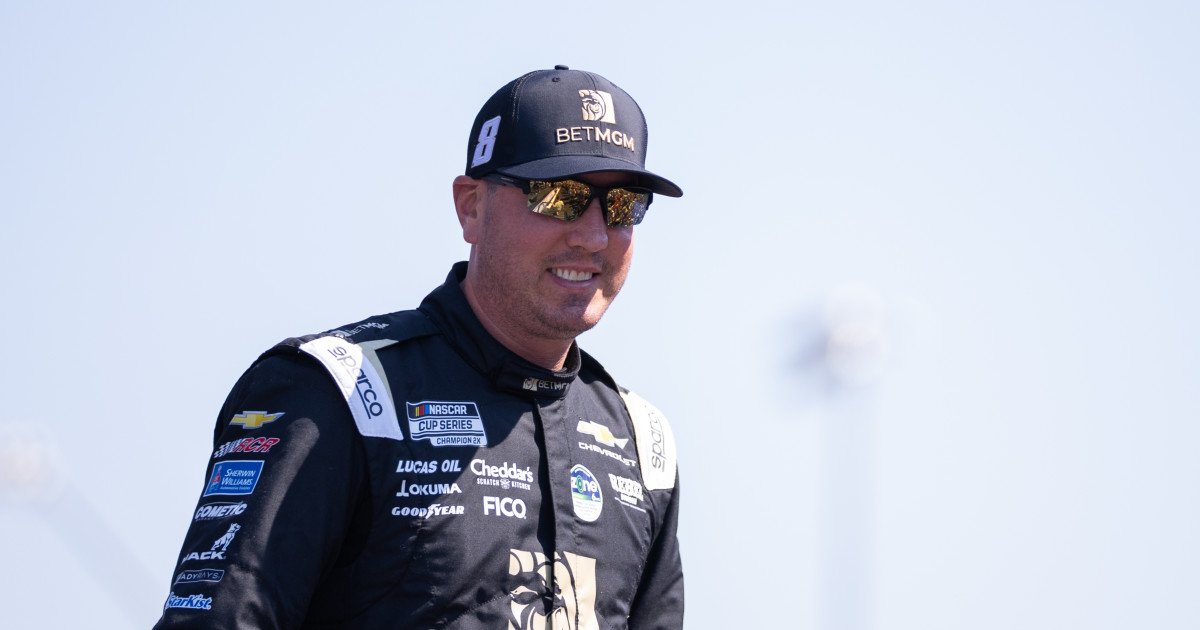
The roar of the engine isn't the only sound surrounding Kyle Busch these days. A quieter, more concerning murmur is growing in the NASCAR garage: is one of the sport's most prolific winners running out of track?
Busch, the fiery two-time Cup Series champion, is facing mounting scrutiny as the 2026 season stumbles out of the gate. A dismal 21st-place finish at Darlington's Goodyear 400 has only amplified the questions, with his Richard Childress Racing team yet to crack a single top-10 finish this year. The result? A sobering 23rd-place standing in the points race, a far cry from the championship aspirations that accompanied his contract extension just last year.
A Hall of Fame Voice Rings the Alarm Bell
Adding significant weight to the concern is former champion and current analyst Kevin Harvick. On his show "Speed," Harvick didn't mince words, painting a bleak picture of Busch's current trajectory. "We all want to see hope for Kyle Busch," Harvick stated. "But they just don't have the speed. You can see the frustration."
Harvick pinpointed the Gen-Seven car and a performance decline that began midway through Busch's first season with RCR. The initial spark—a couple of early wins—has faded into a prolonged struggle. "This is a contract year for Kyle Busch," Harvick emphasized, "and I'm a little worried as to how this whole thing ends." It's a stark assessment from a peer who knows exactly what it takes to compete at the highest level, echoing the kind of veteran concern we've seen in other sports, like when a veteran NFL physician sounds the alarm on player safety.
The Pressure Cooker of a Contract Year
The timing couldn't be more precarious. Busch's multi-year deal with RCR, inked with the shared goal of "winning races and championships together," is entering a critical phase. Last season's 21st-place points finish was a warning sign; the start of 2026 feels like a five-alarm fire. Every lap without competitive speed increases the pressure, not just on the driver, but on the entire RCR organization to deliver for a legend.
This kind of high-stakes, public evaluation isn't unique to the track. It mirrors the intense scrutiny athletes face across sports, whether it's a brutal takedown of a former colleague on sports radio or the relentless spotlight on a superstar's every move. For Busch, the frustration is visibly mounting, a testament to the relentless drive that made him great but now highlights the current struggle.
Searching for Speed at Martinsville
All eyes now turn to the paperclip-shaped Martinsville Speedway this Sunday. The short track is a place where driver skill can sometimes offset a pure horsepower deficit, offering a glimmer of hope for a turnaround. A strong run here is more than just needed points; it's a potential momentum-shifter, a chance to silence the doubters and prove the championship mettle is still there.
The narrative surrounding Busch is a compelling one in the world of sports: the champion facing a crossroads. Fans and analysts alike are torn between the desire to see a great return to form and the cold, hard reality of the timing sheets. As Harvick noted, everyone wants to see Busch in Victory Lane. But wanting and having the means are two different things.
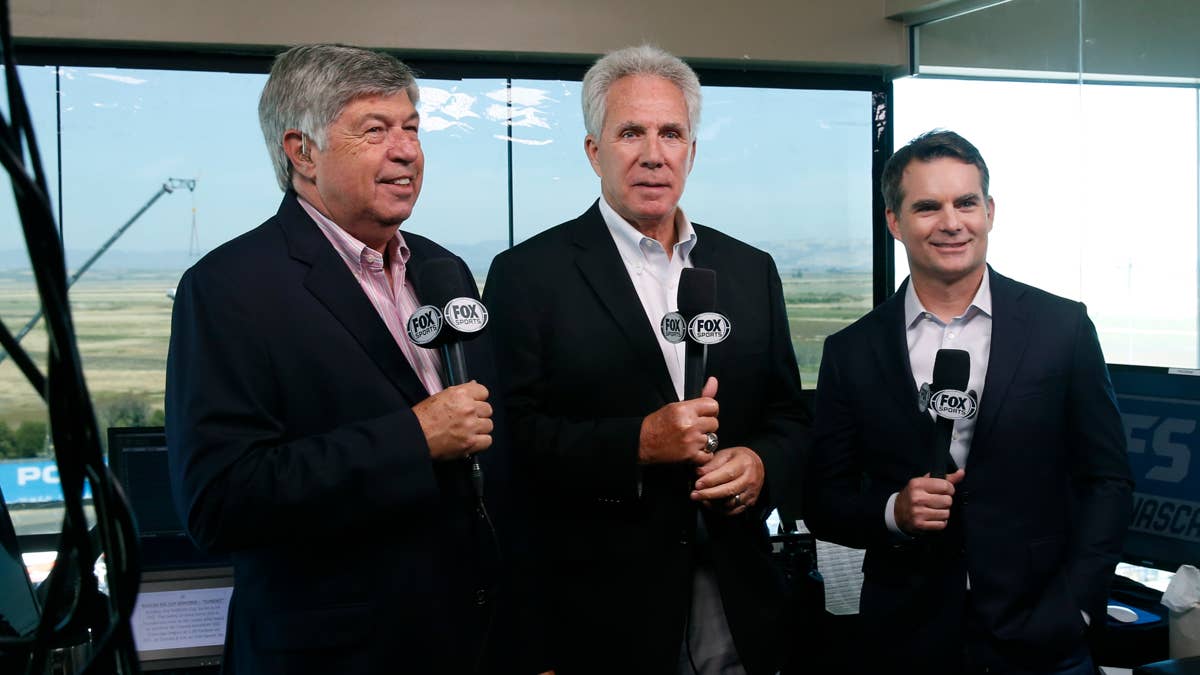
This story also serves as a reminder of NASCAR's deep history and the weight of its legacies. Discussions about team performance and driver legacies often circle back to iconic names and moments, much like Mike Joy's classic reminder about the true meaning of DEI in the sport's lexicon. For Busch and RCR, writing the next chapter of that legacy depends entirely on finding the missing speed, and fast.
The green flag at Martinsville won't just start a race; it will restart the conversation on Kyle Busch's future. Can the veteran dig deep and summon a classic performance, or will the concerns voiced by Harvick and others continue to define a season slipping away before it's truly begun? The garage is waiting for an answer.