The world of sports talk radio is no stranger to heated exchanges, but a recent clash between two New York City personalities has escalated into a full-blown war of words. What started as a seemingly minor jab has exploded into a public airing of grievances, revealing deep-seated tensions and casting a harsh spotlight on behind-the-scenes dynamics at one of the nation's most famous sports stations.
The Spark That Lit the Fire
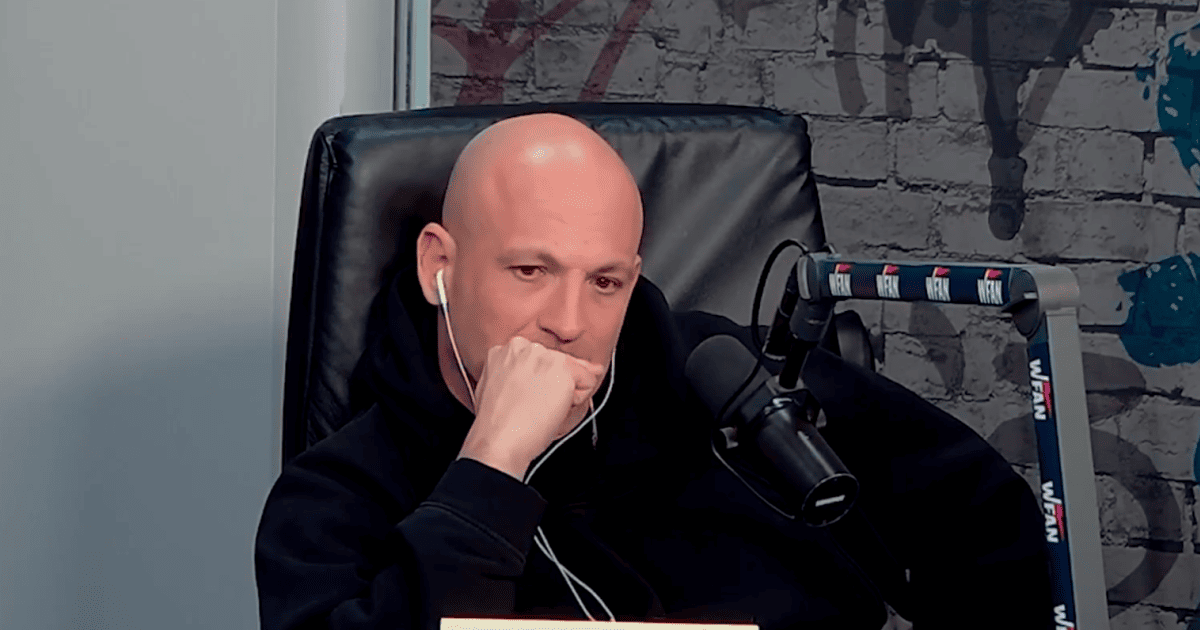
Brandon Tierney, who departed WFAN last year, recently returned to the airwaves for a guest spot discussing St. John's basketball. During the appearance, he took a shot at his former co-host, Gregg Giannotti, labeling him a "bad teammate." The dig referenced a prank call Giannotti made last year, where he jokingly accused Tierney of celebrating with St. John's players after a tournament win. Tierney, who had admitted to celebrating with staff but not players, apparently only recently learned the call was a gag from Giannotti.

Giannotti did not take the criticism lying down. He responded with a blistering on-air monologue that not only defended himself but launched a comprehensive counterattack on Tierney's character and career.
Giannotti's Scorching Rebuttal
"A bad teammate is the exact opposite of what I am," Giannotti declared, per reports. "Everybody that worked with Brandon couldn't stand him... people hated working with that guy. He's the bad teammate." Giannotti painted a picture of a difficult colleague, alleging Tierney would "trash his producers" and "belittle them." He framed Tierney's reaction to the prank as symptomatic of a larger problem: "He is someone who takes things way too seriously. He can't laugh at himself, and he doesn't get it."
Giannotti suggested this alleged lack of personality contributed to Tierney's exit from WFAN, stating, "if he did, and he showed a little bit more personality and could laugh at himself, maybe he would have had more success here." The host also revealed that Tierney had "pressed very hard" to get the recent guest spot on WFAN, a station Giannotti claimed Tierney now "thinks stinks," implying hypocrisy.
Management in the Crosshairs
The rant didn't stop with Tierney. Giannotti turned his fire on WFAN's program director, Ryan Hurley, for allowing Tierney back on the air. "Our program director is also a bad teammate for putting him on and caving in that situation," Giannotti said, calling the decision "ridiculous" and labeling Hurley "essentially a marshmallow speed bump." He argued management failed to "have the backs of the people that are here" after Tierney had co-signed critical comments about the station from another former host.
This kind of internal drama isn't isolated to radio booths. Across sports, public disputes about professionalism and camaraderie often make headlines, from fiery rants between MLB teammates to debates over teammates missing important farewells. Similarly, media personalities frequently clash over opinions and professional conduct, showing these spats are a staple of the sports world.
Beyond the Personal Beef
This incident highlights the intensely competitive and personal nature of drive-time sports radio, where hosts build their brands on strong opinions and charismatic—sometimes combative—personas. The line between on-air character and off-air reality often blurs, leading to genuine friction. Giannotti's decision to publicly criticize his own station's management is particularly notable, signaling possible internal frustrations that extend beyond a simple personal feud.
For listeners, it's compelling drama that blends sports commentary with reality-show-level conflict. For the industry, it's a case study in how grudges can spill into public view and how management decisions can become fodder for the very talent they oversee. As the dust settles, the fallout may affect perceptions of all involved, proving that in the arena of sports talk, the most intense competition sometimes happens between the microphones.