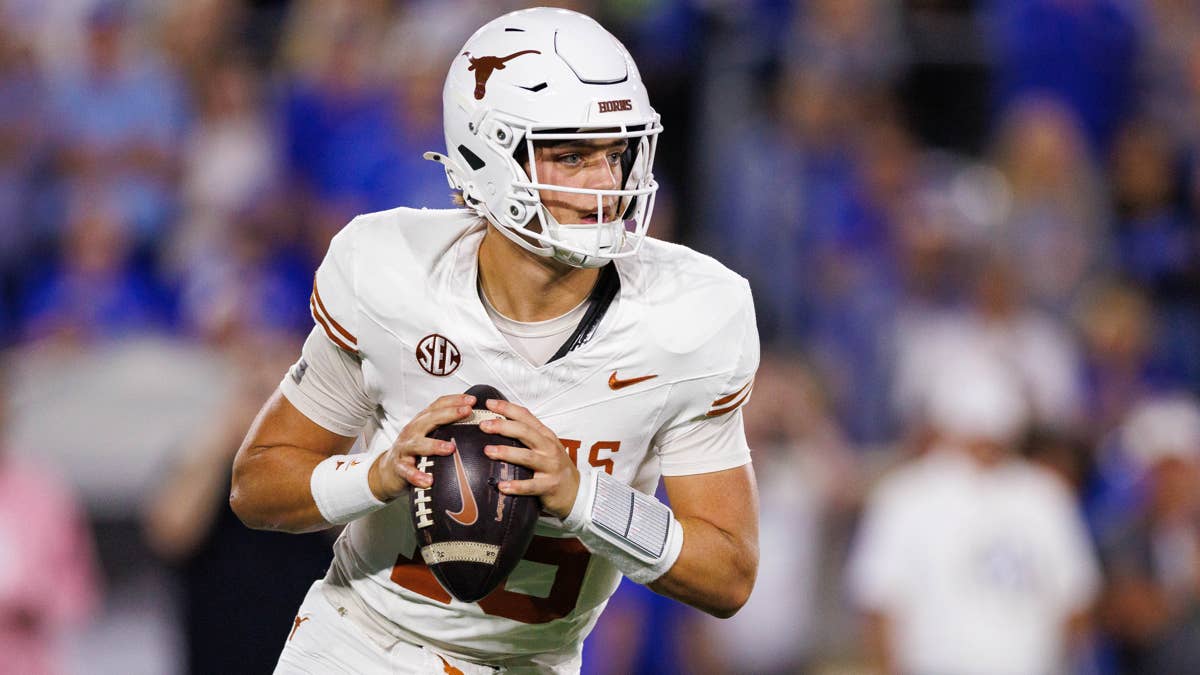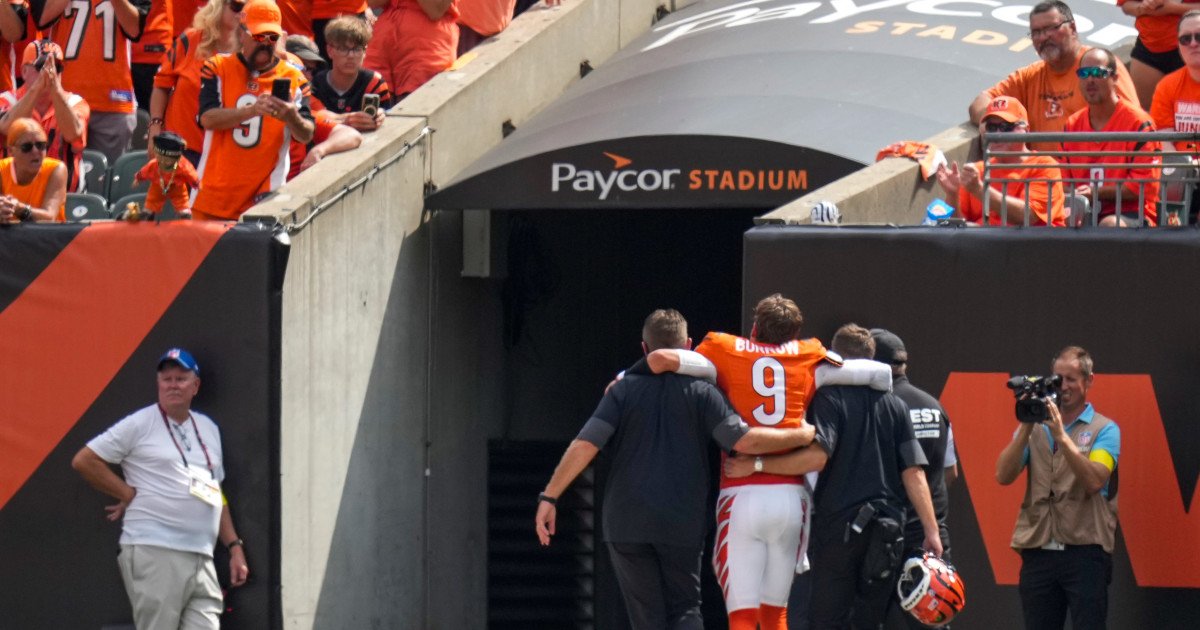
The NFL's relentless march toward more games and unconventional kickoff times is facing a serious medical red flag. Dr. David Chao, who spent 17 seasons as the team physician for the San Diego Chargers, is sounding a loud alarm, warning that the league's creeping schedule expansion is a direct threat to player safety.
"When I started in the NFL, it was the most popular sport," Chao told Outkick. "By the time I was done, it was more popular than all the other sports combined." He attributes the growth to broadening the audience and the rise of fantasy football, which creates personal investment. But now, he argues, the pursuit of even greater revenue is pushing the league into dangerous territory.
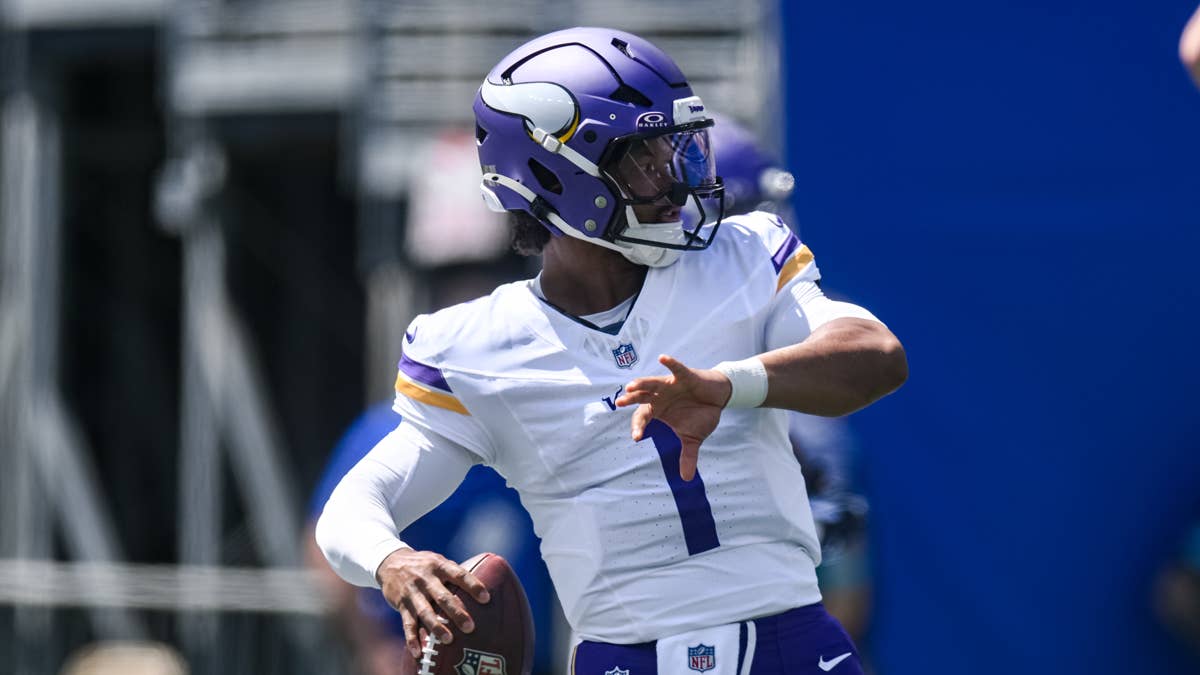
The Wednesday Night Gamble
The immediate concern centers on the NFL's reported plans to introduce a Wednesday night game during Thanksgiving week starting in 2026, with more midweek games expected when holidays like Christmas fall on a Wednesday or Thursday. While the league may frame these changes as safety measures—offering longer rest periods around short-week games—Chao sees a different motive.
"The NFL's been doing this creep for a while," he stated. "They do the Thursday season kickoff game and then more Thursdays during the season. They snuck in a Friday on everybody. They snuck in games on Christmas... I wouldn't be surprised if they went to Friday-Saturday-Sunday after the high school and college football season. And it's all about revenue."
A Doctor's Dire Warning
Chao's core message is blunt: more schedule chaos equals more physical danger. "It's dangerous," he said, directly challenging the NFL's potential safety justification for Wednesday games. He predicts the league will market the change as a health benefit, claiming it reduces short-rest scenarios. However, Chao views this as a smokescreen for a pure business decision that increases the physical load on athletes in a sport already defined by its violence.
This warning comes at a time when player health is a paramount public concern, following incidents like Skattebo's CTE Comments Spark Fury: Giants RB Issues Apology After Backlash. Many players were already unhappy with the move to a 17-game regular season, and the prospect of an 18th game coupled with erratic scheduling has sparked significant discontent in locker rooms across the league.
The issue extends beyond the NFL, as other sports also grapple with balancing commercial interests with athlete welfare, similar to concerns raised when Coco Gauff's Injury Alarm Bells Ring as Tennis Legend Sounds Warning. Chao's critique suggests that the NFL's model, while financially successful, may be approaching a physical breaking point.
Player safety advocates and some veterans have long argued for fewer games, not more, and a more consistent schedule to allow for proper recovery. The push for midweek games, especially on a short turnaround, contradicts that fundamental recovery science. As the league explores these new frontiers for broadcasting dollars, the voice of an experienced insider like Chao provides a crucial counter-narrative.
Ultimately, the league faces a critical question: How much schedule manipulation and expansion can the human body withstand? With a respected former team doctor now publicly declaring the current trajectory "dangerous," the NFL's next moves will be scrutinized not just for their entertainment value, but for their very real human cost. The debate mirrors urgent calls in other areas of sports, such as the push for A.J. Green Issues Urgent NFL Ultimatum: Mandate Mental Health Care or Face More Tragedy, highlighting a growing demand for holistic player protection.