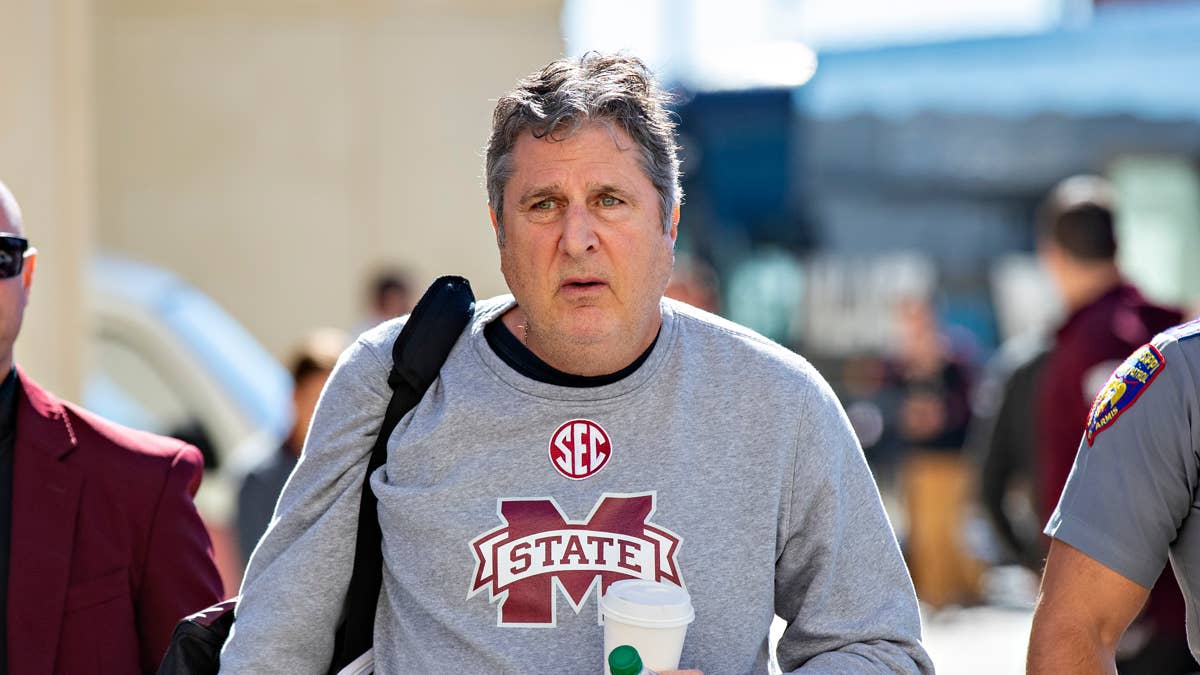
The late Mike Leach, one of the most innovative and beloved figures in college football history, will finally get his shot at Hall of Fame immortality. The National Football Foundation has adjusted the eligibility criteria for coaches, dropping the required winning percentage from 60 percent to .595 percent—a move that puts the Air Raid pioneer on the ballot for the first time.
Leach, who passed away in December 2022 from complications of a heart condition, spent his final season at Mississippi State and previously transformed Texas Tech into a perennial contender. His career winning percentage of .596 had kept him just short of the old threshold, a technicality that frustrated fans and colleagues alike. Now, with the rule change, he joins the list of 89 candidates—80 players and nine coaches—for the Hall of Fame's Class of 2027.
West Virginia head coach Rich Rodriguez, who also sits at .596, made it clear who the change was really for. “I believe that was done for my friend, Mike,” Rodriguez told ESPN. “I know a lot of us older coaches now take some pride in helping change the game in some way, helping it evolve in certain aspects and that’s one reason why we pushed to get Mike in.”
Leach's mentor, Hal Mumme—the architect of the Air Raid offense that Leach spread across the country—echoed that sentiment. “It’s the only sane thing to do,” Mumme said. “Why is 60% the magic number? I mean, not everybody gets to coach at Notre Dame or Texas or something. Throw the rule out and vote people in on merit.”
The ballot also features marquee names like 2010 Heisman winner Cam Newton of Auburn and 2011 Heisman winner Robert Griffin III of Baylor. But the spotlight, at least this week, belongs to Leach. His inclusion has sparked conversations about the broader need for reform in college football, where eligibility rules often lag behind the sport's rapid evolution.
Leach's impact on the game goes far beyond numbers. He turned the Air Raid from a gimmick into a mainstream offensive philosophy, influencing coaches at every level. His quirky personality—marked by pirate lore, memorable press conferences, and a deep love for history—made him a fan favorite. That legacy, rather than a decimal point, is what Hall of Fame voters will weigh.
The National Football Foundation's decision to lower the bar has been widely praised, though some wonder if it sets a precedent. As the sport's landscape shifts, the criteria for its highest honors may need to keep pace. For now, Leach's candidacy is a win for those who believe coaching greatness isn't always measured in tenths of a percentage.
Rodriguez summed it up best: “Mike changed the game. He made it more fun, more creative, and more exciting. That’s what the Hall of Fame should celebrate.” The selection committee will announce the final inductees later this year, but for many, Leach has already earned his place.