The business of basketball is taking center stage as the WNBA and its players' union work against the clock to secure a new collective bargaining agreement. With a critical deadline looming, two of the league's brightest stars are making their voices heard about how to get the deal done.
Star Power Weighs In
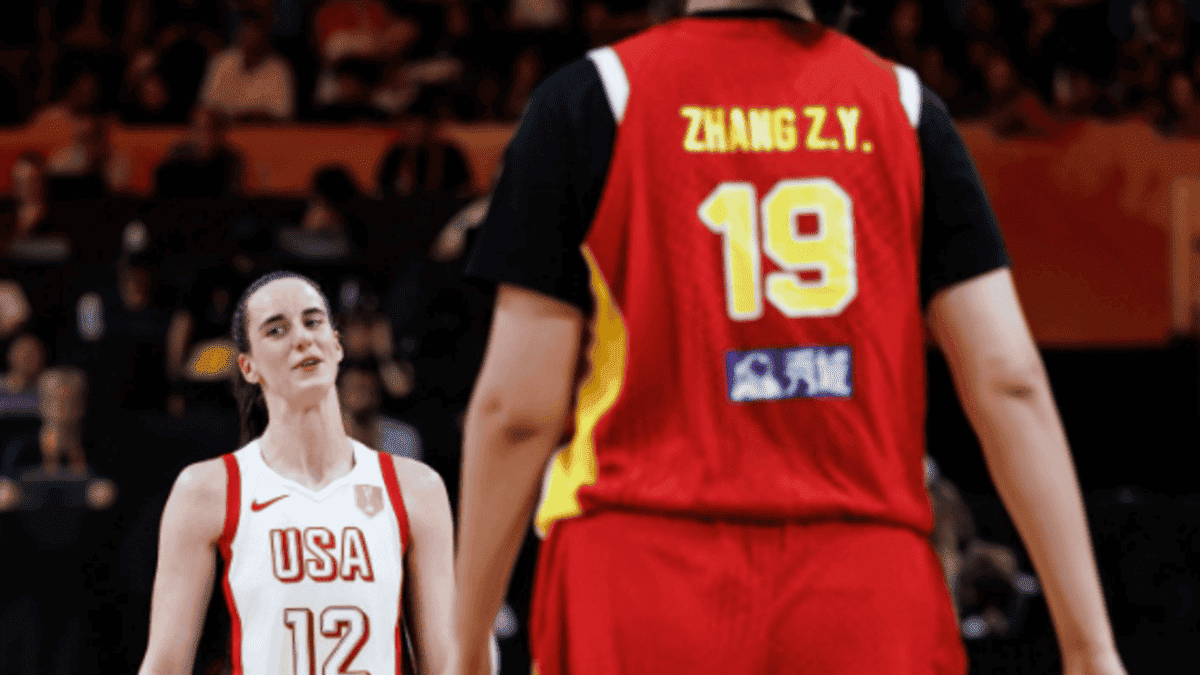
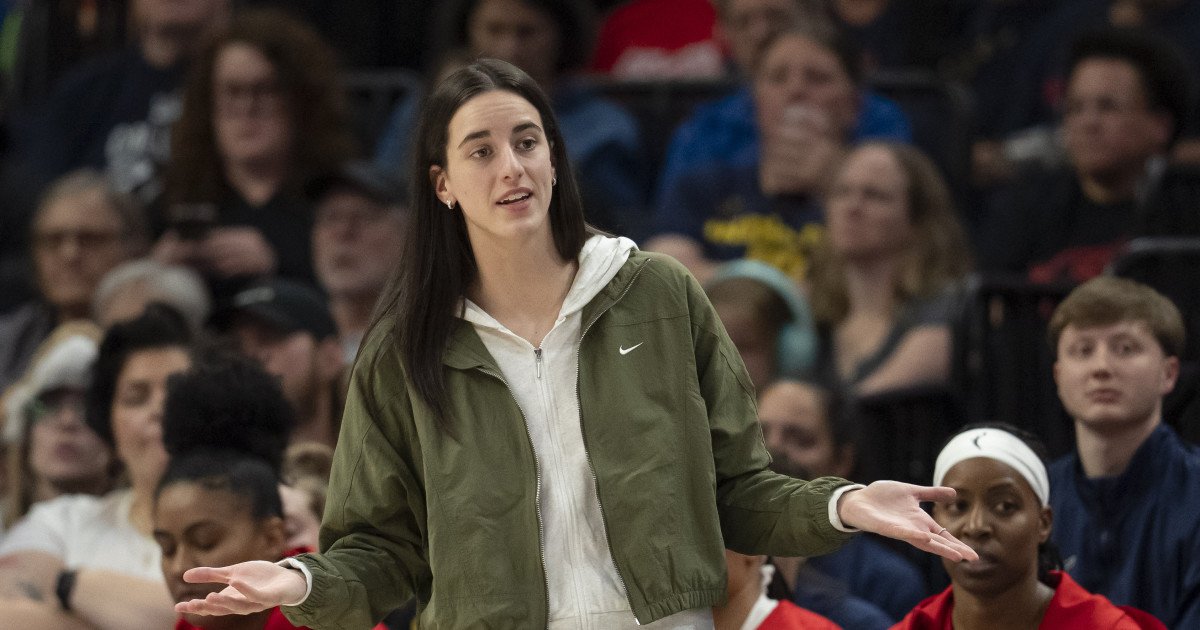
Indiana Fever sensation Caitlin Clark, whose arrival has brought unprecedented attention to the league, delivered a straightforward message about the negotiation process. "I don't get why we can't just sit down in the same room and work this out," Clark told reporters. "That's how business gets done. You look someone in the eye, you shake hands, you show respect to both perspectives. That's what I want to see happen."
Clark wasn't alone in her assessment. New York Liberty superstar and WNBPA vice president Breanna Stewart echoed the sentiment, advocating for marathon negotiation sessions if necessary. "It would be fantastic if we could all just stay in a room until we actually finish this," Stewart said. "If that means being there for hours on end, then let's do it. This is for the players' benefit. We haven't done it this way before, but there's always a first time."
The Stakes Are High
The urgency comes with good reason. The WNBA has set a March 10th deadline for reaching an agreement on the new CBA, warning that failure to do so could delay the start of the 2026 season scheduled for May 8. Such a delay would have significant consequences for both sides, potentially jeopardizing media contracts and other league obligations that depend on a timely season start.
The players' union presented their latest counterproposal on Friday, setting the stage for what could be a pivotal week of negotiations. As the league experiences unprecedented growth in popularity and revenue, the CBA discussions carry more weight than ever before in WNBA history.
Business Meets Basketball
Clark's comments highlight the evolving nature of professional women's sports, where business acumen is becoming as important as athletic performance. Her perspective reflects a generation of athletes who understand their value beyond the court, a theme that resonates across sports as seen when Megan Rapinoe defended Eileen Gu's business decisions or when Mike Tyson navigated legal challenges in his cannabis ventures.
The timing of these negotiations coincides with Clark's own meteoric rise, which some have called historically influential for women's sports. Her involvement in the CBA discussion adds considerable weight to the players' position, much like how Megan Keller's advocacy shaped conversations in hockey.
Pressure Mounts
With reports suggesting growing frustration among players, the need for resolution becomes more pressing by the day. The league's current momentum—fueled by rising attendance, increased media coverage, and groundbreaking television deals—creates both opportunity and pressure to secure an agreement that reflects the WNBA's growing stature.
Both Clark and Stewart emphasized the importance of mutual respect in the negotiation process, suggesting that face-to-face discussions could bridge gaps that distance and formal proposals might not. Their call for direct engagement represents a shift in approach for labor negotiations in women's professional sports.
As the deadline approaches, all eyes will be on whether the league and union can translate the stars' advocacy into concrete progress. The outcome will not only determine the immediate future of the WNBA but could set important precedents for how women's professional sports handle labor relations during periods of rapid growth and transformation.