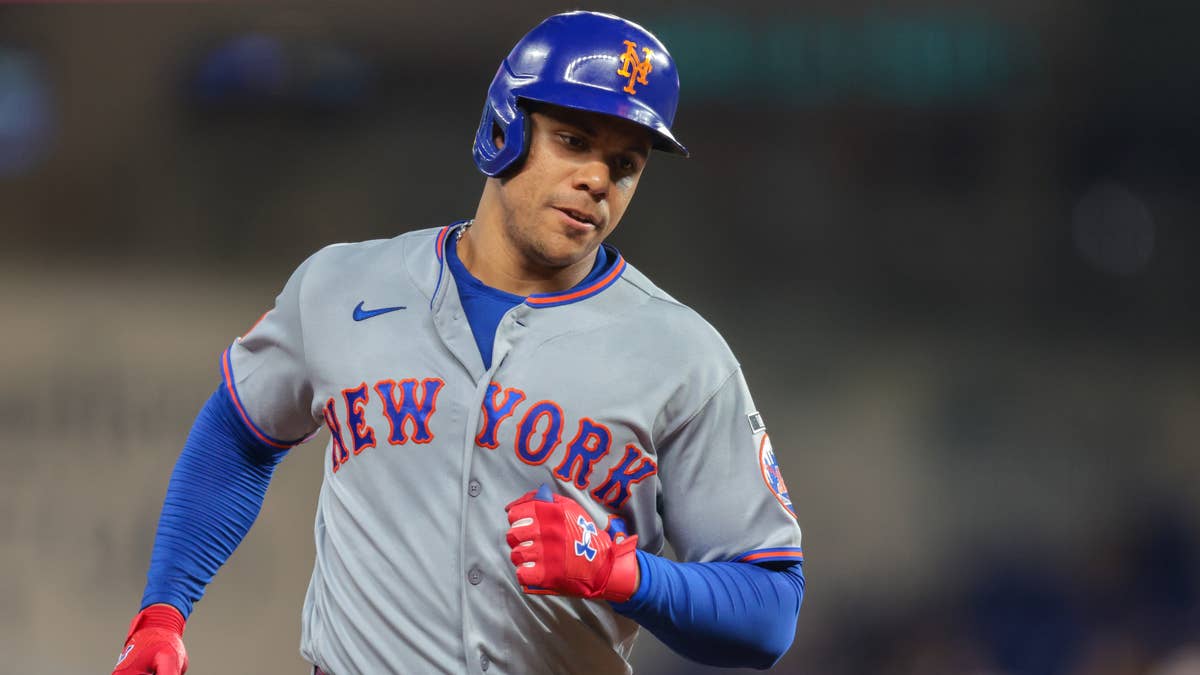
As the clock ticks toward a potential MLB lockout, the league's biggest stars are making their voices heard. With the collective bargaining agreement set to expire on December 1, the debate over a salary cap is heating up—and Mets superstar Juan Soto is not holding back.
The 26-year-old slugger, who inked a record-shattering 15-year, $765 million deal with New York last December, was asked for his take on MLB owners' proposal for a $245.3 million salary cap by 2027, paired with a $171.2 million floor. His answer was blunt: he wants no part of it.

“Baseball is doing great,” Soto told The Athletic. “We’ve been increasing every year. It’s been great for baseball. We are in the best moment in baseball right now in all kinds of ways. Why should we have a cap?”
Soto's stance aligns with the MLB Players Association, which has proposed a “competitive-integrity tax” for teams spending under $150 million instead of a hard cap. The union's primary goal is to boost revenue sharing from local media without capping player salaries—a move Soto clearly supports.
Mets left-hander David Peterson, the team's union representative, echoed Soto's concerns, pointing to key differences between baseball and other sports. “It works in basketball in that way because they don’t have as many guys, so you have a lot less guys for the pot to go around, and that’s a league where one or two people on the team pretty much sell the team,” Peterson explained. “That’s a lot harder to do in baseball.”
The proposed cap would have immediate consequences for several big-market clubs. According to MLB insider Bob Nightengale, eight teams—including the Mets, Yankees, Dodgers, Phillies, Braves, Astros, Blue Jays, and Red Sox—would need to trim payroll to fit under the $245.3 million ceiling. For the Mets, Soto alone would eat up more than 20% of that cap space.
MLB spokesman Glen Caplin defended the owners' proposal, saying it “levels the playing field while sharing baseball revenue with the players 50/50 as we grow the game together.” He added that sharing media revenue equally could help eliminate local TV blackouts, a longtime fan frustration.
But Soto and the union aren't buying it. With baseball's popularity on the rise, they see a cap as an unnecessary brake on momentum. As negotiations continue, the outcome remains uncertain—but one thing is clear: Ken Rosenthal has also warned that a salary cap would be a disaster, and players like Soto are ready to fight it.
The stakes are high. If the MLBPA can't secure a deal without a cap, big-market clubs could face a payroll ax, reshaping the league's competitive landscape. For now, Soto and his peers are standing firm, betting that baseball's current golden era doesn't need a ceiling.