The world of sports often collides with complex questions of identity and representation, and few recent stories have ignited that clash like the journey of freeskier Eileen Gu. The 22-year-old phenom, born in the United States but competing for China at the Winter Olympics, has found herself at the center of a fiery international debate. Now, she's receiving a powerful endorsement from one of America's most outspoken athletes: soccer legend Megan Rapinoe.
Rapinoe's Unflinching Support
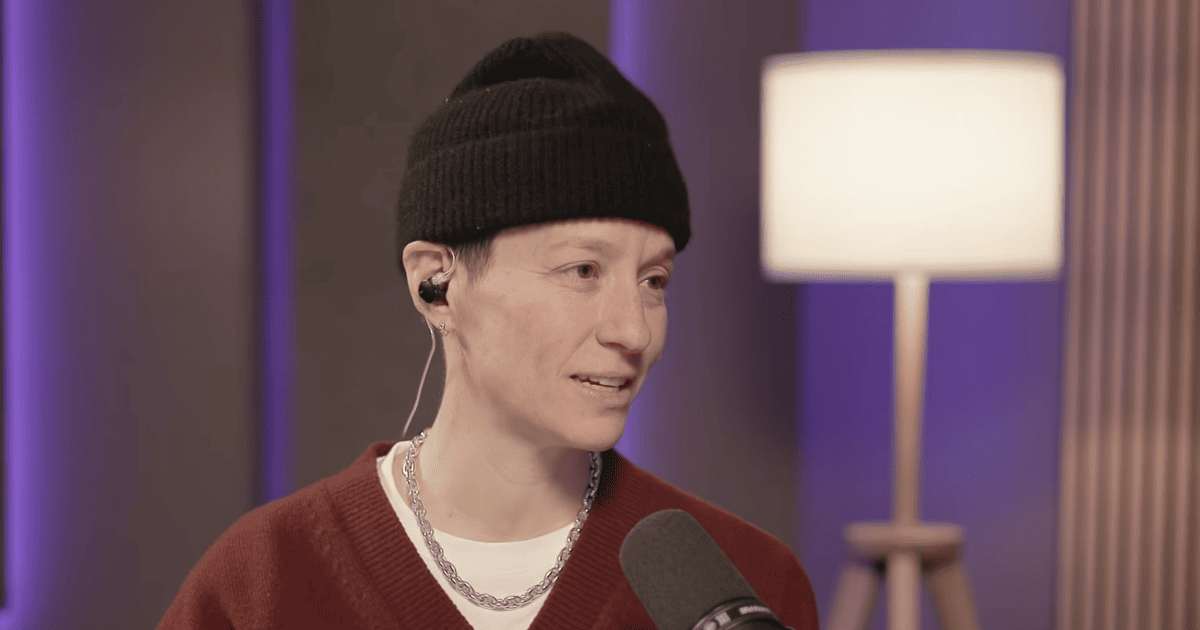
On her podcast with spouse Sue Bird, Rapinoe didn't mince words when discussing Gu's path. "Excellent business decision on her part, I just have to say it," Rapinoe stated, adding, "No shame in that game." This clear-cut backing from a USWNT icon offers a stark counterpoint to the criticism Gu has faced for her choice of national affiliation. Rapinoe and Bird also applauded Gu's handling of media scrutiny, with Bird calling one of her answers "the best I've ever heard to a question like that."

Gu's Focus: Making History, Not Headlines
For her part, Eileen Gu is steering the conversation firmly back to her sport. After securing six Olympic medals across two Games, including gold and silver in Italy, she faced questions about not winning more gold. Her response was a masterclass in confidence. "I'm the most decorated female freeskier in history, I think that's answer in and of itself," Gu declared. She dismissed the notion of 'medals lost' as a "ridiculous perspective," emphasizing that she is "showcasing my best skiing" and "doing things that quite literally have never been done before."
The 'Traitor' Accusation and Political Firestorm
The controversy stems from Gu's decision to compete for China, a move that has drawn intense backlash from some quarters. Former NBA player Enes Kanter Freedom leveled the harshest charge, telling Fox News, "She's a traitor." He criticized her for choosing to "compete against her own country for, literally, the worst human rights abuser on the planet, China," after building her fame in America. This sentiment highlights the deeply political dimension the debate has taken on, placing Gu in an uncomfortable spotlight far from the ski slopes.
Gu's Stance: An Athlete, Not a Mouthpiece
When pressed on geopolitical issues, Gu has consistently refused to be drawn in. She presents herself as a dedicated athlete and a cautious skeptic, not a political commentator. "I haven't done the research. I don't think it's my business. I'm not going to make big claims on my social media," she explained. Gu outlined a rigorous, almost academic standard for forming an opinion, stating she would need extensive evidence, primary sources, and historical context. "It's irresponsible to ask me to be the mouthpiece for any agenda," she concluded, drawing a firm boundary around her role.
The Unresolved Tension
This creates a fascinating dynamic. Rapinoe's support centers on the pragmatic and personal nature of Gu's choice, while Gu's detractors frame it as a moral and patriotic failing. Gu herself seeks to exist above this fray, defining success solely through athletic achievement. Notably, Rapinoe and Bird have not addressed the specific human rights criticisms raised by Kanter Freedom, focusing instead on Gu's agency and performance.
A Story That Transcends Sport
The Eileen Gu debate encapsulates modern sports' biggest questions: What does national representation truly mean in an increasingly globalized world? Where is the line between an athlete's personal choice and their public responsibility? With Megan Rapinoe's vocal backing, the conversation gains a new, high-profile layer. Whether viewed as a savvy career move, a point of contention, or simply the backdrop to a historic athletic career, Gu's story remains one of the most compelling and divisive in sports today, proving that some victories and decisions are measured far beyond the medal count.