The opening rounds of the NCAA Tournament are supposed to be pure chaos, a time when brackets shatter and unknown heroes emerge. This year, however, a strange sense of order has descended. The 'Madness' feels muted, and a chorus of fans has a clear suspect in mind: the era of Name, Image, and Likeness (NIL).
Where Are the Cinderellas?
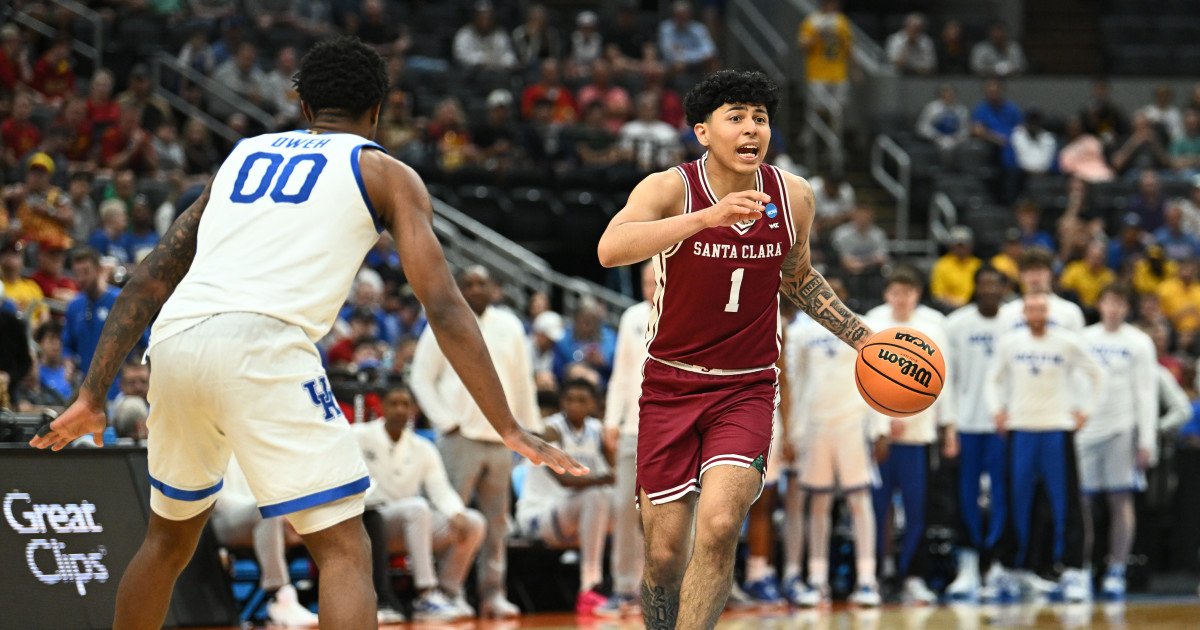
As the tournament moves into its second round, the landscape is startlingly familiar. Only a handful of teams seeded 10th or lower survived the first weekend, and just two schools from outside the traditional power conferences remain standing. For fans craving the magic of a true underdog run, the pickings are slim. If the last remaining potential Cinderellas—VCU and High Point—fall in their next games, the field will be composed entirely of college basketball's usual blue-blood and power-conference suspects.
The dominance isn't just about who advances, but how. Top seeds have rolled through their opening matchups with alarming ease. The average margin of victory for these favorites has been a staggering 24.5 points, leading to a parade of blowouts that has left viewers yearning for the nail-biters and shocking finishes that define March.
The Fan Verdict: NIL Killed the Drama
Across social media and sports forums, the sentiment is unified and blunt. "The transfer portal and NIL has ruined the NCAA Tournament," declared one fan, summarizing the widespread frustration after another lopsided result. "This is unwatchable." Others have drawn parallels to the consolidation of talent in college football, lamenting that the tournament has been "totally ruined" by the same forces.
The theory goes like this: NIL collectives at wealthy, powerhouse schools can now openly attract top talent, while the transfer portal allows established players to instantly jump to those programs. This creates a talent gap that smaller schools simply cannot bridge, making the historic upsets that fuel March Madness magic increasingly rare. The result is a predictable tournament where the rich get richer long before the first tip-off.
While the drama on the court has been lacking, it's been found elsewhere. From controversial officiating debates to celebrity social media takeovers, the conversation has shifted away from the games themselves.
Is This the New Normal?
The concern isn't just about one slow-starting tournament. This pattern of top-seed dominance and diminished chaos mirrors what fans witnessed last year, suggesting a systemic shift rather than a single-year fluke. The question haunting the sport is whether the fundamental unpredictability of March Madness—the very element that makes it a national phenomenon—is a casualty of this new era.
Can the magic return? There's still time for this tournament to deliver unforgettable moments, like an legendary buzzer-beater that rewrites history. But the early rounds have sparked an existential debate. If the upsets dry up and the favorites march unchallenged, what separates the NCAA Tournament from any other postseason? The charm of March has always been its beautiful chaos, and fans are worried that financial realities are imposing a cold, hard order that may last for the long haul.