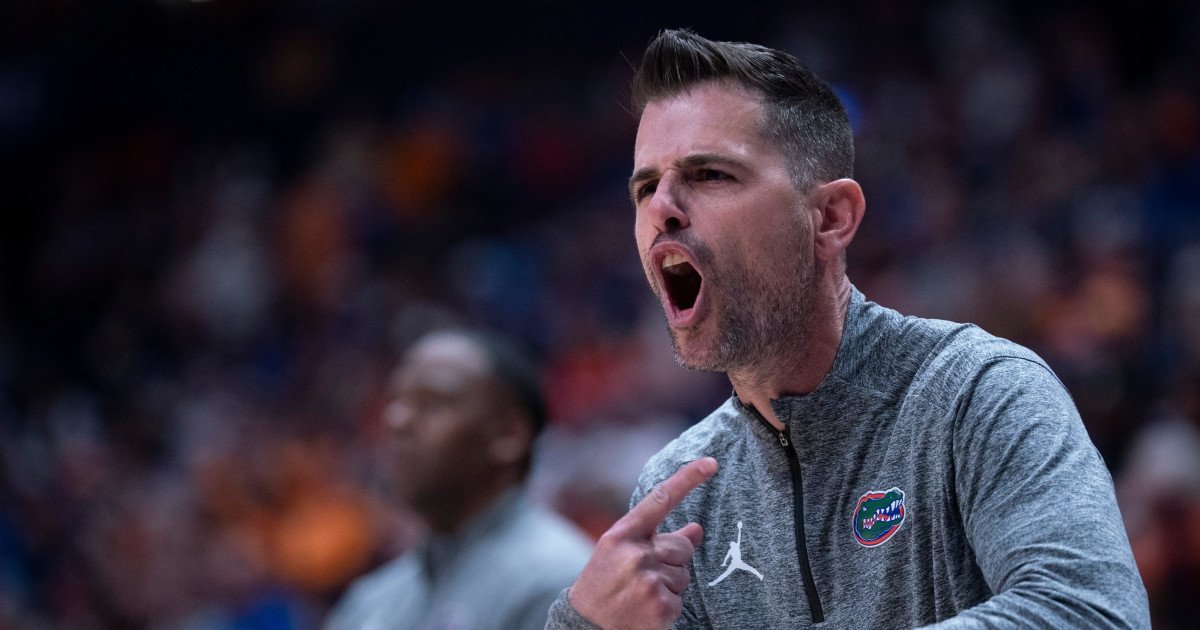
The dream of back-to-back national championships for the Florida Gators is officially over, and the blame is being placed squarely on the shoulders of head coach Todd Golden. In a heart-stopping second-round NCAA Tournament clash, the top-seeded Gators fell 73-72 to a resilient No. 9 seed Iowa Hawkeyes squad, but it was the final ten seconds that have become the defining story of March Madness.
A Stunning Collapse in the Final Seconds
With the clock winding down and Florida clinging to a precarious 72-70 lead, Coach Golden made a decision that has since ignited a national debate. Instead of dropping back into a half-court defense, the Gators deployed a full-court press against Iowa. The strategy backfired spectacularly. The Hawkeyes sliced through the pressure with ease, creating a numbers advantage that resulted in a wide-open, game-winning three-pointer from the corner with less than five seconds remaining. Florida's desperate heave at the buzzer fell short, sealing a brutal end to their title defense.
The immediate aftermath on social media was a torrent of disbelief and anger directed at Golden. Fans and analysts alike questioned the logic of pressing a team that needed a three-pointer to win, especially against an opponent that had struggled to score down the stretch. "That was coaching malpractice of the highest order," one fan declared, a sentiment echoed across platforms. Another added, "Golden just gifted Iowa a perfect look. You play solid half-court defense there ten times out of ten."
The Anatomy of a Controversial Call
Critics argue that the press was an unnecessary risk. Iowa, under first-year coach Ben McCollum, had played a brilliant game but was facing a Florida defense that had largely locked them down in the final minutes. By applying full-court pressure, Florida surrendered the controlled defensive setup they had worked for, allowing Iowa to attack in transition where defensive assignments are最容易混乱. The resulting open look from beyond the arc was, for many, a direct and predictable consequence of the gamble.
This kind of late-game managerial decision is what separates champions from the rest in the high-stakes environment of the tournament. While other coaches are praised for their poise, like Brenda Frese's intense leadership, Golden's choice has become a case study in what not to do. It joins a growing list of controversial tournament moments, such as the ugly offensive display between Kansas and St. John's, that define a team's exit.
The loss sends Iowa, the Cinderella of the South Region, soaring into the Sweet 16 for a showdown with Nebraska. For Florida, the offseason begins with a haunting question mark. The defeat also reshuffles the tournament landscape, with power metrics like ESPN's BPI recalculating Final Four odds in the wake of the major upset.
Golden, who led the Gators to a No. 1 seed and a dominant regular season, now faces his first true crisis in Gainesville. The decision has overshadowed a fantastic year and will be the primary topic of discussion surrounding the program for months to come. In a tournament where margins are razor-thin, a single strategic choice can immortalize a coach as a genius or, as in this case, leave them answering for a season-ending error.
This incident feeds into a broader narrative about coaching under the bright lights of March. While some programs face questions about roster building, like the scrutiny at Kentucky, Florida's exit is purely tactical. For Todd Golden, the 2024 NCAA Tournament will be remembered not for the Gators' potential, but for one devastating press that sent a championship dream up in smoke.