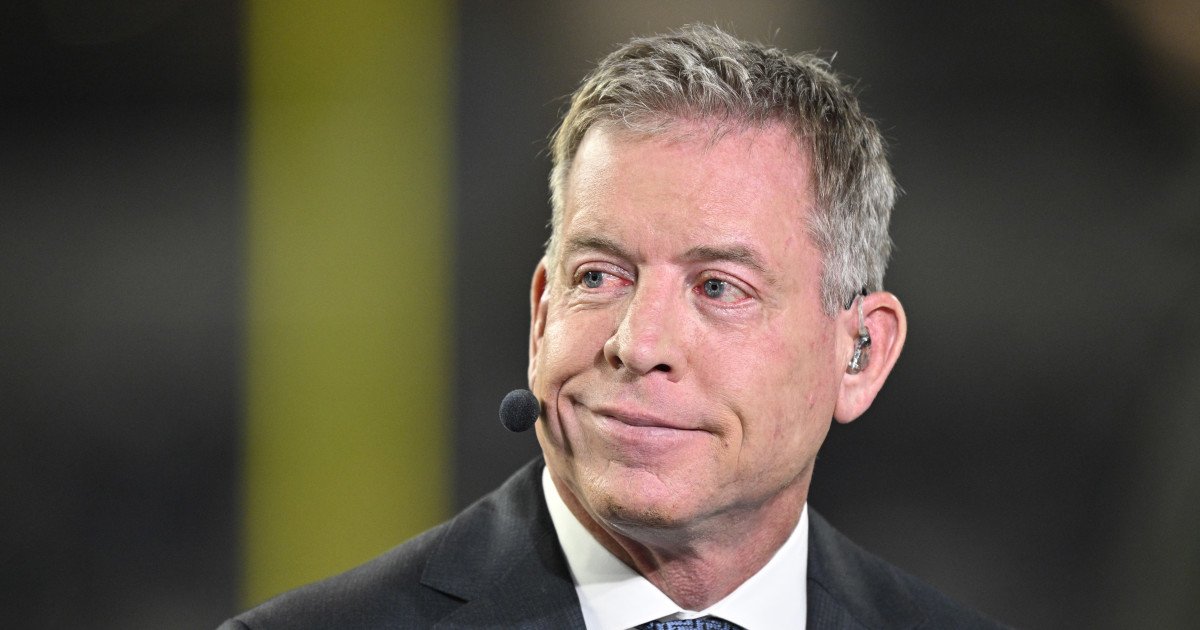
The line between NFL broadcaster and team insider is getting dangerously thin, and Hall of Famer Troy Aikman finds himself at the center of the controversy. The legendary Dallas Cowboys quarterback, now a lead analyst for ESPN's Monday Night Football, is facing growing criticism for his ongoing consulting role with the Miami Dolphins front office. As more media personalities take official positions with franchises, the fundamental question of impartiality is being shouted from the sidelines: Can someone truly serve two masters?
A Dual-Role Dynasty
Aikman confirmed his continued involvement with the Dolphins during a recent podcast appearance, revealing the partnership began when Miami approached him for guidance during their general manager and head coaching searches. "It kinda caught me out of left field," Aikman admitted, "but I dove into it... and thoroughly enjoyed it." He plans to maintain the relationship moving forward, stating it satisfies his front-office ambitions. This arrangement places Aikman in increasingly crowded company, joining figures like Tom Brady, who maintains ownership stakes in the Las Vegas Raiders while preparing for his FOX broadcasting debut.
The situation echoes other high-profile conflicts in sports media, like Bruce Pearl's Auburn advocacy during NCAA tournament coverage. As networks increasingly prioritize star power over pure journalistic separation, these entanglements are becoming normalized—but not without pushback.
The Impartiality Problem
Pro Football Talk's Mike Florio, who himself works for NBC Sports, launched a direct critique of the trend. Florio argues that when broadcasters accept paid roles with specific teams, they cross a line that should remain sacred. "Thanks to Brady's insistence on wearing two hats, the line hasn't simply been blurred," Florio wrote. "It's apparently been obliterated." The concern is straightforward: How can viewers trust analysis during a Dolphins game—or any game involving Miami's rivals—when the commentator has a financial and professional stake in one team's success?
This isn't Aikman's first brush with controversy on the air; he's previously made waves with unconventional takes on NFL safety. But this issue strikes at the core of sports broadcasting's credibility. The concern extends beyond game calls to broader league coverage, draft analysis, and even discussions about officiating—all areas where hidden loyalties could color commentary.
A League-Wide Pattern
The NFL's broadcasting landscape is undergoing a seismic shift. The traditional model of retired players transitioning cleanly to the booth is being replaced by hybrid arrangements where media figures maintain formal ties to organizations. This creates inevitable questions: Will Aikman unconsciously soften criticism of Dolphins management? Would he hesitate to highlight Miami's weaknesses during broadcast preparation? Even the perception of bias undermines the viewer's experience.
Similar debates about divided loyalties have erupted elsewhere in sports media, from programming choices that favor football over basketball to controversies in entirely different sports. The essential contract between network and audience relies on the belief that analysts call what they see, not what serves their other interests.
What's at Stake for ESPN?
For ESPN, the calculus involves balancing Aikman's considerable star power against growing ethical concerns. The network has remained silent on the arrangement, but the issue won't disappear—especially when Miami appears in prime-time slots. Every Dolphins touchdown pass or defensive collapse Aikman describes will now come with an unspoken asterisk for critical viewers.
The broader concern is about precedent. If Aikman's dual role faces minimal consequence, what stops every major broadcaster from seeking similar arrangements? The result could be a media landscape where every analyst has a hidden agenda, turning game coverage into subtle propaganda for their affiliated franchises. For fans who rely on broadcasters to provide clear-eyed analysis, that future looks particularly murky.
As the new NFL season approaches, all eyes will be on Aikman's commentary—not just for its insight, but for its integrity. The legendary quarterback built his reputation on straight shooting from the pocket. Now, he'll need to prove he can do the same from the broadcast booth, regardless of who signs his consulting checks.