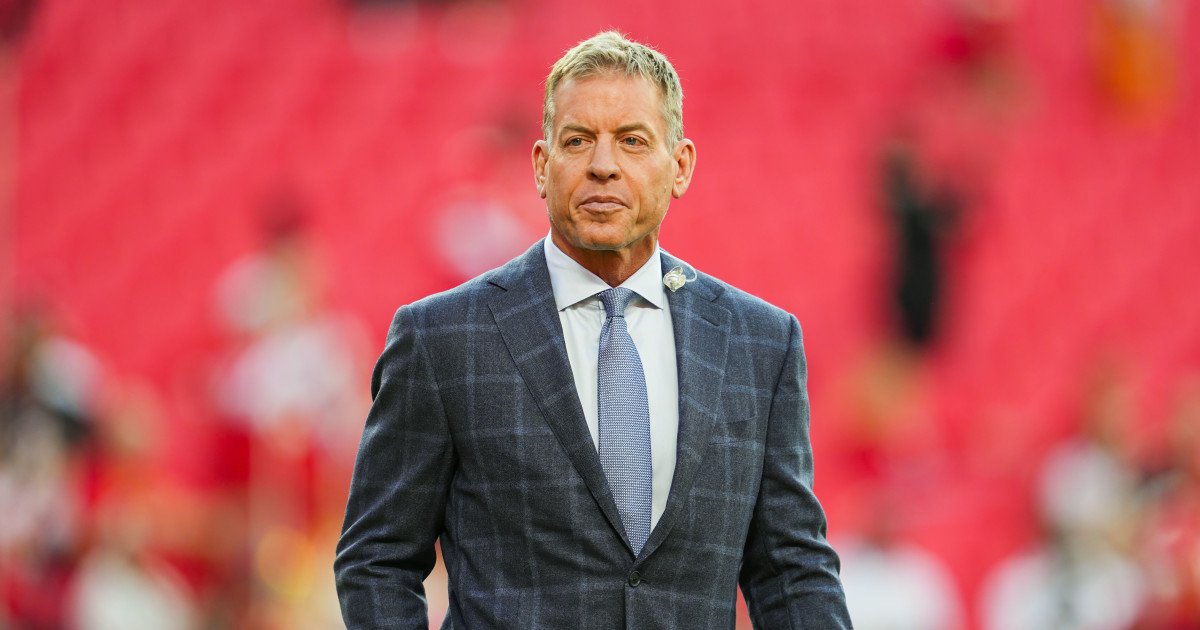
Football is evolving, but according to one of the game's most respected voices, not all changes are for the better. Hall of Fame quarterback and current ESPN analyst Troy Aikman is sounding the alarm on what he sees as a direct link between the NFL's modern, player-friendly practices and the troubling wave of injuries plaguing the league each season.
The Grind vs. The Guardrails
Aikman, who led the Dallas Cowboys to three Super Bowl victories in the 1990s, recently shared his blunt assessment on the "Rodeo Time Podcast." He contrasted the brutal training camps of his era with today's regulated environment. "Back then you did two-a-days in that kind of heat, day after day after day, two practices a day in full pads," Aikman recalled, specifically mentioning the Cowboys' former camp in sweltering Wichita Falls. "Now the restrictions, probably for the better, players aren't as taxed as they were."

While acknowledging the good intentions behind limiting contact, Aikman argues the pendulum has swung too far. He detailed how current rules limit padded practices to essentially one day a week, with more walk-throughs and recovery time. "It's pretty player-friendly and favorable," he said, but he believes this comfort comes at a cost.
A Surge in Soft Tissue Setbacks
The core of Aikman's critique centers on physical preparedness. He posits that without the grueling, callous-building work of old-school camps, players' bodies simply aren't ready for the explosive, violent demands of regular-season football. "A lot of the reasons I think that we see so many injuries, especially early in the year," Aikman stated. "A lot of soft tissue injuries, a lot of muscle pulls... the players, they're just not able to train the way that we once did, they're not able to callous their bodies as easily."
This theory adds a new layer to the ongoing conversation about player health. While rule changes have undoubtedly reduced catastrophic head injuries, the prevalence of hamstring, groin, and other non-contact muscle injuries seems to support Aikman's concern about overall physical conditioning. It's a stark reminder that athlete durability is complex, as seen when injuries force Pro Bowl anchor Ryan Kelly to end 10-year NFL journey.
Aikman extended his critique beyond the practice field to in-game rules, particularly those protecting quarterbacks. "Player safety is great. As a former quarterback, I do like that they protect quarterbacks," he admitted. However, he expressed sympathy for defensive players navigating a minefield of penalties. "The objective for a defense is to hit the quarterback... sometimes I think we're asking a lot from these defensive players, to try to navigate 300-pound offensive linemen and then not graze the helmet of the quarterback."
The Unstoppable March of Progress
Aikman's perspective echoes a common refrain from former players who believe the game has lost a certain rugged essence. It's a debate that pits old-school toughness against modern sports science and duty of care. Yet, for all the nostalgia and valid concerns, the league's trajectory seems set. The NFL is more popular and profitable than ever, making a return to the unforgiving methods of the past highly unlikely.
The conversation around safety extends far beyond the gridiron, touching all aspects of life where risk is managed, much like the discussions following a West Virginia high school mourns student's death, multiple injuries in weekend tragedy.
Ultimately, Aikman has ignited a crucial debate. Are today's NFL players better protected but less prepared? Can the league find a middle ground that preserves athlete safety while ensuring they are physically fortified for the brutal 17-game season? As teams battle the injury bug every fall, Aikman's controversial take suggests the solution might require looking back to move forward safely.