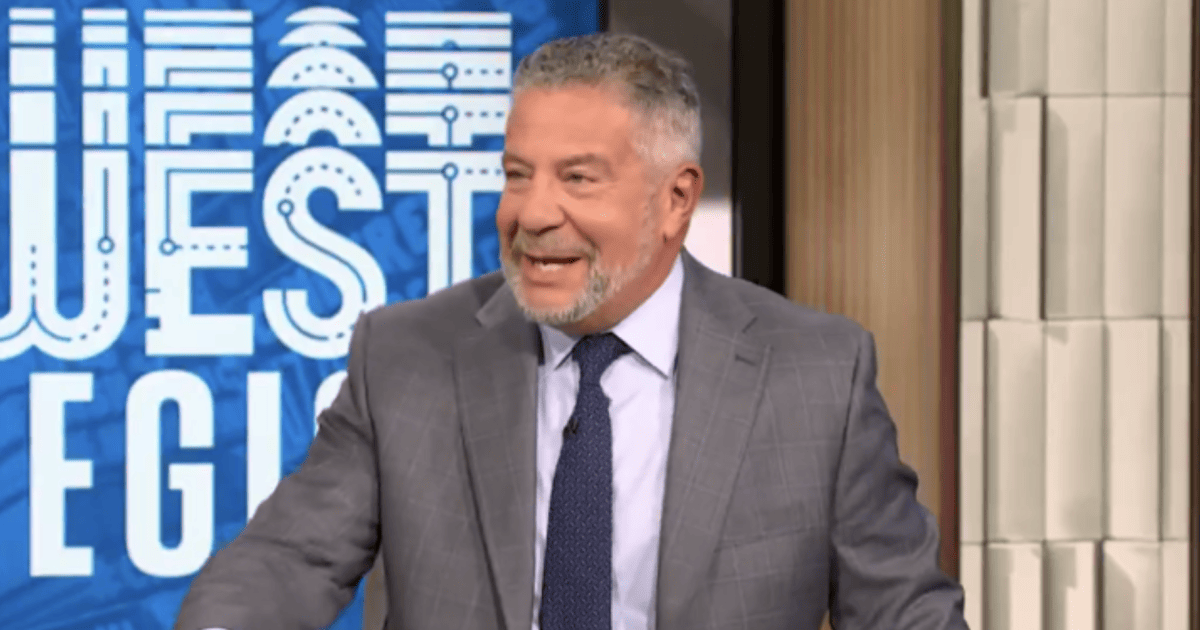
The annual NCAA Tournament Selection Show is supposed to be about objective analysis and bracket revelations, but this year's broadcast took a dramatic turn into family affairs. Bruce Pearl, the former Auburn head coach turned analyst, found himself at the center of a firestorm Sunday night after mounting a passionate—and many say problematic—defense of the Auburn Tigers, a team now coached by his son, Steven.
A Father's Plea
With the brackets being unveiled, Pearl made an impassioned case for Auburn's inclusion, despite the Tigers finishing the season with a middling 17-16 record and placing 11th in the SEC. "Auburn beat three champions this year," Pearl argued, listing victories over Florida, St. John's, and Arkansas. He emphasized the team's brutal schedule, questioning if they were properly rewarded for it, and suggested they deserved a spot over teams like SMU or Oklahoma.
The moment grew increasingly awkward as Pearl's broadcast colleague, Clark Kellogg, offered a gentle but firm reality check. Kellogg pointed out that the selection committee has historically never given an at-large bid to a team just one game over .500, noting that "the first criteria is wins and losses." The segment concluded with host Adam Zucker's dry, "Alright. Sorry you had to watch it all," a line that seemed to acknowledge the uncomfortable tension in the room.
Instant Backlash from Fans and Observers
The reaction online was swift and severe. Fans and commentators flooded social media, calling out Pearl's apparent bias. Many argued that a .500-level record simply shouldn't be rewarded with a tournament bid, regardless of schedule strength. The personal connection became a focal point, with critics labeling his advocacy as "pathetic" and blatantly biased, asking if he was simply "honking for his kid's team." One fan sarcastically praised his "unbiased opinion," while another bluntly summarized, "Beat 3 champions lost to 16 other teams." The consensus was clear: Pearl's analysis crossed a line from professional commentary into personal lobbying.
The Elephant in the Broadcast Booth
Complicating matters further are recent reports confirming that Bruce Pearl remains on Auburn's payroll in an advisory role, even while collecting a check from Turner Sports for his analyst work. This revelation has sparked serious questions about a massive conflict of interest. Can an analyst be truly objective when he's financially tied to a program he's discussing? The situation echoes other recent controversies in sports broadcasting where personal ties have clouded professional judgment.
This isn't the first time a Selection Sunday analyst swap has caused friction, but the personal stakes here are uniquely high. The incident also casts a shadow on the selection process itself, coming in a year when the selection committee is already under fire for several controversial seeding decisions.
A Broader Problem for Sports Media?
Pearl's controversial stand highlights an ongoing tension in sports media between insightful analysis and perceived boosterism. As networks increasingly hire former coaches and players for their insider knowledge, the line between expert and advocate can sometimes blur. The audience expects transparency and impartiality, especially during high-stakes events like the bracket reveal.
While passionate debate is part of the fun of March Madness, Pearl's case raises a critical question: when does fervent analysis become an unprofessional breach of ethics? The backlash suggests viewers are keenly aware of the difference. For a show that sometimes struggles with pacing, as evidenced when CBS heeded fan fury to deliver brackets faster, content and conduct clearly matter just as much as timing.
For now, Bruce Pearl's Selection Sunday performance will be remembered less for its basketball insight and more for the uncomfortable spotlight it shone on the tangled web of family, finances, and fandom in modern sports broadcasting. It's a drama that, for many, overshadowed the brackets themselves.