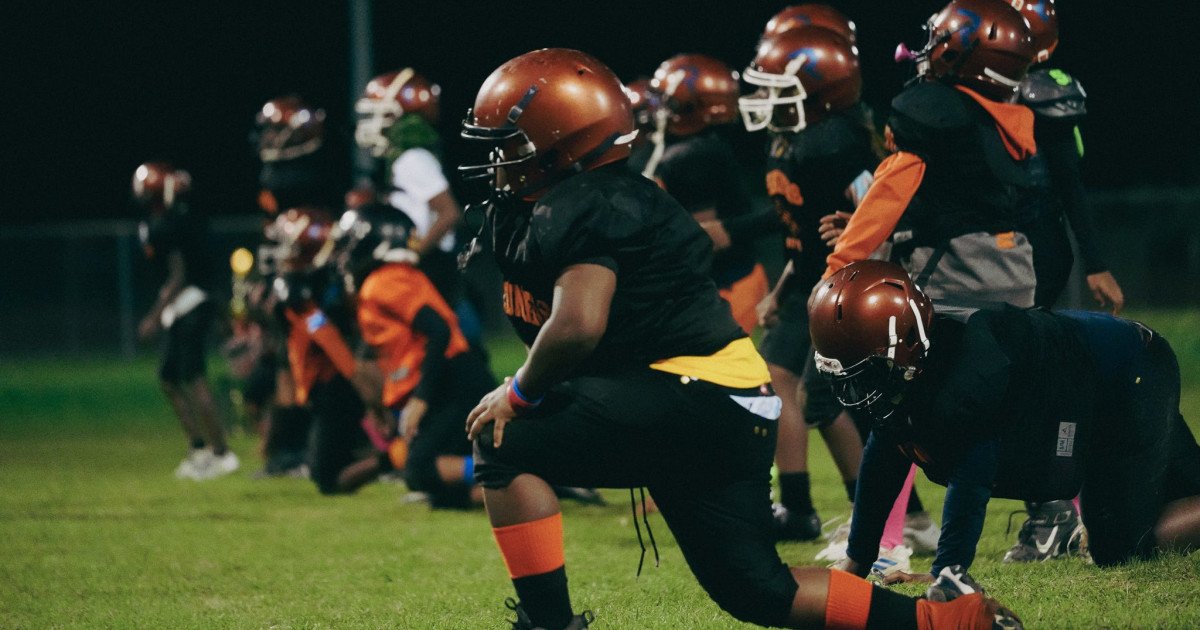
A sobering new medical study is sending shockwaves through youth sports communities, delivering a hard-hitting warning to parents of young football players about the alarming prevalence of brain injuries. The research paints a concerning picture of the gridiron's risks during crucial developmental years.
The Stark Numbers Behind the Warning
According to findings led by Dr. Steven Wolf of Boston Children's Health Physicians and the American Academy of Neurology, football stands alone as the most dangerous sport for young brains. The data reveals that a staggering 19% of all traumatic brain injuries (TBIs) suffered by youth athletes occur on the football field—nearly double the rate of soccer (11%) and basketball (10%), the next highest sports. This means young football players are approximately twice as likely to sustain a brain injury compared to participants in any other athletic activity.

"Traumatic brain injuries from sports are a common, yet preventable, source of long-term neurological and psychiatric issues in children and young adults," Dr. Wolf emphasized. "Our study found that nearly one in five of these injuries occurred in youth football, with these athletes also experiencing more repeat brain injuries than youth in other sports."
A Pattern of Repeat Injuries
The troubling pattern doesn't stop at initial incidents. The research uncovered that repeat concussions are significantly more frequent in football. While repeat TBIs occurred in 32% of cases across all youth sports studied, that number jumped to 37% specifically for football injuries. This cycle of recurrent trauma during key brain development stages raises serious red flags for long-term health consequences.
The study examined injuries across numerous activities including soccer, basketball, baseball, cycling, skiing, skateboarding, hockey, lacrosse, and volleyball, yet football consistently emerged as the outlier for risk. This comprehensive analysis strengthens the urgency of its conclusions.
A Growing Movement for Change
In response to mounting evidence, many families are reconsidering their children's participation in tackle football. A growing chorus of safety advocates and concerned parents is pushing for widespread adoption of flag football for younger age groups, delaying tackle introductions until high school or later. This shift reflects a broader national conversation about revolutionizing youth sports safety.
Dr. Wolf's team frames this as a critical public health issue. "Our findings highlight youth football as a critical public health priority, suggesting that brain injuries sustained during key stages of development may reshape health later," he stated. The researchers explicitly recommend "prioritizing safety standards like delaying tackle football participation and finding ways to limit repeat injuries" as essential steps to protect developing brains.
This debate echoes beyond youth fields into professional realms, where athletes like golf major champion Gary Woodland have bravely shared their neurological struggles following brain surgery, highlighting the lifelong impact of brain health issues. Similarly, the recent retirement of Pro Bowl center Ryan Kelly due to injuries underscores the physical toll contact sports can take at all levels.
The Path Forward for Youth Sports
The conversation is increasingly focused on adaptation rather than elimination. Many communities are exploring enhanced safety protocols, better equipment, stricter return-to-play guidelines, and modified rules to reduce head impacts. The popularity of flag football initiatives, including high-profile events relocating for safety, demonstrates a viable alternative gaining momentum.
Ultimately, this study serves as a crucial data point for parents making difficult decisions. As youth sports continue to evolve, balancing the undeniable benefits of athletic participation—teamwork, discipline, fitness—with growing understanding of neurological risks remains one of youth sports' most pressing challenges. The findings demand attention from leagues, coaches, and families alike to ensure the games children love don't come at an unacceptable cost to their future well-being.