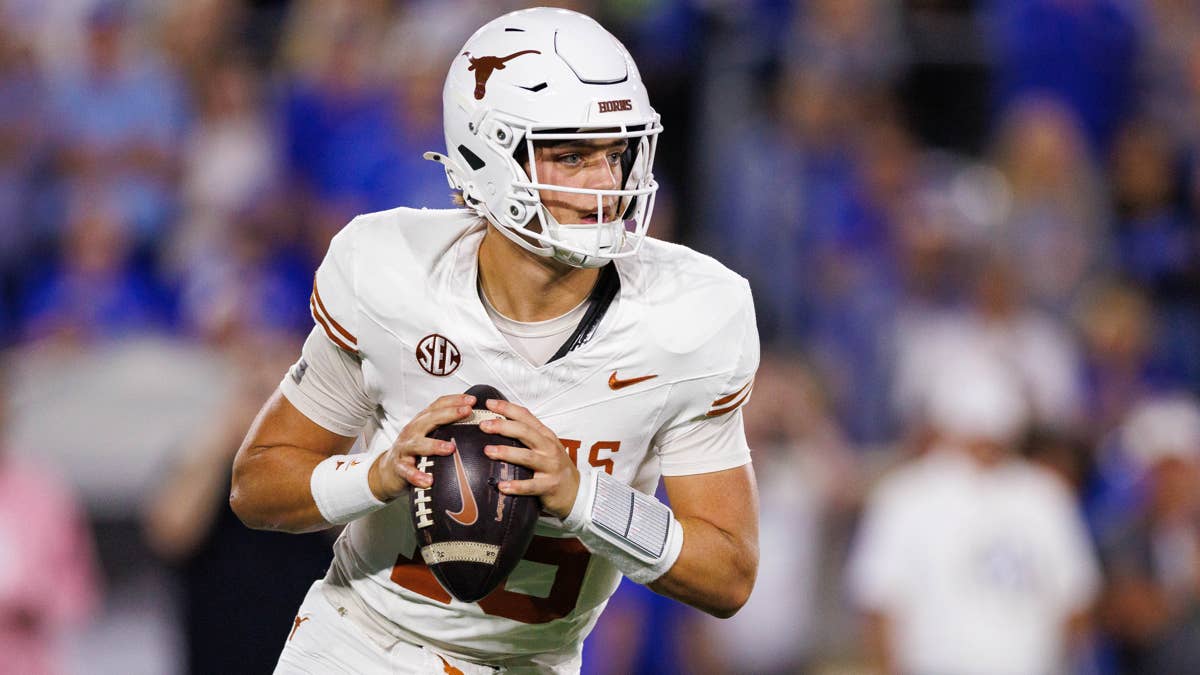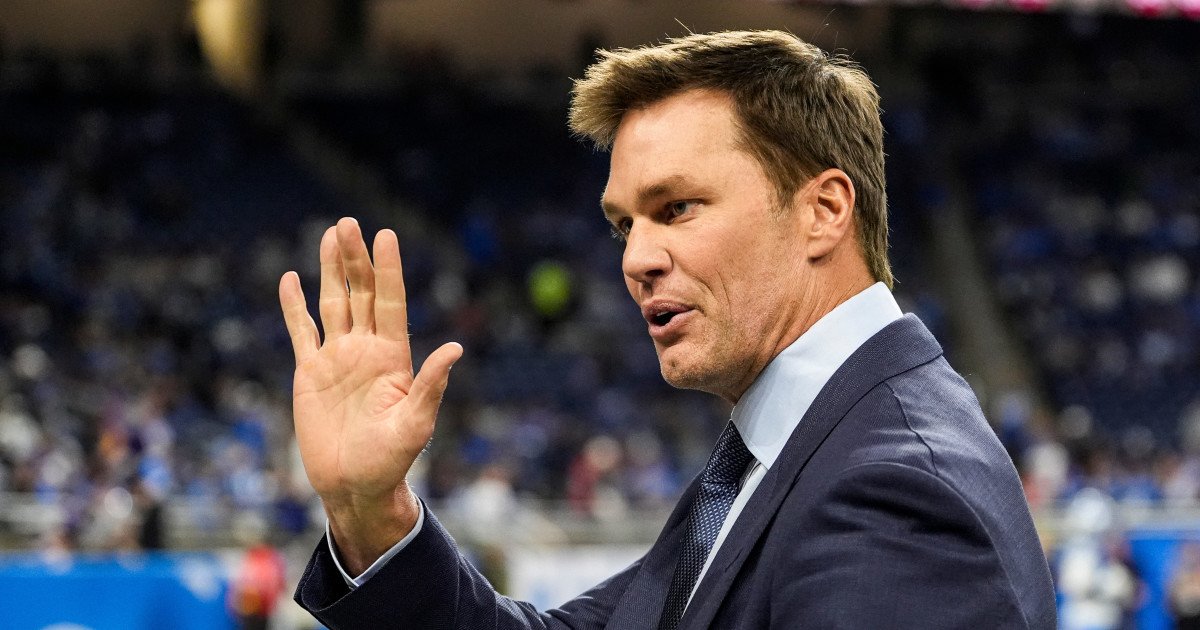
In a major pivot driven by global circumstances, a premier flag football spectacle has officially packed its bags and is heading stateside. Originally slated for Saudi Arabia, the Fanatics Flag Football Classic, a star-powered event fronted by Tom Brady, will now unfold under the sunny skies of Los Angeles. The decision to relocate was made amidst the ongoing conflict in the Middle East, prioritizing the safety of players, staff, and fans.
A Sudden Change of Scenery
With tensions rising overseas, organizers faced a clear-cut decision: postpone, cancel, or move. Choosing the latter, they've secured BMO Stadium in Los Angeles as the new venue. This 22,000-seat soccer cathedral, home to MLS's LAFC and the NWSL's Angel City FC, is no stranger to big moments. Interestingly, it's also the future home of flag football in the 2028 Summer Olympics, adding a layer of symbolic significance to this sudden venue shift.
Star Power on Display
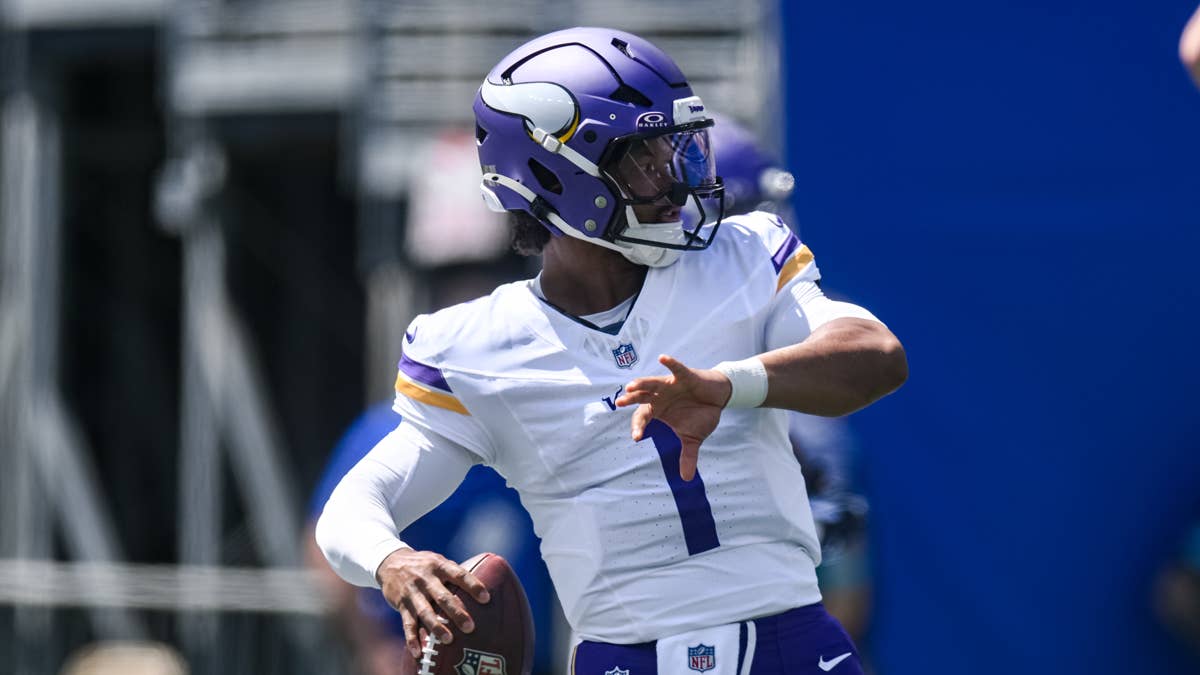
Despite the change in location, the on-field product promises to be electric. The tournament will feature two squads of current and former NFL luminaries squaring off against the official Team USA. The coaching lineup for Team USA is a veritable who's who of NFL minds, with Sean Payton, Kyle Shanahan, and Robert Saleh calling the shots. The player draft pool is equally dazzling, with names like Saquon Barkley, Odell Beckham Jr., Myles Garrett, and even Rob Gronkowski and Logan Paul in the mix, ensuring no shortage of highlight-reel plays.
This kind of high-profile event shift isn't entirely unprecedented in the sports world, as severe weather and other external factors often force leagues and organizers to adapt on the fly to protect their events and participants.
Brady's Long-Term Vision
For Tom Brady, this is far more than a one-off exhibition. The seven-time Super Bowl champion has framed the event as the beginning of a lasting legacy. "It's a multi-year commitment," Brady stated last fall. "Obviously, we're getting off to a good start... all the players that I've talked to are excited about playing." He directly connected the excitement to the sport's Olympic future, noting, "Obviously, with the Olympics coming up in 2028, I think it's all the NFL players' first exposure to it, and I didn't want to miss out on being a part of it."
This move underscores how global events can directly impact the sports calendar, much like how extreme weather patterns are increasingly forcing changes to game schedules and locations across the country.
Looking Ahead to LA and Beyond
The relocation to Los Angeles offers a unique opportunity. Not only does it provide a secure environment, but it also plants the flag football flag firmly on Olympic soil years ahead of the 2028 Games. It serves as a powerful preview and a statement of the sport's growing mainstream appeal. While the hope is for peace and stability in the Middle East, the show must—and will—go on in California.
This high-stakes pivot demonstrates the complex interplay between international sports and world affairs. As fans eagerly await the March 21st kickoff, the focus now shifts to the field at BMO Stadium, where athletic brilliance, rather than geopolitical concerns, will take center stage. For more on how major sports figures navigate high-profile decisions, you can read about Olympic Gold Medalist Amber Glenn's recent personal choice regarding a White House invitation.