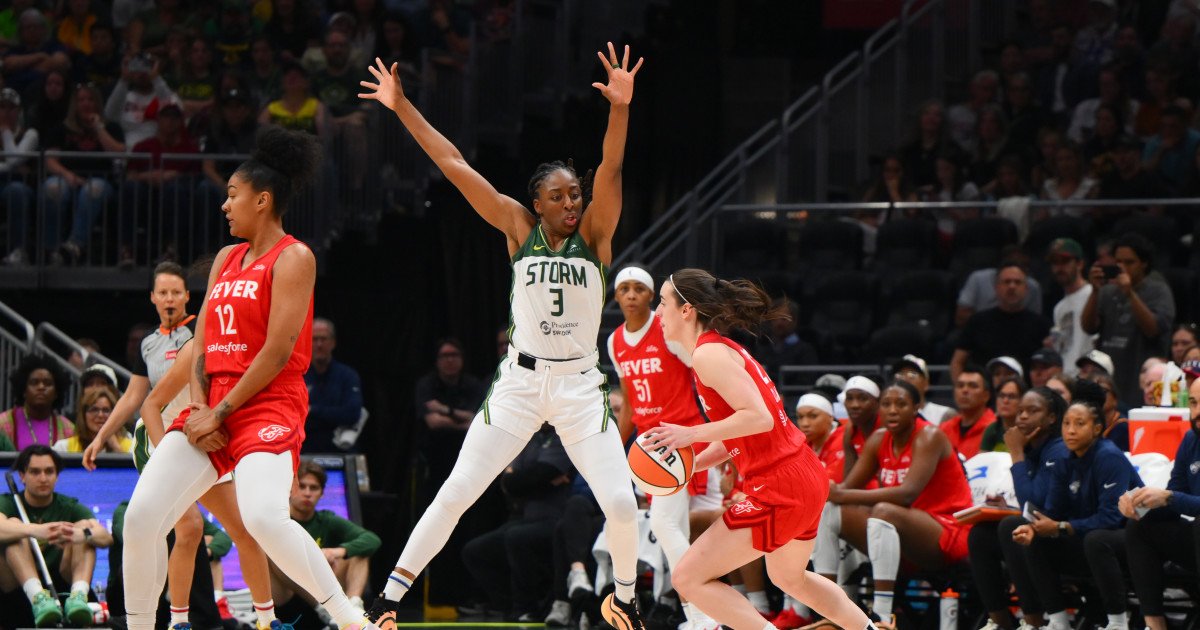
The clock is ticking for the WNBA and its players' union, with two major roadblocks now clearly defined in their high-stakes collective bargaining agreement negotiations. WNBPA President Nneka Ogwumike has pinpointed revenue sharing and player housing as the non-negotiable pillars that must be secured for a new deal to be reached.
"These are the foundational pieces we're fighting for," Ogwumike stated after a marathon session in Manhattan. "Securing a meaningful revenue share is about valuing our contribution to the league's growth, while ensuring proper housing is about respecting the athlete as a whole person. They are equally critical."
The Core Demands
At the heart of the standoff is the players' push for a significantly larger slice of the league's financial pie. As the WNBA's popularity soars, led by stars like Caitlin Clark, the union is adamant that the compensation model must evolve. The "big-ticket item," as Ogwumike called it, is a revenue-sharing structure that truly reflects the players' role in driving the sport forward.
Alongside economics, the quality and security of player housing has emerged as a surprisingly stubborn point of contention. The union argues that standardized, high-quality living arrangements are essential for player welfare and performance, signaling a shift in negotiations toward holistic support systems, not just salaries.
A Race Against Time
The bargaining table has seen a whirlwind of activity, with over 50 hours of discussions this week alone and at least 15 different proposals exchanged. The intensity underscores the urgency, as WNBA Commissioner Cathy Engelbert has set a hard deadline of Monday, March 16, to avoid disrupting the preseason schedule.
"We can maybe stretch things a day or two, but not much further before we have to ask if we can even open training camp," Engelbert warned, highlighting the tangible consequences of a prolonged stalemate. The entire preseason and key offseason events in April hang in the balance, putting immense pressure on both sides to find common ground. As seen in other leagues, like when NFL referee negotiations hit turbulence, last-minute deadlines can create high-pressure scenarios.
While WNBPA executive director Terri Carmichael Jackson confirmed agreements have been reached on "some things," the lack of a breakthrough on the core economic and housing issues leaves the process in a precarious state. The players have shown a united front, with stars like Clark previously advocating for direct involvement, a sentiment echoed in Clark's business call for face-to-face CBA negotiations.
What's at Stake
A failure to reach an agreement by the deadline would trigger a mandatory shutdown, throwing the highly anticipated 2024 season into chaos. With the league riding a wave of unprecedented interest, a work stoppage would be a devastating blow to its momentum.
The negotiations represent a pivotal moment for the WNBA. The players are seeking a transformative deal that matches the league's commercial ascent, while the league's ownership must balance growth with sustainability. The outcome will set the financial and operational template for women's professional basketball for years to come. This focus on foundational support mirrors the importance of stability seen in other sports, much like the emphasis on family-first decisions in an athlete's career.
All eyes are now on the negotiating room. With two clear, player-defined pillars on the table and a deadline measured in hours, the WNBA's immediate future hinges on whether both sides can bridge the gap on revenue and respect.