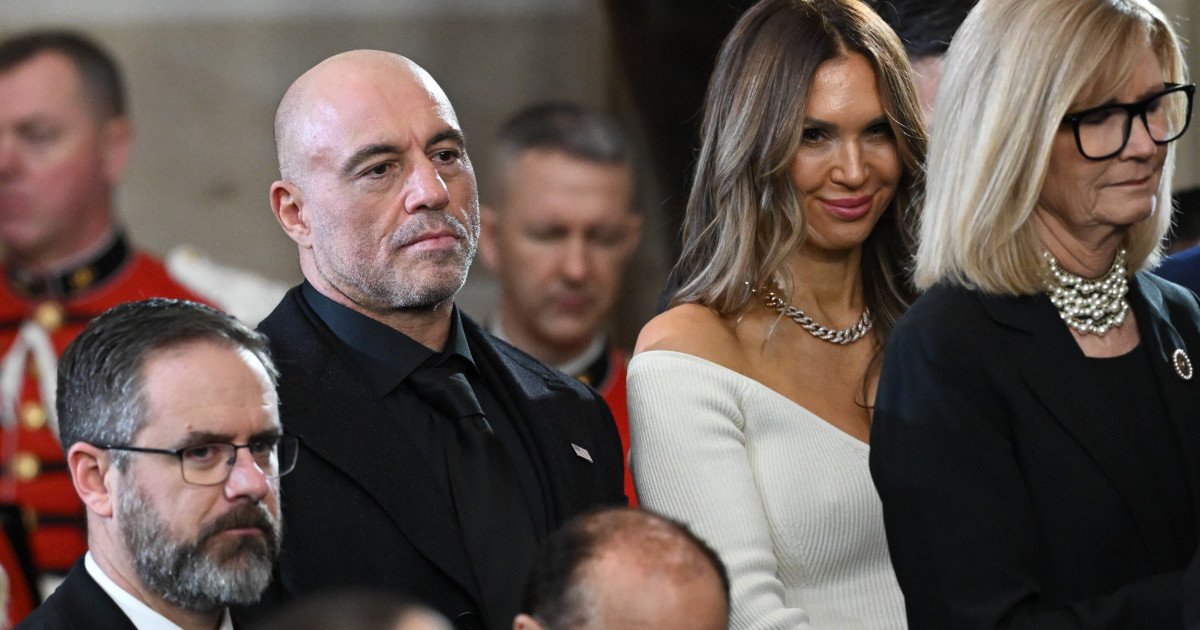
The political arena collided with the sports and entertainment world this week as the White House delivered an official response to controversial comments from podcast powerhouse Joe Rogan. The outspoken UFC commentator, who previously endorsed Donald Trump for the 2024 election, ignited a firestorm by suggesting the Iran conflict has caused a significant rift within the President's base.
Rogan's "Betrayal" Bombshell
During a recent episode of his massively popular show, Rogan didn't hold back. He argued that many Trump supporters are re-evaluating their allegiance because of the ongoing military engagement. "This is why a lot of people feel betrayed, right?" Rogan stated. "He campaigned on ending pointless wars, and now we're in one without a clear purpose." This sentiment strikes at the core of Trump's "America First" foreign policy promise, creating an unexpected challenge from a influential cultural figure.
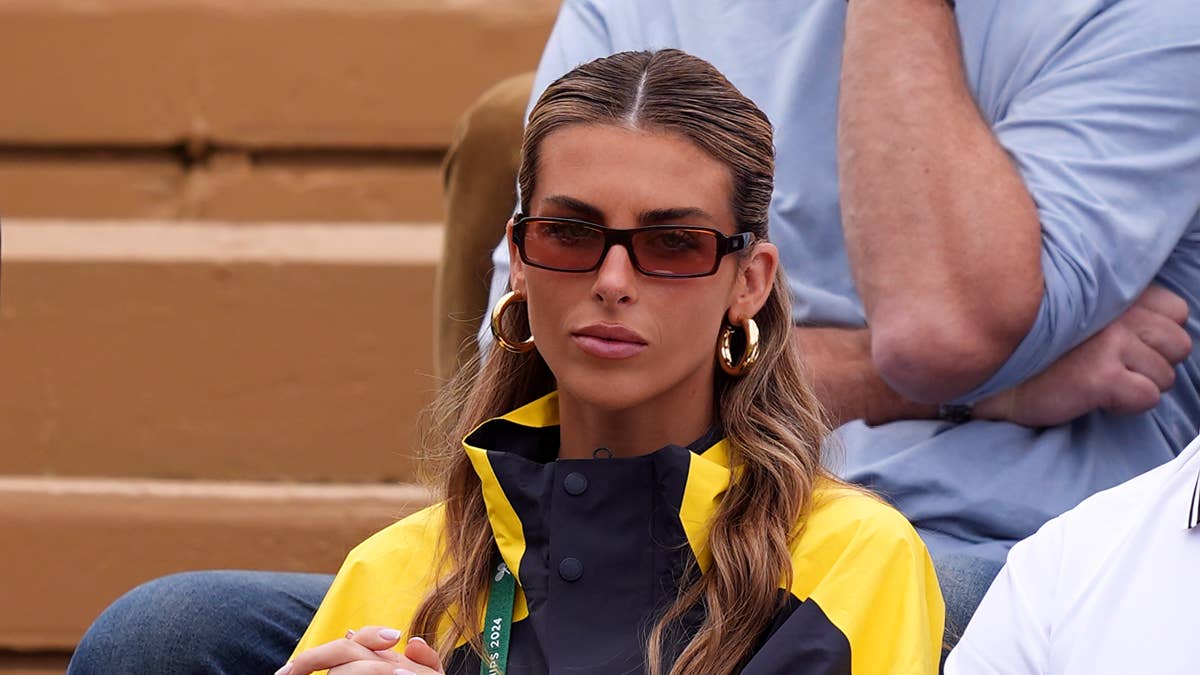
The podcaster doubled down, comparing current actions to past operations. He called the recent military behavior "nuts," specifically contrasting it with what he described as the "clean" capture of a foreign leader. Rogan lamented the seemingly endless cycle of conflict, a viewpoint that resonates with a segment of the population weary of foreign entanglements.
The White House Counterpunch
Unsurprised but swift, the Trump administration mounted a vigorous defense. White House spokesperson Anna Kelly, in a statement to NBC News, framed the President's actions as essential and courageous. "President Trump is protecting America from the deadly threat of the Iranian regime—that's the ultimate America First policy," Kelly asserted.
She emphasized a unified administration effort to dismantle Iran's dangerous capabilities, from nuclear ambitions to proxy warfare. The statement took a historical jab, noting that while previous leaders talked for decades, "President Trump had the courage to finally act." The administration's message was clear: this is not a betrayal of promises, but their decisive fulfillment.
A Clash of Narratives
This exchange highlights the growing influence of figures from outside traditional politics, like Rogan, in shaping national discourse. When a voice as prominent in combat sports and popular culture as Joe Rogan challenges a sitting president, it creates a unique cultural moment. It's a reminder of how sports-adjacent media personalities can sway public opinion on issues far beyond the arena or the octagon.
The tension also reflects a broader debate about America's role in global conflicts. Rogan's critique taps into a populist skepticism about foreign wars, a sentiment Trump himself harnessed during his initial campaign. The White House's response attempts to reclaim that narrative, positioning the Iran strategy as a necessary, defensive action rather than an offensive quagmire.
This isn't the first time athletic or entertainment figures have clashed with political authority. From Olympic athletes declining invitations to fighters battling promoters over pay, the intersection of sports, culture, and politics remains volatile. Just as Ronda Rousey has unleashed fury on UFC leadership, Rogan is directing his platform toward the highest office.
As the 2024 election cycle heats up, endorsements and criticisms from non-political icons will carry significant weight. Rogan's comments suggest that maintaining the coalition that brought Trump to power may be more complex than anticipated, with issues like war and peace potentially dividing his supporters. The White House's sharp rebuttal indicates they are taking this challenge from within their own broad tent very seriously.
For now, the battle of narratives continues. Rogan stands by his assessment of betrayal, while the administration champions its actions as patriotic necessity. This clash between a podcasting titan and the presidential press office underscores how modern political debates are fought across every media platform, from the White House briefing room to the world's most downloaded podcast.