The tradition of championship teams visiting the White House is facing a new wave of individual choice, as another U.S. Winter Olympics star has publicly opted out. Following their triumphant gold medal performances, several American athletes are making personal decisions about the customary post-victory visit, with figure skater Amber Glenn becoming the latest to decline.
A Stand for Personal Choice
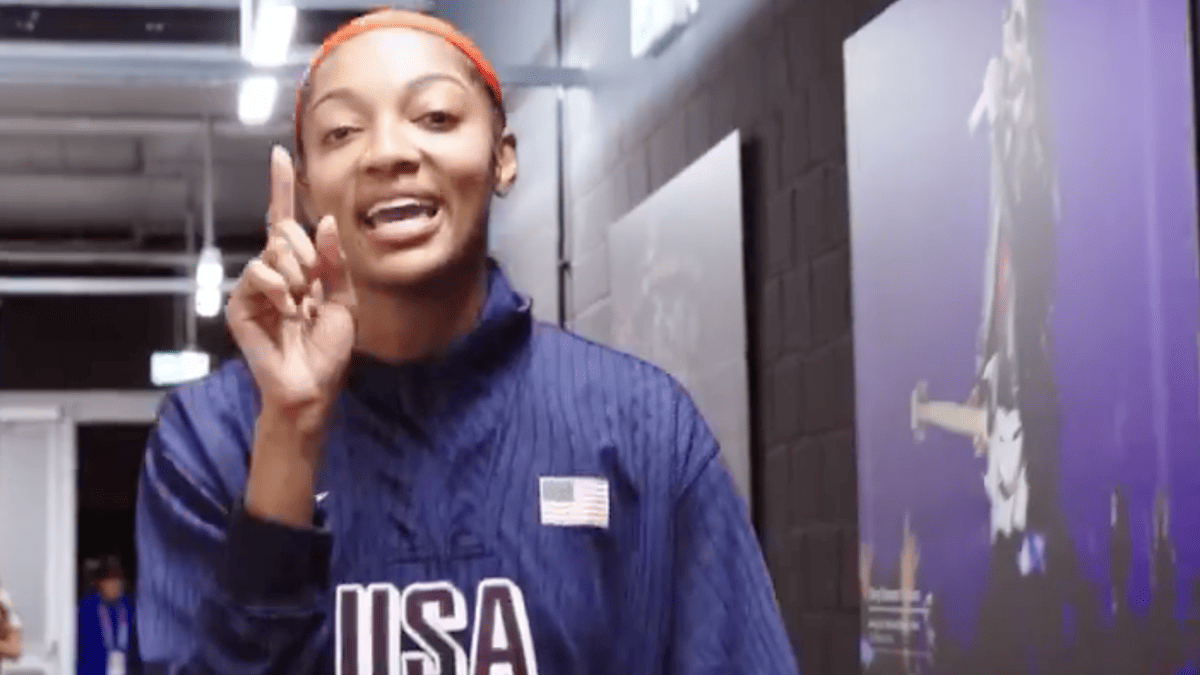
Amber Glenn, who helped secure a gold medal for the United States in figure skating at the Winter Games, made her stance clear during a recent public appearance. "I'm electing not to either," Glenn stated, referencing other athletes who have made similar choices. She emphasized the fundamental right of choice for every individual athlete, stating, "It is our right to be able to choose what we do and don't endorse, and I think it is a decision that each individual has the right to make."
Her decision follows that of the U.S. women's hockey team, which also received an invitation after their thrilling gold medal win over Canada. The team expressed gratitude for the recognition but cited "previously scheduled academic and professional commitments" as preventing the visit. They released a statement saying they were "honored to be included and are grateful for the acknowledgment."
Facing the Backlash
Choosing to utilize her platform has come with a cost for Glenn. The athlete revealed she has faced significant negative feedback for speaking her mind. "When I chose to utilize one of the amazing things about the United States of America – freedom of speech – to convey how I feel as an athlete competing for Team USA in a troubling time for many Americans, I am now receiving a scary amount of hate/threats for simply using my voice," she shared.
This highlights the intense scrutiny and polarized reactions that often accompany an athlete's decision to engage—or not engage—with political traditions. The debate over these visits is not new in the sports world, as seen in discussions like Barkley's White House Stance Sparks Fiery Debate Among Sports Fans, where public figures have weighed in with differing opinions.
More Than Just a Photo Op
For many athletes, the decision to accept or decline a White House invitation is deeply personal, extending beyond a simple celebratory photo opportunity. It can represent an endorsement of a particular administration or its policies. Glenn's comments suggest her choice is a reflection of her personal values and her perception of the current political climate, which she described as "a troubling time for many Americans."
This personal calculus is becoming more common, as athletes increasingly view their public platforms as extensions of their identity. Just as Malinin Sets Record Straight about his personal life post-Olympics, athletes like Glenn are setting the record straight on their political and personal stances, defining their careers on their own terms.
A Tradition in Transition
The White House visit has long been a symbolic capstone to a championship season, a moment where athletic excellence meets national recognition. However, that tradition is now frequently punctuated by notable absences, turning the event into a statement in itself. The conversation has shifted from being solely about celebration to also being about conscience and conviction.
Ultimately, Glenn and others who have made similar choices argue for respect and understanding. "Ultimately, no athlete should be criticized for their decision," the sentiment echoes. "It's a personal one for everyone and it should be respected." As the landscape of sports and social commentary continues to evolve, the choice of whether to walk through the doors of the White House remains a powerful, and personal, declaration.