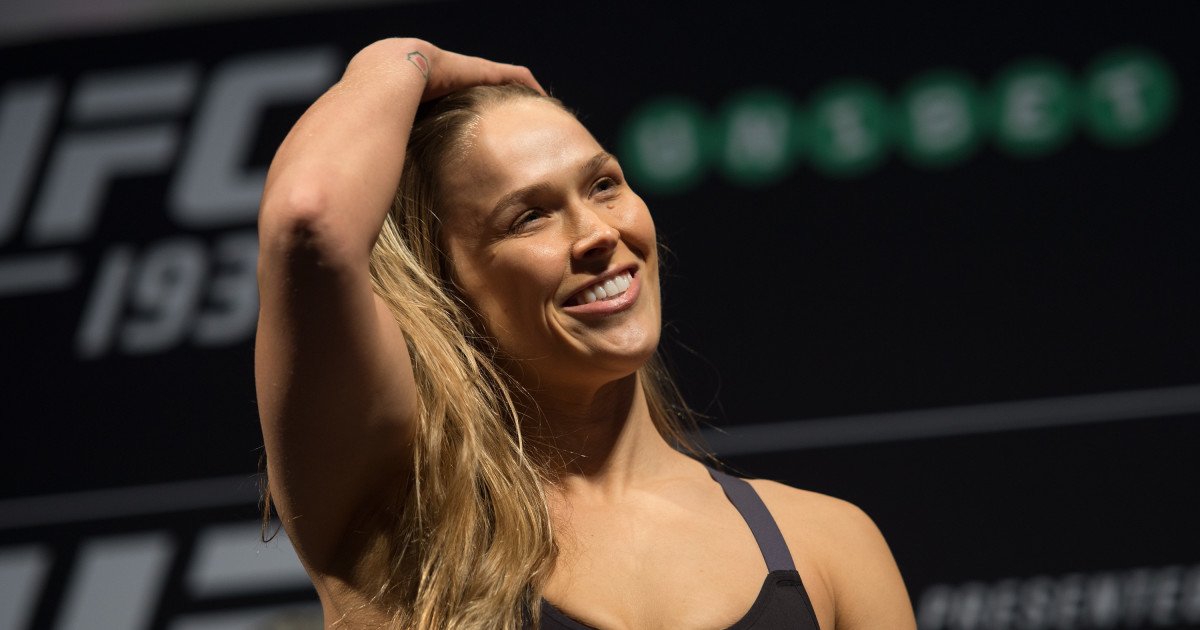
The gloves are off, and Ronda Rousey is swinging for the fences—but not inside the UFC's Octagon. The former women's bantamweight queen, who once carried the promotion to new heights, has turned her formidable focus into a blistering public indictment of her former employer and its president, Dana White. As she prepares for a blockbuster MMA return against Gina Carano under the Most Valuable Promotions banner, Rousey is fighting a different battle: a war of words over fighter compensation.
From Top Star to Vocal Critic
During a press conference for her upcoming fight, Rousey was asked about the UFC's activities and didn't hold back. She transformed the spotlight from her own comeback into a platform to champion fighter pay, delivering a passionate and pointed critique that left no room for misunderstanding. "It used to be that the UFC was the best place in combat sports to make a living," Rousey declared. "Now, it's one of the worst."
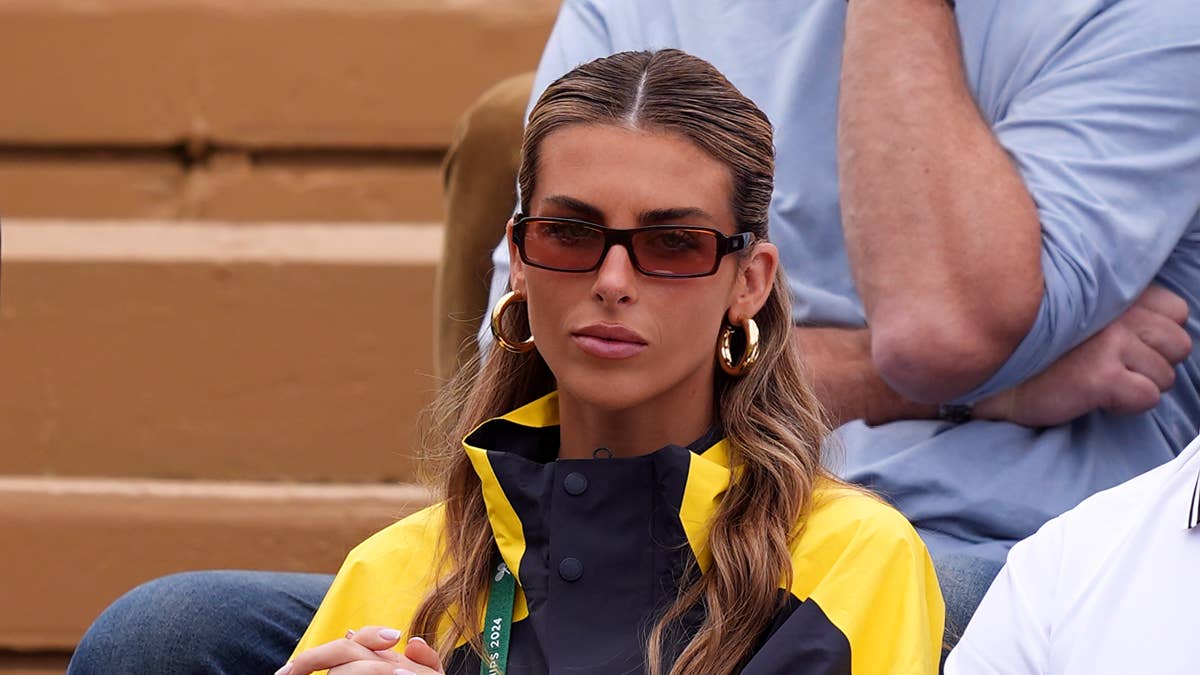
Her argument was stark and personal. Rousey asserted that many fighters are "living poverty level" while competing full-time, a situation she finds unconscionable for a company of the UFC's wealth. She pointed to the exodus of top talent and the side hustles champions resort to as evidence of a broken system. "It's why their champions are selling pictures on OnlyFans," she stated bluntly. "A lot of them at the ground level can't even support their families."
The Billion-Dollar Disconnect
Rousey anchored her criticism in stark financials, highlighting the UFC's recent multi-billion dollar valuation. "This company just got $7.7 billion," she noted. "There's no reason they can't afford to pay their athletes at least a living wage." She argued that the current pay scale doesn't just hurt fighters—it bleeds the sport of future talent. Why would a promising young athlete choose MMA, she questioned, when they could pursue football, boxing, or any other career with better financial prospects?
"They're bleeding talent because of their short-term greed," Rousey charged, accusing UFC leadership of prioritizing shareholders over the sport's long-term health. "They're not thinking about their responsibility to be stewards of the future of the sport." This fiery commentary echoes the frustrations of other stars, like Jon Jones, who has publicly clashed with the promotion over his contract.
A Champion's Journey Comes Full Circle
Rousey's authority on the subject is hard to challenge. An Olympic bronze medalist in judo, she used her elite skills to revolutionize women's MMA, compiling a perfect 12-0 record and becoming the UFC's inaugural women's champion. Her dominance made her a global superstar and a cornerstone of the promotion's growth. However, high-profile losses to Holly Holm and Amanda Nunes led to her departure from the sport a decade ago, with stints in WWE and on the independent circuit following.
Now, her comeback with Most Valuable Promotions—and her vocal advocacy—positions her as a potential leader in a growing movement for fighter rights. Her critique arrives amid broader debates about athlete compensation and treatment across sports, a topic that has even touched figures in other arenas, as seen when prominent coaches face scrutiny over their financial stances.
More Than Just Talk
Rousey's words carry the weight of experience and a clear alternative vision. By choosing to fight with Most Valuable Promotions, she is putting her career where her mouth is, supporting a different model for the sport. Her comments suggest this fight is about more than a rivalry with Gina Carano; it's a statement about the ecosystem of MMA itself.
As the buzz builds for her return—fueled even by nostalgic fan moments circulating online—Rousey has ensured the conversation will also be about the fighters in the trenches. Whether this sparks a wider reckoning within the UFC remains to be seen, but one thing is certain: Ronda Rousey is back, and she's fighting for more than just a win.