College football is already in the midst of a seismic shift, but the White House just dropped an even bigger bombshell. A new proposal from the Trump administration outlines four major changes that would fundamentally alter the landscape of the sport—from capping coach salaries to creating a whole new playoff system for the Group of Six conferences.
The Four Pillars of Change
According to details summarized by Dan Furman, the plan includes: salary caps for coaches and administrators, pooled media rights across all conferences, the creation of a new governing body to replace the NCAA, and a dedicated playoff for the Group of Six conferences. These measures aim to rein in the chaos that has defined college football in recent years.
Salary Caps and a New Power Structure
The proposal would establish a College Sports Reform Task Force to replace the NCAA with a more powerful authority, complete with antitrust exemption. This new body would enforce salary caps on coaches and administrators, rewrite eligibility and transfer rules, and crack down on attempts to circumvent the cap. The idea is to level the playing field and curb the spending sprees that have turned college football into an arms race.
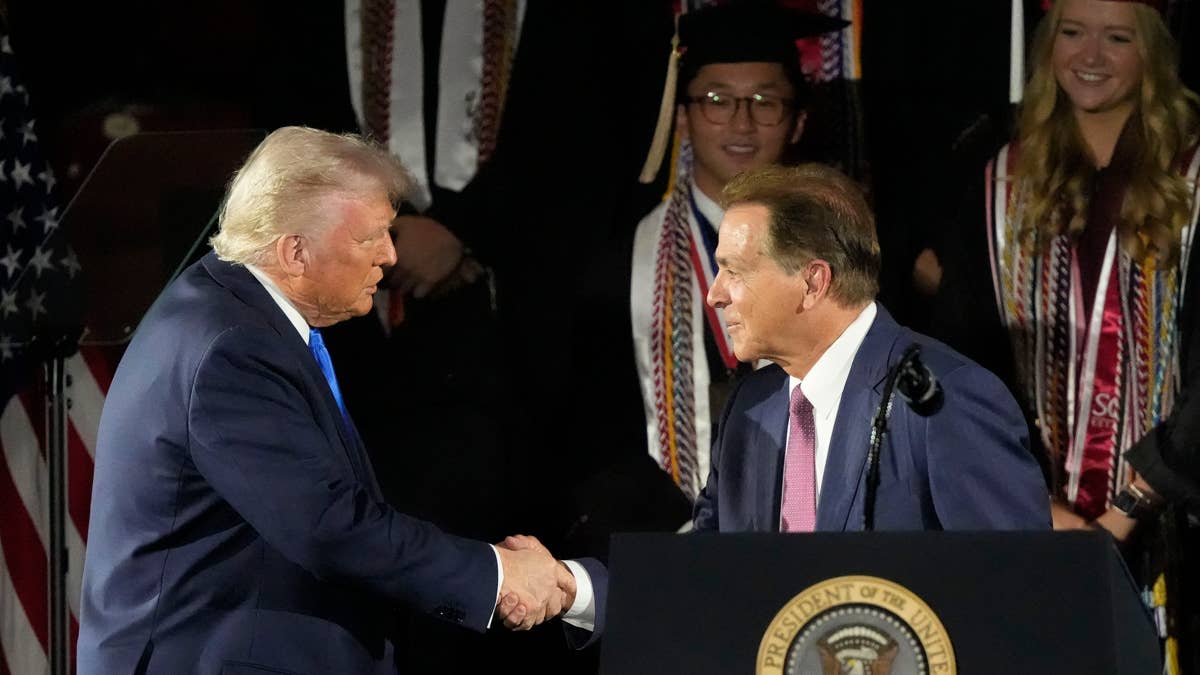
Nick Saban, the legendary former Alabama coach, was reportedly in the room during the drafting of the proposal, alongside NBA Commissioner Adam Silver, former Secretary of State Condoleezza Rice, Florida Governor Ron DeSantis, and a host of university presidents and conference commissioners. Their involvement suggests a broad coalition of stakeholders, but whether that translates into political will is another question.
Legal and Logistical Hurdles
The proposal faces an uphill battle on multiple fronts. Legal experts question whether the federal government has the authority to impose such sweeping changes on college athletics. Fans on social media have expressed deep skepticism, with one user calling it "an absurd abuse of power" and another pointing out that pooling media rights would likely face fierce opposition from powerhouse conferences like the Big Ten and SEC.
One fan argued, "If you pool media rights, the Group of Six will no longer be the Group of Six because teams would be on a fairly level playing field." Another simply said, "100% no-go on pooled media rights across conferences." The sentiment is clear: this proposal has a long way to go before it becomes reality.
What’s Next?
For now, the proposal remains just that—a proposal. The administration will need to navigate a minefield of legal challenges, political opposition, and practical logistics to turn these ideas into actual policy. In the meantime, the college football world continues to evolve, with debates raging over issues like rivalries that have lost their spark and the ongoing tug-of-war between tradition and modernization.
As one observer noted, "By the time things are settled, yet another college football season is likely to have gone by." Whether the White House can move fast enough to make a difference remains to be seen.