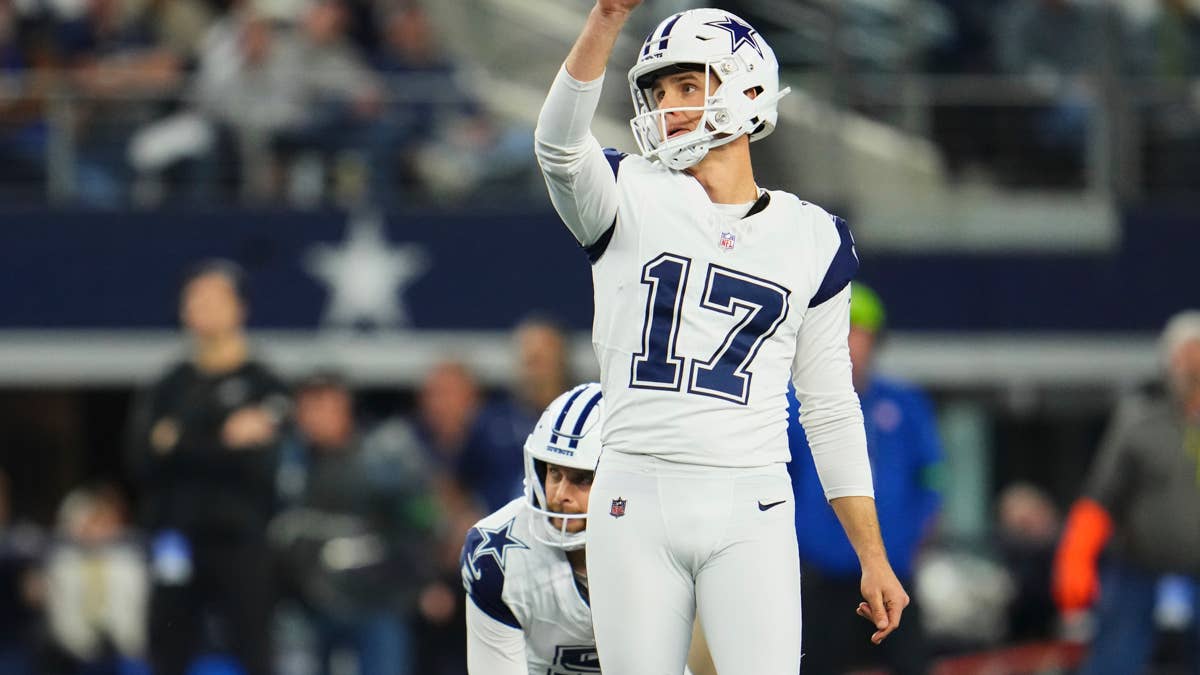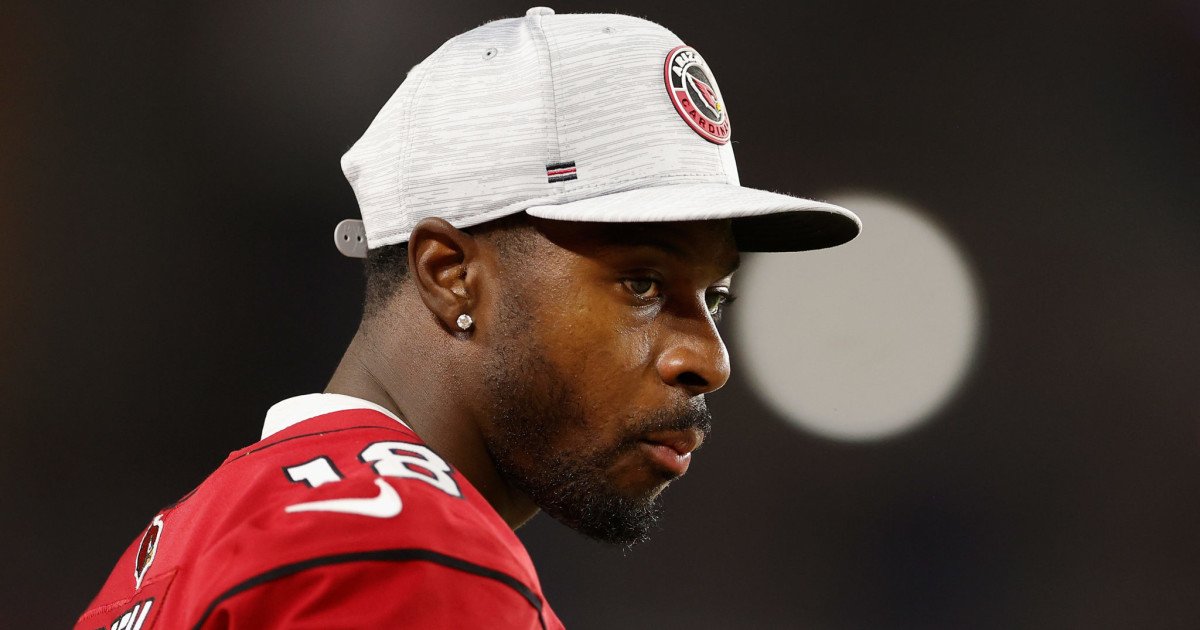
The NFL's approach to player mental health is facing a powerful and personal challenge from one of its former stars. A.J. Green, the revered former Cincinnati Bengals wide receiver, is demanding the league enact immediate, concrete policy changes to protect its athletes, issuing a sobering warning that without action, more tragedies are inevitable.
Green's urgent call to action comes in the devastating wake of the suicide of wide receiver Rondale Moore, a former teammate for two seasons. Moore's death last month, after a battle with depression, has become a catalyst for Green to speak out with a specific, actionable plan he believes the league must adopt.

A Concrete Proposal for Change
In a powerful article for The Players Tribune, Green moved beyond generalities and proposed a clear NFL mandate. He argues that any player sustaining a major injury should be required to see an independent mental health counselor as a standard part of their rehabilitation process. Green takes the proposal a critical step further, suggesting that a player who suffers a second major injury should be mandated to continue counseling for an extended period, even after their physical rehab is complete.
"To me there's a lot that could still be improved in the NFL, as far as how the league is helping its players with their mental health," Green wrote. He sees these mandatory steps as a foundational change, moving support from an optional resource to an integrated component of player care.
Fighting the Unspoken Stigma
Green's advocacy goes deeper than policy paperwork. He directly confronts what he describes as a pervasive, unspoken stigma within NFL front offices, where mental health issues are still secretly viewed as a "red flag" that can jeopardize a player's career and earnings.
"No one in any front office will ever say it out loud. No scout is ever gonna put it in a scouting report. But that's how it's viewed in this league by a lot of people," Green stated. He warns this culture creates a dangerous incentive for players to hide their struggles. "We're creating an incentive for them to lie about their mental health. And if players lie... then they're going to feel shame... and they're not going to get the help they need."
The heartbreaking consequence of this cycle, Green stresses, is that "Stories like Rondale's will probably keep happening." His message is a stark ultimatum to league leadership: change the culture and the policies, or prepare for more loss.
Moore's career, marked by promise and cut short by adversity, underscores the urgency. A dynamic playmaker who spent three seasons with the Arizona Cardinals, his path was derailed by a series of significant injuries after a trade to Atlanta and later with the Minnesota Vikings, where he suffered a severe leg injury last August.
Green's powerful stance adds to a growing chorus of concern for well-being in sports, following other recent tragedies like the sudden loss of a young Texas coaching star and the death of former Syracuse QB Rex Culpepper. It also intersects with broader conversations about the NFL's role, such as the public petition demanding the league address geopolitical issues.
As a respected veteran and seven-time Pro Bowler, Green's voice carries significant weight. He is not merely suggesting improvement but demanding mandated, structural change. The NFL now faces a clear challenge from one of its own: prove that player mental health is a priority through policy, not just publicity, or risk failing a generation of athletes.