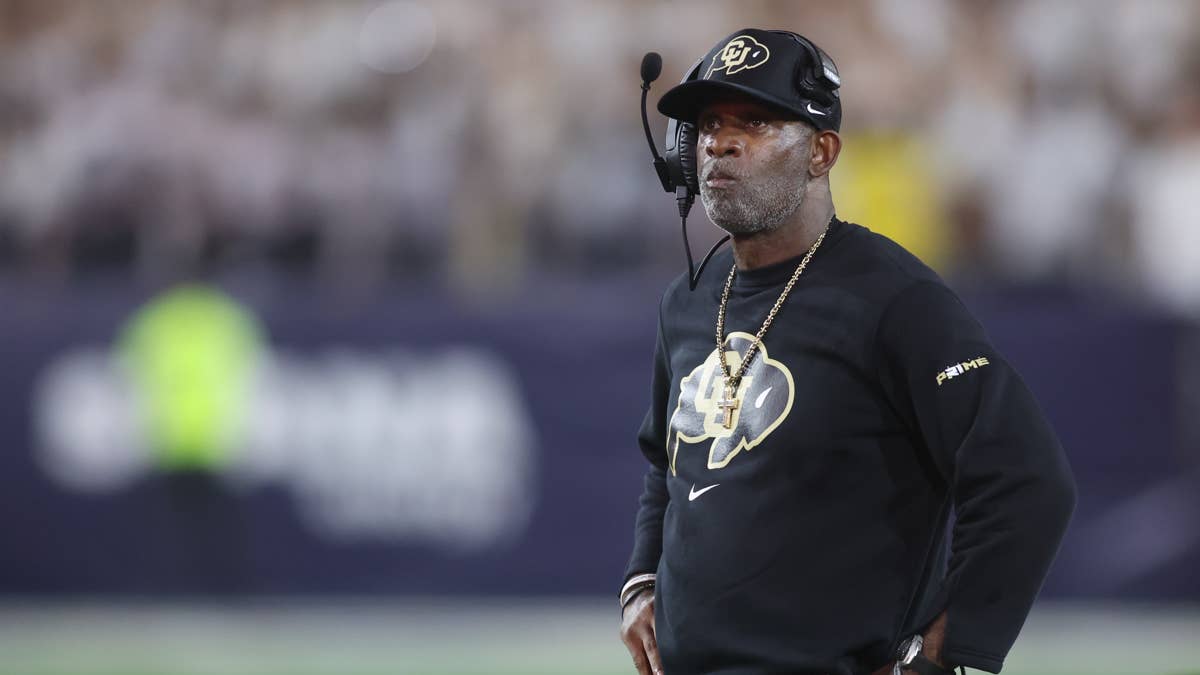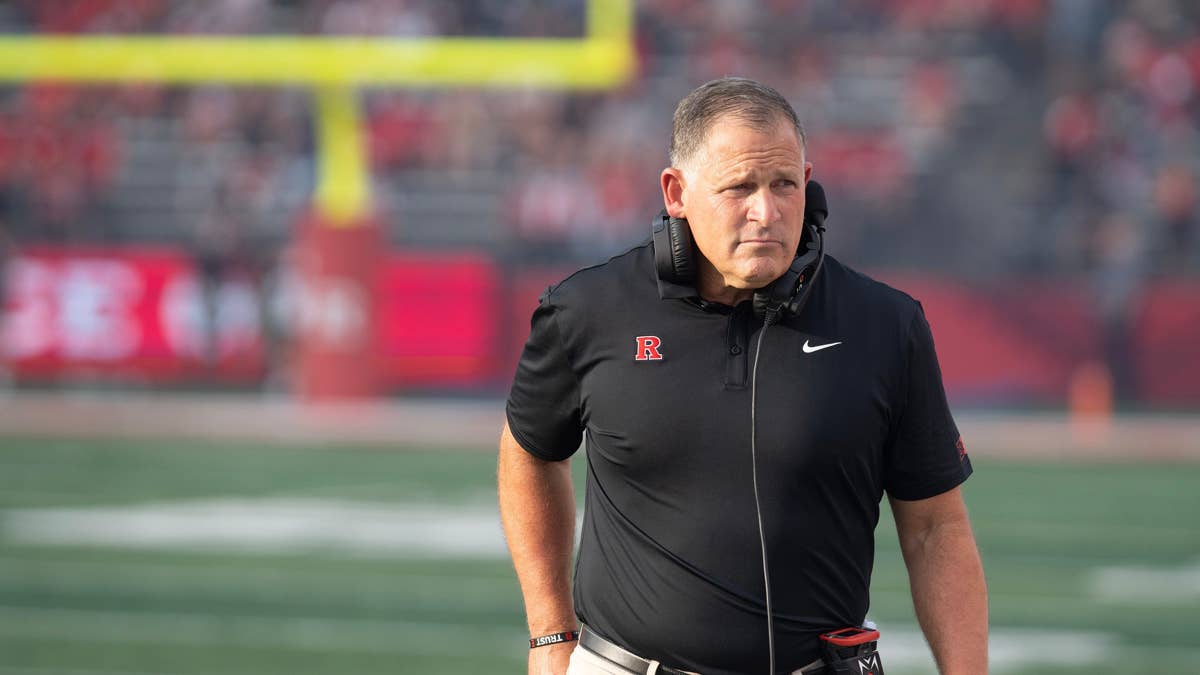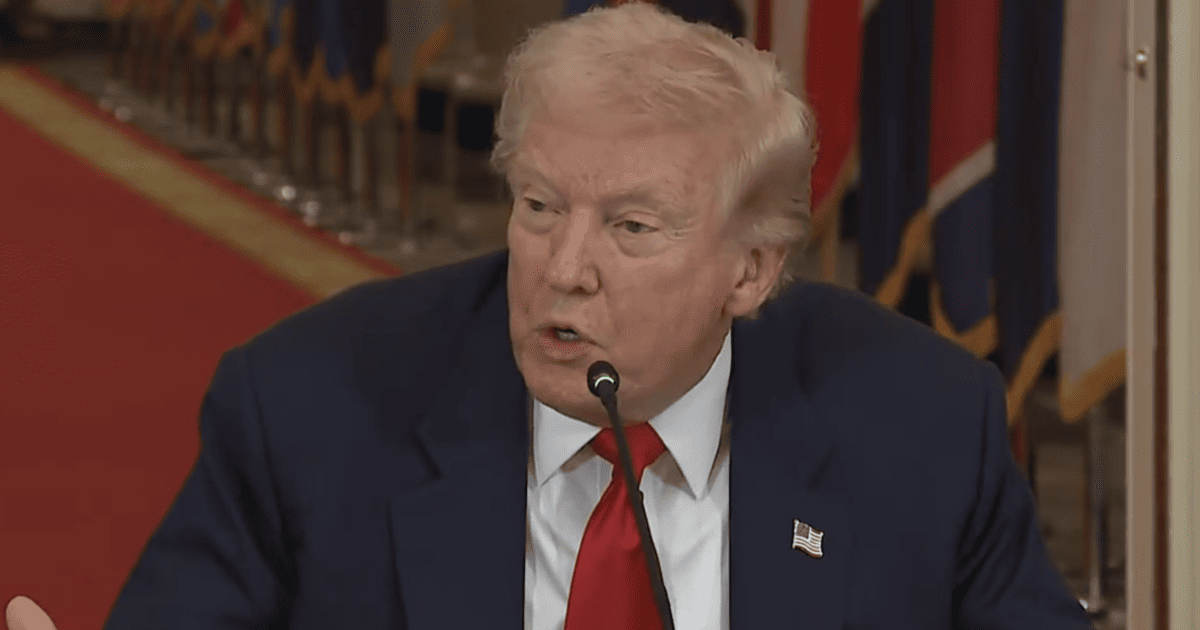
The focus of Friday's high-profile "Saving College Sports" summit at the White House was supposed to be policy, but a moment of pointed banter between President Donald Trump and a reporter quickly became the main event. As coaching titans like Urban Meyer and Nick Saban looked on, the discussion pivoted from name, image, and likeness (NIL) reform to a personal—and very public—exchange that lit up social media.
A Viral Interruption
While fielding questions, conservative talk show host John Fredericks prefaced his query by mentioning his son, a relief pitcher for the University of Maryland. "As you know, my son Joe is a high-level D-1 athlete," Fredericks began. Trump immediately interjected, "How would I know that? He said, 'As you know,' I don’t even know who the guy is." The blunt retort drew mixed reactions from the room and instantly spread across platforms like wildfire.
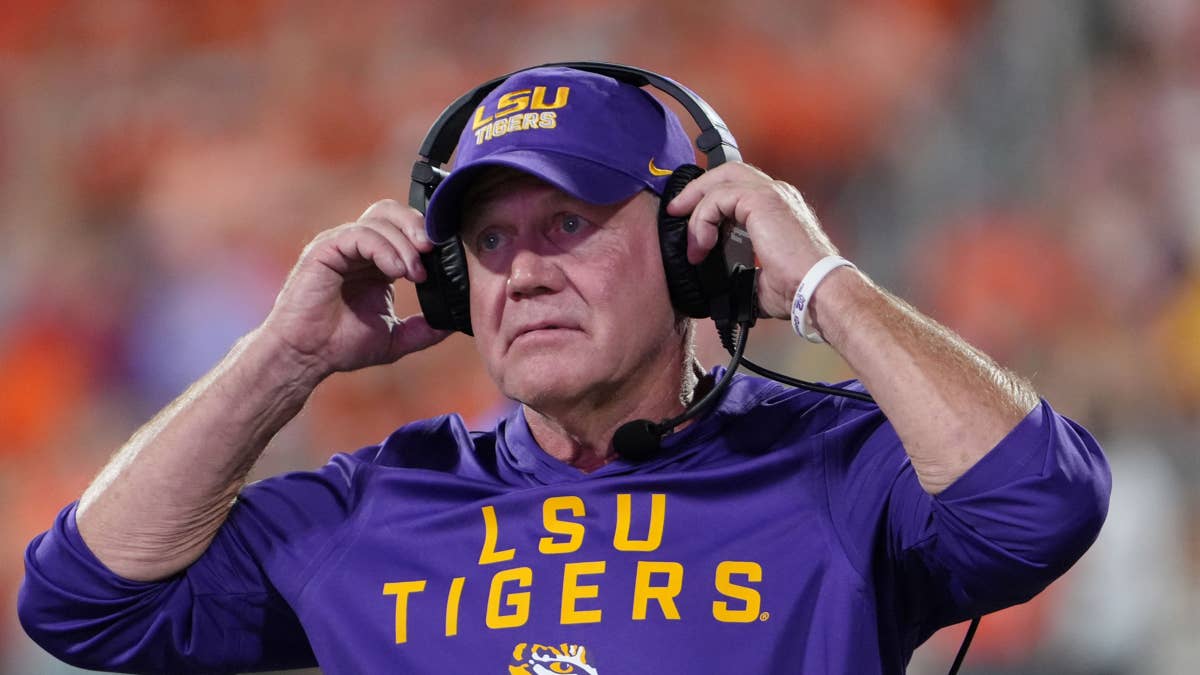
The moment highlighted Trump's signature, unscripted style, with some observers calling it a classic deflection tactic. "Sometimes, you just have to get back to basics when you’re in a slump, and humiliating reporters on a national stage is Trump’s bread and butter," wrote one commentator. Online, debate raged between those who saw it as an unnecessary put-down and others who argued the reporter was grandstanding. This kind of fiery, personal clash is reminiscent of other high-profile sports feuds, like Trump's surprising reversal on Alex Rodriguez.
The Policy Promise Behind the Punchline
Beyond the viral soundbite, the roundtable served as a platform for a significant announcement. Seeking to address the chaotic NIL landscape that has transformed college sports, Trump declared he would sign a sweeping executive order within one week. "I will have an executive order within one week, and it will be very all-encompassing," he stated, via ESPN. "And we’re going to put it forward, and we’re going to get sued, and we’re going to see how it plays."
He boldly claimed the order would "solve every problem in this room," signaling a direct federal intervention into an area traditionally governed by the NCAA and states. This move, detailed further in our report on Trump's vow to reshape college sports, promises to be a legal lightning rod and could fundamentally alter how athletes profit from their fame.
Coaching Legends in the Room
The substantive discussion featured some of the most influential figures in college athletics history. Alongside NCAA president Charlie Baker, the guest list included former Ohio State coach Urban Meyer and former Alabama legend Nick Saban, whose recent retirement marked the end of an era. Their presence underscored the gravity of the issues at hand, from transfer portal volatility to the competitive balance concerns stemming from NIL collectives.
Trump has frequently aligned himself with sports icons, having previously honored figures like the late Lou Holtz. This roundtable continued that pattern, leveraging the credibility of these coaches to bolster the administration's focus on sports policy.
Social Media Splits the Upright
Reaction to the reporter exchange was instantly polarized. One social media user defended Trump, stating, "Well, he is not wrong. How is he supposed to know every detail about your life?" Others found the remark needlessly demeaning. "Belittling a man who has a successful son is not a badge of honor," argued another. The incident served as a cultural flashpoint, much like when the Swift family's political stance resurfaced after a viral Travis Kelce moment.
Whether seen as a witty takedown or a petty jab, the moment guaranteed the roundtable would be discussed far beyond policy circles. It reinforced how sports, politics, and media spectacle are increasingly intertwined in the modern era.
An Uncertain Future for College Athletics
The promised executive order now looms as the next major chapter. If enacted, it will immediately face legal challenges, as Trump himself anticipates. The central question remains: can a federal framework bring order to the NIL chaos, or will it create more complexity? For coaches, administrators, and athletes, the coming weeks could redefine the rules of the game.
While the viral clash provided Friday's fireworks, the long-term impact of the summit will be determined in courtrooms and locker rooms. As the sports world waits for the official order, one thing is clear: the debate over the soul and structure of college sports is now center stage at the highest level of government.