A Presidential Play That Could Cost College Athletes Millions
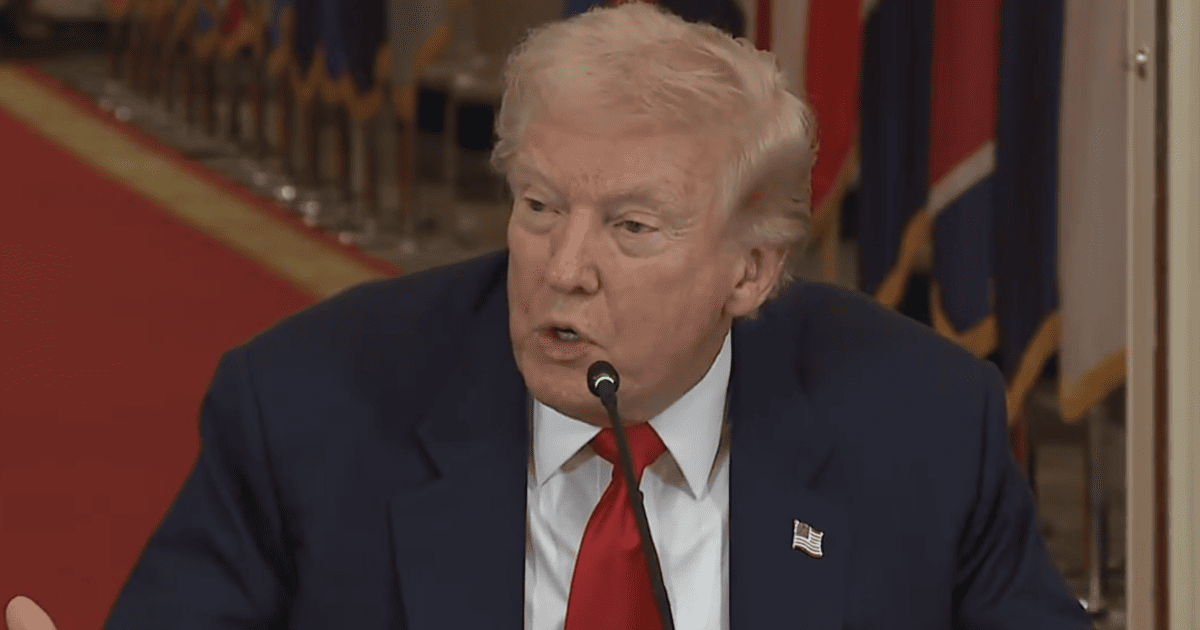
The landscape of college athletics is bracing for a seismic shift from the White House. President Donald Trump has announced his intention to issue a sweeping executive order aimed at overhauling the current system, a move that insiders fear could dismantle the hard-won financial freedoms athletes have gained in recent years.
In a statement that mixed bold promises with legal realism, Trump declared, "I will have an executive order within one week, and it will be very all-encompassing. We're going to put it forward, and we're going to get sued, and we're going to see how it plays, OK... We will get sued. That's the only thing I know for sure." This admission of impending legal battles underscores the controversial nature of the proposed changes.
The Target: Name, Image, and Likeness
While details remain under wraps, the President's past comments and the analysis of experts like Ross Dellenger point toward a clear objective: rolling back the clock to a time before Name, Image, and Likeness (NIL) policies transformed the college game. This would mean stripping away the rights that currently allow star quarterbacks, standout point guards, and social media-savvy athletes to secure lucrative endorsement deals, sometimes worth seven figures annually.
The potential reversal strikes at the heart of a new era in amateur sports. For years, athletes generated billions for their schools and the NCAA without direct compensation. NIL rules finally allowed them to profit from their own fame. A return to a pre-NIL model wouldn't just curb future earnings; it would actively dismantle an entire economy that has empowered a generation of young athletes.
More Than Just Money on the Line
The threat extends beyond bank accounts. The modern transfer portal, which grants athletes unprecedented freedom to move between programs, is also believed to be in the crosshairs. This one-two punch—limiting earnings and restricting mobility—would represent the most significant pullback of athlete rights in decades, centralizing power back with institutions and conferences. It's a development that has many in the sports world deeply concerned, as highlighted in related coverage of Trump's recent focus on college sports issues.
Reaction from the athlete community is predictably anxious. "Something needs to change with the current model, of course," acknowledges one sports analyst, "but college athletes don't want to see all the progress that they have made with Name, Image and Likeness go away in a significant fashion." The current model, while imperfect, is viewed by players as a foundational step toward fairness.
The President's push adds another volatile layer to the already complex world of sports and politics. It follows a pattern of high-profile intersections, such as the controversy detailed in Trump's Golf Cap Sparks Outrage at Solemn Military Ceremony, where athletic apparel clashed with official protocol. Now, the arena is policy, and the stakes are the livelihoods of thousands of student-athletes.
What comes next is a guaranteed legal showdown. The executive order, once unveiled, will face immediate challenges in court from athlete advocacy groups, likely the NCAA, and potentially even states with pro-NIL laws. The President's own prediction of lawsuits seems to be the one certainty in this unfolding drama.
For now, college athletes across the nation are left in a holding pattern. The promise of a week-long timeline means uncertainty hangs over bowl game preparations, offseason training, and recruitment. The hope, for many, is that a solution can be found that addresses the chaos in the college sports market without erasing the fundamental rights athletes now hold. The coming days will determine if the goal is reform or a full-scale reversal.