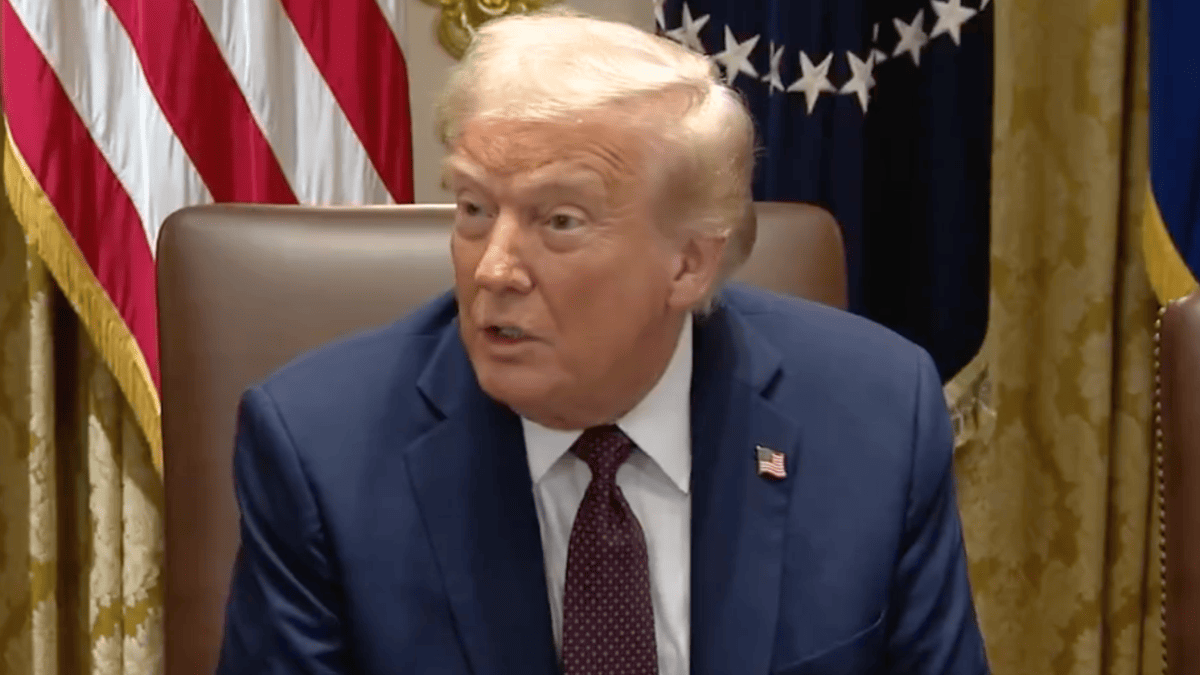
In a surprising collision of sports and politics, former President Donald Trump has publicly taken aim at former NCAA swimming standout Riley Gaines. The exchange, which played out across social media and interviews this week, highlights how athletes increasingly find themselves in the political spotlight.
The Spark: A Controversial Post
The drama began when Trump, 79, shared and later deleted a social media image that many interpreted as depicting him in a messianic light, resembling Jesus Christ. The post drew immediate criticism from various quarters, including some within conservative circles. Trump later clarified the image was meant to represent a Red Cross symbol, but the damage was done.
Enter Riley Gaines, the former University of Kentucky swimmer who gained national attention after tying with transgender athlete Lia Thomas for fifth place in the 200-yard freestyle at the 2022 NCAA Women's Swimming Championships. Since that high-profile meet, Gaines has become a prominent voice and influencer on cultural issues, often advocating for the protection of women's sports.
Gaines Weighs In
Gaines did not hold back in her criticism of Trump's post. Taking to social media, she called the imagery inappropriate, stating it "missed the mark." However, in a nuanced response that reflects the complex relationship many public figures have with political allies, she paired her criticism with continued support.
"I love the President and I'm so grateful he's in the Oval Office," Gaines wrote. "Of course, I'll continue to support him and the America First agenda. At the end of the day, I do nothing for the approval of man." She emphasized her Christian faith, adding, "I want to spend eternity in a real place called Heaven. I'd love for Trump to be there too." She even joked that she wouldn't be "selling merch with his insults on them."
Trump's Blunt Response
When asked about Gaines's comments by CBS News, Trump offered a terse and unambiguous rebuttal. "I didn't listen to Riley Gaines," he stated. "I'm not a big fan of Riley, actually." The blunt dismissal marked a rare public cooling between Trump and a figure who has generally been aligned with his political base on cultural issues.
This isn't the first time Trump's interactions with the sports world have made headlines. Recently, his appearance at a UFC event was met with a mixed reception from the crowd in Miami, showcasing the unpredictable nature of his public appearances. Meanwhile, his family's involvement in sports continues, as seen when Kai Trump publicly cheered for Rory McIlroy's Masters performance.
The Bigger Picture in Sports
The exchange underscores the increasingly blurred lines between athletics, culture, and politics. Athletes like Gaines are no longer just competitors; they are advocates, influencers, and political figures whose opinions can spark national conversations. This incident also reveals the potential pitfalls for athletes who enter the political fray, where alliances can be fluid and public disagreements with powerful figures carry risk.
While this story involves a swimmer's critique, the sports world is no stranger to loss and tribute. In a reminder of the community within athletics, the football world recently mourned the passing of a beloved former NFL coach, showing how sports often transcend competition to form deep bonds.
For now, the brief but fiery exchange between the former president and the former swimmer has concluded. Gaines has reiterated her policy-focused support for Trump despite the personal slight, while Trump has made his position clear. In an era where sports figures are increasingly vocal on social and political issues, this episode serves as a case study in navigating the turbulent waters of public opinion and political allegiance.