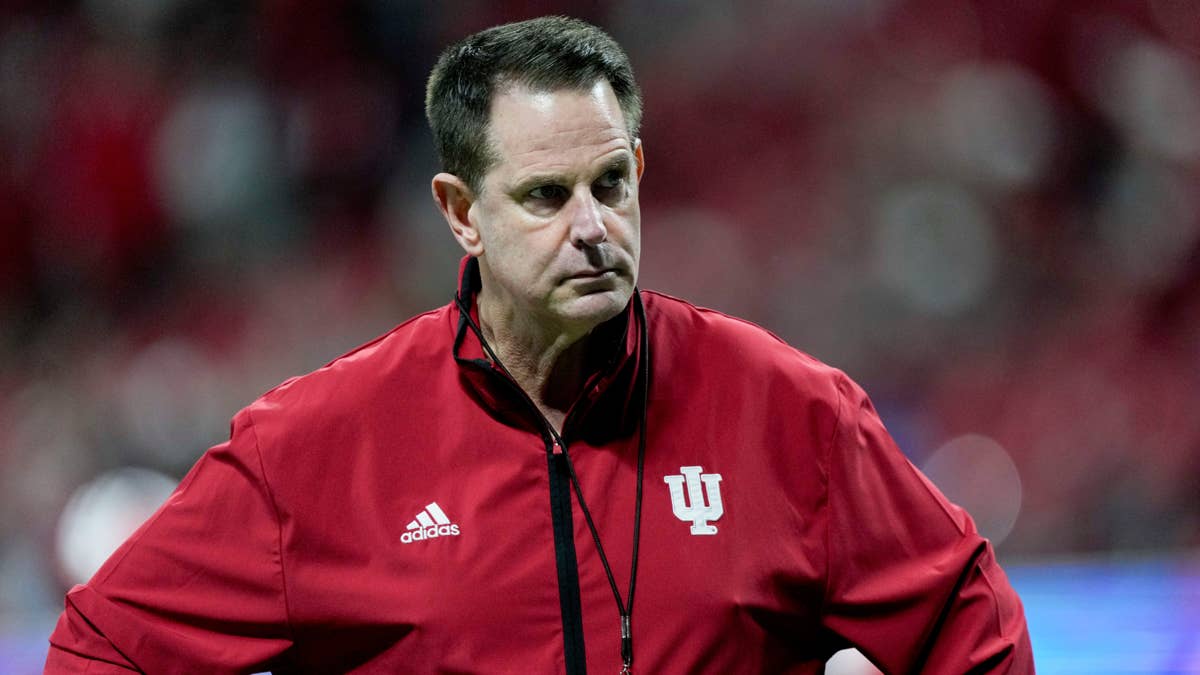
Just months after hoisting the national championship trophy, Indiana Hoosiers head coach Curt Cignetti is sounding an alarm that has the college football world buzzing. Speaking at the Hoosiers at Huber's event on May 28, 2026, Cignetti didn't mince words about the financial trajectory of the sport he just conquered.
"The market is pretty expensive — it's scary. It's scary. I think players should get paid. But something's going to have to be done in the next 12 to 24 months, or universities might not be able to handle this. College football won't exist the way we're going right now," Cignetti told Colin McMahon.
This warning comes on the heels of a historic season where Cignetti led Indiana to an improbable national title, a feat that would have been unthinkable a decade ago. The Hoosiers leveraged their massive alumni base and motivated donors to build a powerhouse, but Cignetti fears the spending race is unsustainable. His concerns echo those of Texas A&M's Mike Elko, who recently warned that the sport's spending spree is heading toward bankruptcy.
A System Under Siege
The heart of the issue lies in the current NIL (Name, Image, and Likeness) payment structure, which has turned college football into a high-stakes financial arms race. While Cignetti supports player compensation, he argues the unchecked escalation threatens to bankrupt universities. "Universities won't be able to survive. College football won't exist the way we're going right now," he emphasized.
This isn't just a coach's rant. The lack of consensus on reform has left the sport in limbo. Some fans advocate for the NFL to create its own farm system, allowing colleges to refocus on academics. Others insist the current system violates labor laws and must change. One X user noted, "If 'college football as we know it' violates labor laws, then, like it or not, 'college football as we know it' will have to change."
Divided Solutions, Urgent Timeline
The debate rages on social media, with no clear path forward. "I have a solution. Let the NFL create its own farm system and pay those players, while Universities become real schools and do not pay students to participate in extra curricular activities," suggested one fan. Another countered, "Do the Math. Players are only getting something like 6%. If giving up 6% to the players who bring in far more is an issue, then this model needs to go."
Meanwhile, a federal bill targeting college sports chaos has been proposed, aiming to cap payments, regulate transfers, and establish a new commission. But whether such legislation can pass in time remains uncertain.
Cignetti's warning is particularly poignant given his own team's rise. The Hoosiers' success story is a double-edged sword: it shows what's possible with financial backing, but also highlights the dangers of a system where only the richest programs can compete. As smaller schools struggle to keep up, the risk of financial collapse looms large.
"Imagine having 100 years to come up with a system that benefited everyone and then complaining when there is no system in place!" one user aptly remarked. With Cignetti's 12-to-24-month clock ticking, the pressure is on for college football's stakeholders to find a solution before the game they love becomes a relic of the past.