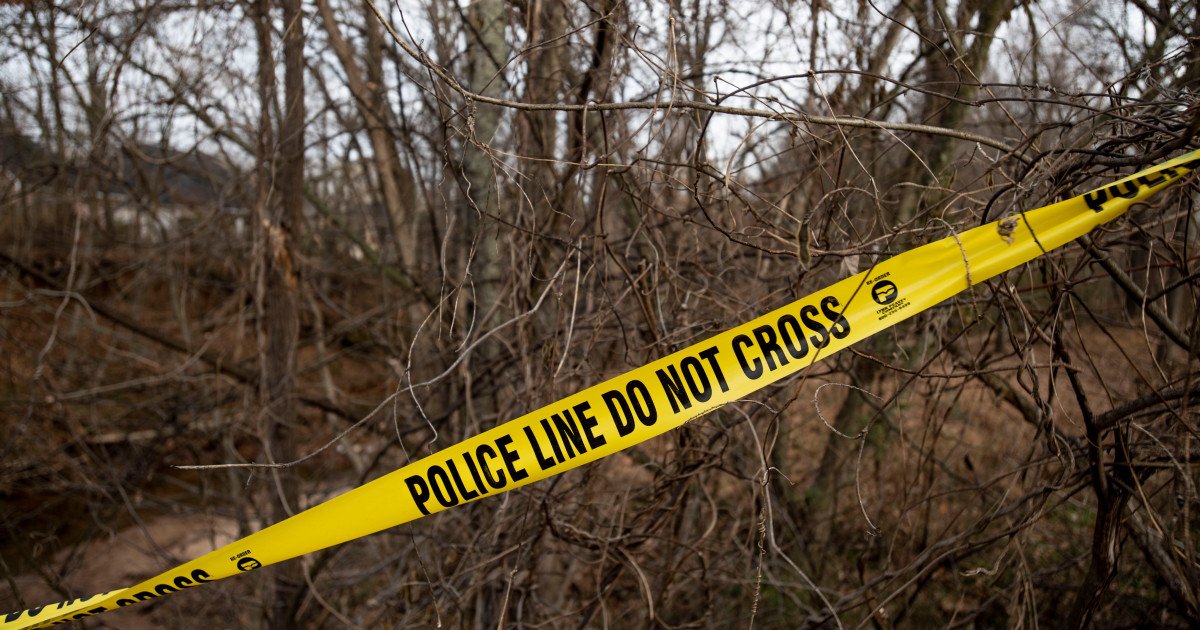
In a sobering reminder of the risks inherent in outdoor adventure, U.S. authorities have issued a stark warning to the hiking community following two tragic fatalities this month. A 23-year-old in Georgia and a 33-year-old in Hawaii lost their lives in separate incidents, prompting a nationwide call for vigilance and preparation.
The Hawaii incident, which occurred in Hawaii Volcanoes National Park, is under investigation by the National Park Service. The hiker was found after entering a closed area on the east side of the Kilauea caldera. While the active volcano was not erupting at the time, the terrain proved fatally hazardous. "Search and rescue personnel conducted operations overnight in steep and hazardous terrain," the NPS stated, before locating the victim and transporting him via helicopter, where he was pronounced dead.

These back-to-back tragedies underscore a critical message from officials: the wilderness demands respect. The core directive is clear—hikers must follow all posted signs, stay on designated trails, and never enter restricted zones. Venturing off-limits not only risks personal safety but also endangers the rescue teams who must navigate dangerous conditions to respond.
This warning echoes other recent outdoor safety alerts, such as the urgent warning issued after a tragic hunting accident and the heartbreaking conclusion to an Appalachian Trail search. Each incident reinforces the non-negotiable importance of heeding official guidance.
Beyond staying in permitted areas, preparation is your best defense. Authorities are doubling down on essential safety protocols that every hiker should treat as gospel. Top recommendations include hiking with a companion, leaving a detailed itinerary with someone responsible, and being ready for sudden weather changes or an unexpected night outdoors.
Your Essential Hiking Checklist
Before you hit the trail, ensure your pack includes these lifesaving items:
- Navigation & Communication: A physical map and compass (don't rely solely on your phone), a fully charged cell phone, and signaling devices like a mirror or whistle.
- Life-Sustaining Basics: More water than you think you'll need, plus purification tablets, and high-energy food supplies.
- Safety & First Aid: A comprehensive first aid kit, any necessary prescription medications, sunscreen, and insect repellent.
- Emergency Shelter & Warmth: Extra layers of clothing, rain gear, a space blanket, a firestarter, and a flashlight or headlamp with fresh batteries.
Smart Practices for a Safe Return
Gear is only part of the equation. Adopting smart habits dramatically increases your safety margin. Always check local hunting seasons and wear bright colors if you're hiking during those times. Pace yourself to avoid exhaustion, and be aware of environmental hazards like poison ivy or deer ticks. Most importantly, embrace the principle of leaving no trace—keeping our wild spaces pristine and hazard-free for everyone.
While the allure of the untamed path is powerful, these recent deaths are a heartbreaking testament to the consequences of underestimating nature. As the community mourns, the takeaway is unequivocal: adventure responsibly. Plan thoroughly, respect all boundaries, and pack not just for the hike you envision, but for the unforeseen challenges that could arise. Your safety, and the safety of those who would come looking for you, depends on it.