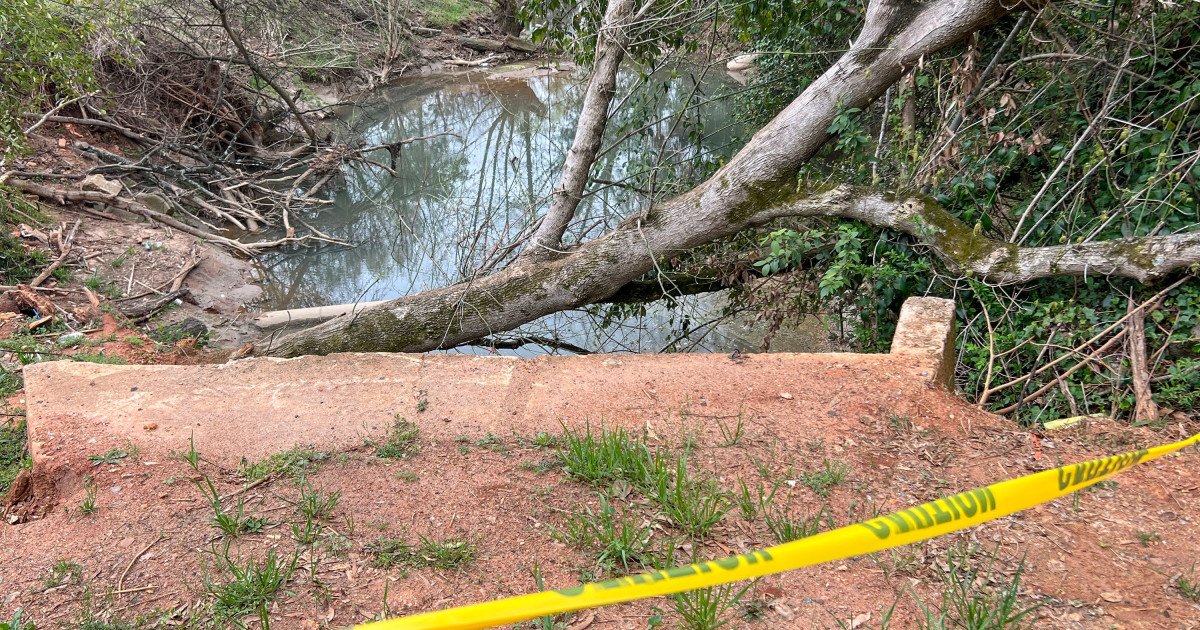
A somber conclusion has arrived in the desperate search for a young hiker who vanished along one of America's most iconic trails. After days of mounting concern and coordinated alerts, authorities have confirmed the tragic discovery of 23-year-old Julian Horton's body, bringing a heartbreaking end to a story that gripped the outdoor community.
A Search Powered by Technology
The breakthrough in the case came through modern technology, as officials were able to ping Horton's cellphone to narrow the search area. The Missouri native was last seen by his family on March 3, prompting a multi-state alert that was sent to phones along the Appalachian Trail in north Georgia this past Wednesday. This digital lifeline ultimately led searchers to his location, though the outcome was the worst possible scenario.

Fannin County Coroner Becky Callihan delivered the official ruling to The Trek, confirming that Horton's death has been pronounced a suicide. The announcement casts a shadow over what began as a missing person case, transforming it into a story of profound personal tragedy.
Disturbing Discoveries at the Scene
Adding layers of sorrow to the investigation, authorities revealed that Horton left behind what were described as "disturbing notes." According to Coroner Callihan's statements to local radio station WJRB, these messages were intended for his mother back in Missouri, with additional notes discovered at the death scene itself. These personal writings now form a painful puzzle for investigators and loved ones trying to understand his final days.
This incident serves as a stark reminder of the mental health challenges that can intersect with outdoor pursuits, even on trails as celebrated as the Appalachian Trail. While the wilderness offers escape and beauty, it can also become the backdrop for personal struggles that remain hidden from view until tragedy strikes.
The hiking community often rallies around missing persons cases, with recent events like the California trail tragedy sparking important conversations about safety and preparedness. Similarly, the formal investigation into a hiker's death, such as when a medical examiner rules a missing hiker's death a suicide, forces a difficult but necessary examination of the pressures individuals may carry into the wilderness.
Communities from Missouri to Georgia now mourn the loss of a young life cut short. These tragedies resonate deeply, much like when a mountain community mourns after the tragic loss of young hikers, creating ripples of grief that extend far beyond the immediate family. The collective heartbreak underscores how outdoor adventures, while often joyful, can sometimes conceal deeper struggles.
As authorities complete their investigation and the Horton family begins the long process of grieving, the sports and outdoor world is left to reflect on this loss. It's a poignant moment that transcends the typical adventure narrative, reminding everyone that behind every missing person alert is a human story with complex layers.
Our deepest condolences go out to Julian Horton's friends, family, and all who knew him during this unimaginably difficult time. May he find the peace in passing that seemed to elude him in life.