March Madness is built on heart-stopping moments, but for Santa Clara and head coach Herb Sendek, the sting of Thursday's loss to Kentucky is about more than a final score. It's about a timeout that wasn't heard, a call that wasn't made, and a dream that slipped away in the most agonizing fashion imaginable.
With mere seconds remaining in regulation and his 10th-seeded Broncos clinging to a three-point lead over the 7th-seeded Wildcats, Sendek insists he did everything right. As Kentucky scrambled up the court, the veteran coach screamed for a timeout. He waved his arms. He made his plea. The referees, he says, looked right through him.
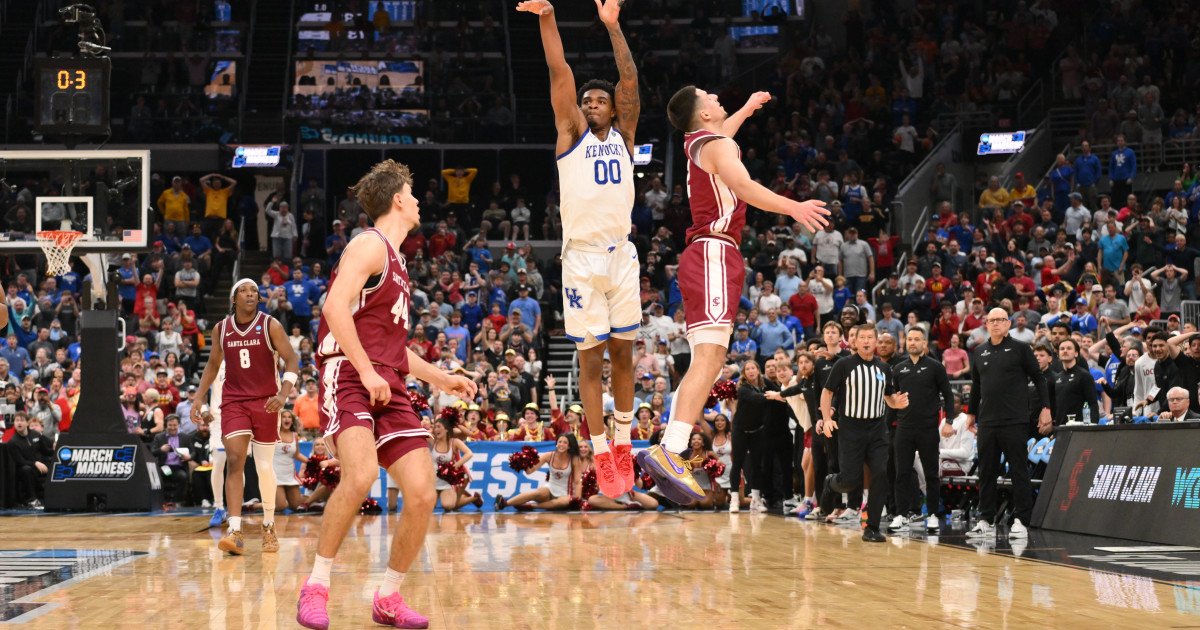
"I unequivocally called timeout. But they didn't grant it," Sendek stated bluntly in a post-game press conference simmering with frustration. That moment of silence from the officiating crew was all the opening Kentucky superstar Otega Oweh needed. The guard pulled up and drained a clutch three-pointer at the buzzer, sending the game to overtime where Kentucky would eventually prevail, ending Santa Clara's first NCAA Tournament run since 1996.
A Controversy Ignites
The immediate aftermath was a social media firestorm, with basketball fans fiercely divided. Was this a blatant officiating error that cost a mid-major a historic upset, or a case of a coach calling for a stop too late in the chaos?
"Refs stole this game from them a few times smh," argued one supporter on X, capturing the sentiment of those who felt Santa Clara was wronged. Others pointed to the frantic nature of the final play. "Called it way too late. Gotta be calling it as basket is made," countered another viewer, suggesting the officials' focus was rightly on the live action.
The debate hinges on nuance and perspective. One observer noted, "The timeout came late, very unfortunate for them. The ref was signaling made three to the box, his back was turned to Santa Clara's head coach." This incident has immediately drawn comparisons to other infamous tournament blunders, inviting discussion about Chris Webber's infamous timeout and the fine line between coaching instinct and official recognition.
The Weight of What Could Have Been
For Sendek and his Broncos, the pain is profound. This wasn't just any game; it was a chance to replicate the magic of 1996, when a 10th-seeded Santa Clara squad knocked off 7th-seeded Maryland. For thirty years, that moment has been legendary in program lore. On Thursday, they stood on the precipice of creating a new one.
Instead, they're left with a brutal "what if." What if the whistle had blown? What if Kentucky's rhythm had been disrupted? The Broncos outplayed the Wildcats for large stretches, exposing flaws that suggest Kentucky's tournament promise might be on shaky ground. That knowledge, however, is cold comfort in the locker room.
The loss also raises broader questions about the consistency of end-game management in college basketball. When the stakes are this high and the moments move this fast, what is the responsibility of the officiating crew? Should they have a sort of peripheral vision for coaches, or is the onus entirely on the coach to be seen and heard in the maelstrom?
While this particular timeout controversy may not reach the historic infamy of a Chris Webber moment, its impact on Santa Clara is no less devastating. A season of triumph, culminating in a long-awaited return to the Big Dance, was overshadowed in a flash—a flash that, according to Herb Sendek, should never have happened. The Broncos' tournament is over, but the argument about how it ended is just getting started, adding another layer of drama to an already volatile March Madness meltdown narrative.