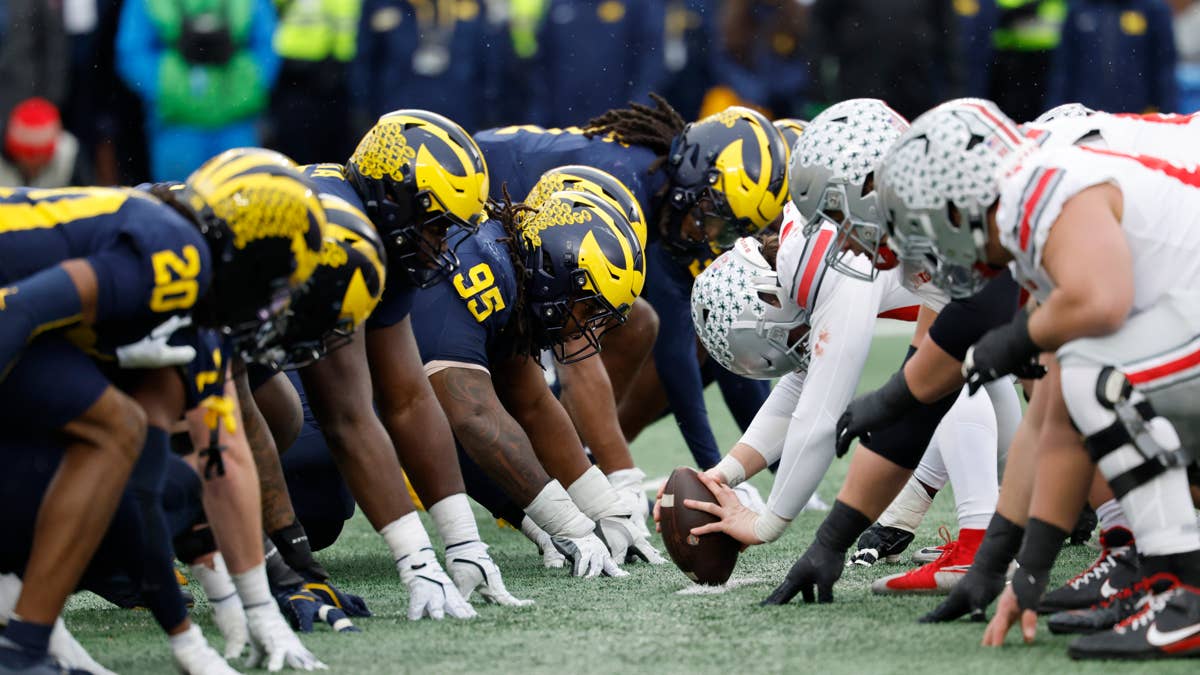
The Big Ten is printing money, and it's not shy about sharing the wealth. The conference announced a record distribution of $1.37 billion to its 18 member schools for the fiscal year ending June 2025—a staggering $490 million jump from the previous year. That's also about $300 million more than the SEC handed out in February, cementing the Big Ten's status as the richest league in college sports.
But with great cash flow comes great concern. As the conference celebrates its financial dominance—backed by three straight College Football Playoff national championships—coaches and administrators are sounding alarms about where all that money is going. Specifically, to roster costs that are spiraling out of control.
The $50 Million Roster Reality
Michigan head coach Kyle Whittingham didn't mince words when he addressed the escalating price tag of competing at the highest level. "What it takes to win in college football in this day and age, in this order: great resources in the NIL area and space, outstanding players—which ties right into how much NIL you have—and then, coaching staff that's competent," Whittingham said, via On3. "Again, it's in that order of importance."
Whittingham's warning was stark: "There's going to be several teams in this '27 recruiting cycle that are $50 million-plus rosters. You've either got to keep up and embrace that or embrace irrelevance because it's not changing, at least, right away."
His comments echo a growing unease across college football. Fans have already sounded the alarm as the prospect of $50 million rosters looms large. The Big Ten's massive payout only accelerates the arms race.
A Salary Cap in All But Name
Whittingham didn't just identify the problem—he offered a solution. "The biggest thing that needs to … have some parameters and guardrails put on it is the NIL, which essentially is a salary cap. That's the direction we've got to head."
His call for guardrails mirrors similar demands from other coaching legends. Nick Saban has slammed the financial 'unfairness' of the current system and demanded a salary cap. Whittingham's warning dovetails with that sentiment, as the Big Ten's record payout underscores the widening gap between the haves and have-nots—even within the same conference.
The Big Ten's $1.37 billion distribution is a testament to the league's media rights deals and playoff success. But as Whittingham noted, the system needs a complete overhaul. "It's got to be completely overhauled in the not-too-distant future. You're already starting to see that with some of the things that are coming down the road."
With the 2026 season's toughest schedules already dominated by Big Ten and SEC teams, the financial stakes have never been higher. The Big Ten's record payout proves that money isn't the issue—it's how it's spent.
For now, the conference can bask in its riches. But if Whittingham and others have their way, those dollars will soon come with strings attached.