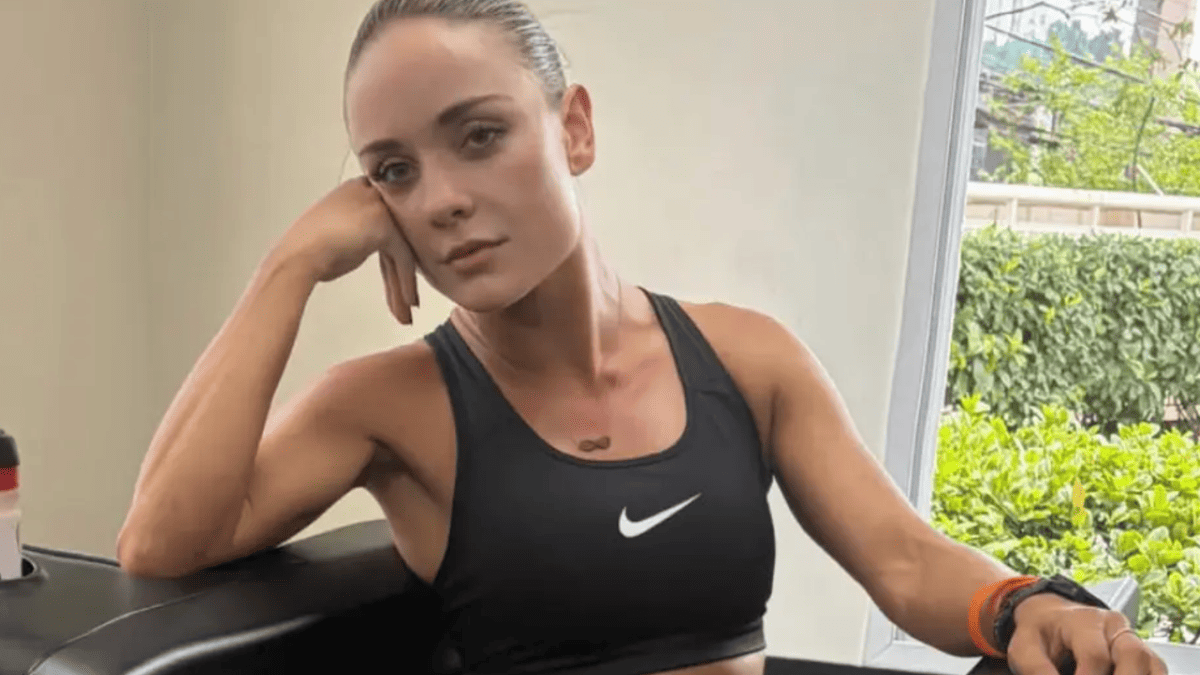
The world of endurance sports is grappling with a heartbreaking tragedy after the death of a competitor who pushed forward despite serious warnings. Mara Flávia, a 38-year-old Brazilian triathlete and social media influencer, was found deceased during a punishing Ironman event near Houston, Texas. The incident has sparked difficult conversations about the line between admirable determination and perilous risk.
A Fateful Decision Against Advice
According to close friend Luis Taveira, Flávia was urged by him and his wife to reconsider competing. "She was ill before the trip, she wasn't okay," Taveira revealed. The athlete was reportedly suffering from flu-like symptoms in the days leading up to the race, which consists of a 2.4-mile swim, a 112-mile bike ride, and a full 26.2-mile marathon run. "My wife and I spoke with her to say she was too weak for this race," Taveira said, adding that Flávia had insisted she was fine. This tragic event follows other somber moments in sports, like when college campuses were left mourning after sudden losses.
Flávia's final social media post, simply stating "Another day of work," now stands as a haunting testament to her relentless drive. Her body was discovered in the muddy waters of the swim course, a devastating outcome for an athlete known for her vibrant spirit. The sports community has been left reeling, similar to the shockwaves sent by the sudden loss of other beloved figures.
A Sister's Heartbreaking Tribute
In a moving online tribute, Flávia's sister, Melissa Araújo, poured out her grief. "You were always synonymous with determination, with courage — with a strength that seemed too vast to be contained within you," she wrote. Melissa described her sister as someone who never did anything halfway, which made the impact of her life so profound. "A piece of me is gone, and I will have to learn to live without it. And it hurts in a way I cannot even explain," she shared, capturing the immense void left behind.
The tragedy underscores the immense physical demands of Ironman competitions and the culture of extreme perseverance that surrounds them. Athletes often train for years, battling through pain and fatigue to reach the start line, making the decision to withdraw incredibly difficult, even when health is compromised. This incident raises critical questions about athlete safety, personal responsibility, and the pressure to compete at all costs.
The Broader Context of Athletic Risk
Flávia's death is a stark reminder that even the most prepared individuals face unpredictable dangers in extreme environments. The Texas event itself can present brutal conditions, from water currents to searing heat on the bike and run segments. While not directly related, athletes in all fields face external challenges, much like the severe weather that often slams Texas and can disrupt major events.
The conversation around what constitutes a "true athlete" and the risks they take is ongoing. Debates similar to Stephen A. Smith's controversial comments on athletes often focus on skill, but this tragedy brings the physical toll and mortal risk to the forefront. There are no easy answers, only a profound sense of loss for a life dedicated to pushing human limits.
As the triathlon community mourns, the focus turns to honoring Flávia's memory and learning from this devastating outcome. Her story is one of passion, dedication, and a tragic final chapter that will undoubtedly lead to reflection on safety protocols and the vital importance of listening to one's body. The legacy of her determination, as her sister noted, has left a permanent mark on all who knew her story.