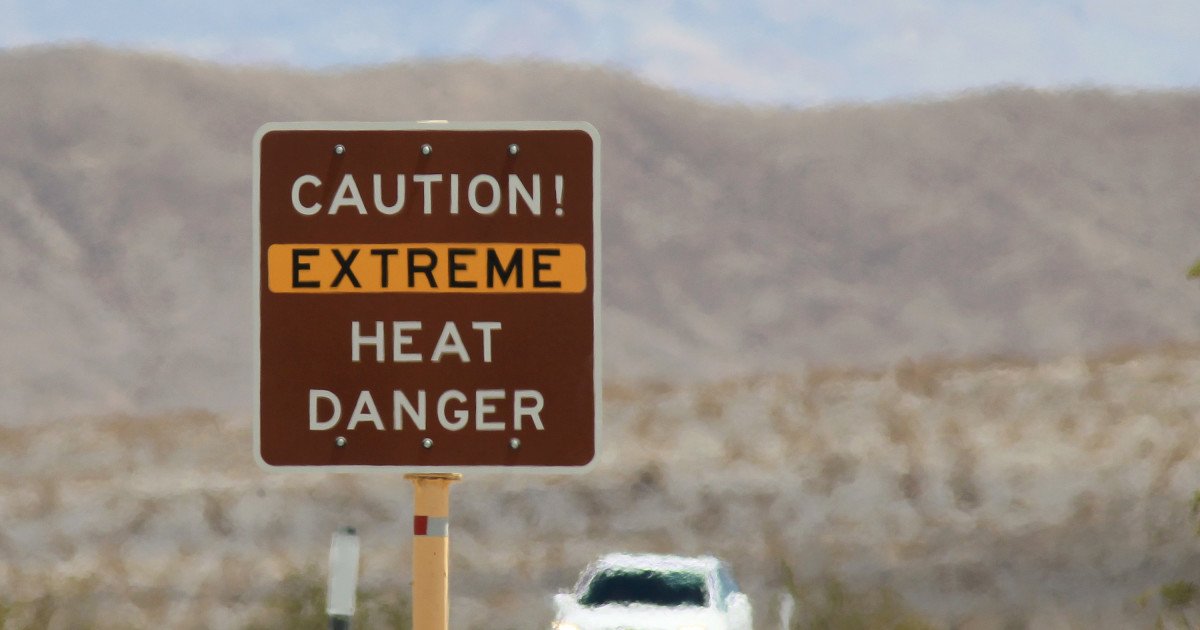
An unseasonable and potentially dangerous heat wave is poised to scorch the American West this week, with eight states bracing for temperatures more typical of mid-summer than mid-March. The National Weather Service has issued urgent warnings for residents and outdoor enthusiasts alike as this early blast of extreme heat threatens to rewrite record books and create hazardous conditions for anyone planning to be outside.
Summer in Spring: A Record-Setting Forecast
Beginning Wednesday, a massive dome of high pressure will settle over the western United States, sending thermometers soaring to unprecedented levels for March. Forecasters predict that hundreds of daily high-temperature records could fall across the region, with some locations experiencing highs that would be considered warm even for June or July. This isn't just a mild warm spell—it's a full-scale atmospheric event that has meteorologists deeply concerned.

The states in the bullseye include California, Oregon, Nevada, Arizona, New Mexico, Idaho, Montana, and Colorado. From the Pacific Coast to the Rocky Mountains, communities are preparing for a sudden and intense shift in weather patterns. This event follows other recent extreme weather disruptions, such as the Monday Night Tornado Watch that threatened sports events across multiple states, highlighting a pattern of volatile conditions.
Sports and Outdoor Activities Face Disruption
For athletes, coaches, and fans, this heat wave presents significant challenges. Outdoor practices, recreational leagues, and community sports events may need to be rescheduled or canceled entirely to protect participants from heat-related illnesses. The timing is particularly problematic as many spring sports seasons are just getting underway, and athletes may not yet be acclimated to exercising in high temperatures.
"This week's heat from the West Coast to the Plains will set hundreds of daily records—many by several degrees," warned the National Weather Service in a stark bulletin. "Some areas may even set March records, with temperatures more typical of June. Learn how to stay safe." This warning echoes concerns raised during other weather emergencies, like the Spring Break Water Warning issued by the NWS for warm-weather dangers.
Critical Safety Measures for Athletes and Spectators
Staying safe during this extreme heat requires proactive planning and common sense. The National Weather Service and health officials have outlined essential precautions that everyone should follow:
- Hydration is non-negotiable: Drink plenty of water throughout the day, not just when you feel thirsty. Avoid sugary drinks and alcohol, which can contribute to dehydration.
- Timing is everything: Schedule strenuous outdoor activities for the early morning or late evening hours. Avoid the peak heat of the day, typically between 10 a.m. and 4 p.m.
- Dress for the heat: Wear loose-fitting, lightweight, and light-colored clothing. A wide-brimmed hat can provide crucial shade for your face and neck.
- Seek cool spaces: If you don't have air conditioning at home, identify public cooling centers, libraries, or shopping malls where you can escape the heat.
- Never leave children or pets in vehicles: Interior car temperatures can become lethal within minutes, even on moderately warm days.
Additionally, it's vital to recognize the signs of heat-related illnesses. Heat cramps, heat exhaustion, and heat stroke are serious medical conditions. Symptoms can include heavy sweating, weakness, dizziness, nausea, headache, and a rapid pulse. If you or someone around you exhibits these signs, move to a cooler location immediately, sip water, and seek medical attention if symptoms persist or worsen.
A Community Effort: Looking Out for Each Other
Extreme weather events like this heat wave call for community awareness. Check on neighbors, family members, and elderly residents who may be more vulnerable to high temperatures. Don't forget about pets—ensure they have ample shade and cool water, and limit their time on hot asphalt which can burn their paws. This community-focused approach is similar to the warnings issued during the Midwest Travel Warning that urged residents to stay off dangerous roads.
Officials also warn that extreme heat can strain power grids, potentially leading to outages. Have an emergency plan in place that includes battery-powered fans, a supply of drinking water, and knowledge of where to go if your home becomes too hot. Staying informed through local weather alerts is crucial as conditions develop.
This early-season heat wave serves as a potent reminder that weather can be unpredictable and severe. While enjoying the outdoors and sports is a cherished part of life in these western states, safety must always come first. By taking precautions, staying hydrated, and looking out for one another, communities can weather this scorching event. Stay cool, stay safe, and stay informed.