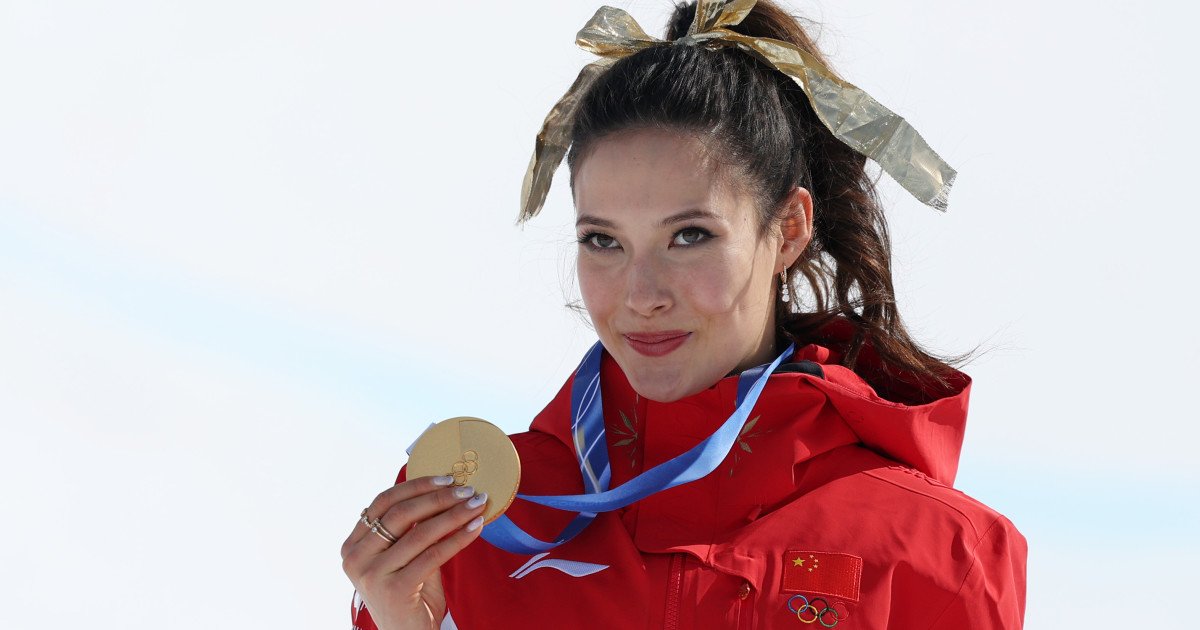
San Francisco's recent announcement for its iconic Chinese New Year celebration has landed with a thud in some quarters, sparking a fiery debate that stretches far beyond the parade route. The city's choice of Olympic freestyle skiing champion Eileen Gu as Grand Marshal has opened a complex conversation about nationality, identity, and athletic choice.
A Hometown Honor Sparks Outrage
The 22-year-old athlete, born and raised in the Bay Area, achieved global fame by winning medals for China at the past two Winter Olympics. Her decision to represent her mother's homeland on the world's biggest athletic stage was celebrated in China but has remained a point of contention for some Americans. San Francisco's move to give her a "hometown welcome" and a place of honor in the parade proved to be the spark that reignited the debate.

Social media quickly became a battleground. "Why are they glorifying a traitor?" one critic demanded online. Others questioned the locale of the celebration, with comments like, "She should be in Beijing for her victory parade," and "We already have our real heroes at home." The sentiment highlighted a raw nerve, framing Gu's athletic choice for China as a rejection of her American roots.
A Fellow Olympian Rushes to Defense
Amid the criticism, U.S. Olympian Alysa Liu, a fellow figure skater, offered a powerful rebuttal. Liu defended Gu's right to choose which nation to represent, calling out the critics for hypocrisy. "I think people are hypocritical for shaming her for representing China," Liu stated. "In my head it's a bit hypocritical, because her mom is an immigrant. Y'all would have told her to go back to China. Now that they're back in China, you're mad."
Liu's comments cut to the heart of the complicated identity politics at play, suggesting that Gu, as the daughter of a Chinese immigrant, faces criticism no matter which path she chooses. This defense adds a crucial layer to a story that is about more than just sports; it's about heritage and the often-impossible expectations placed on athletes with dual backgrounds.
More Than an Athlete: Gu's Multifaceted Stardom
The controversy overshadows what was intended as a celebratory moment for a local star whose influence extends far beyond the ski slopes. Since her Olympic podium to Paris runway triumph, Gu has become a global icon in both sports and fashion. Her story is one of remarkable achievement, having secured six Olympic medals across two Games for China.
Despite the international fame, Gu has consistently maintained strong ties to San Francisco. In past statements, she has emphasized that her heart remains in San Francisco, the city where she grew up and learned to ski. The parade honor was seen by city officials as a recognition of those enduring roots and her role as a bridge between cultures.
A Debate That Reflects Broader Tensions
The blowback against San Francisco's decision reflects wider geopolitical tensions and the increasingly politicized world of international sports. Athletes like Gu, who navigate dual national identities, often find themselves in the crossfire. This incident echoes other media controversies, such as when the NY Times faced criticism for a glowing Eileen Gu headline amidst the allegiance debate.
As the city prepares for its festive parade, the discussion continues: Is an athlete's choice of national representation a simple sporting decision, or does it carry a deeper political meaning? Can a hometown celebrate one of its own when that individual competes under another nation's flag? San Francisco's attempt to honor a local Olympic champion has, perhaps unintentionally, turned into a referendum on these very questions, proving that in today's world, sports and identity are inextricably linked.