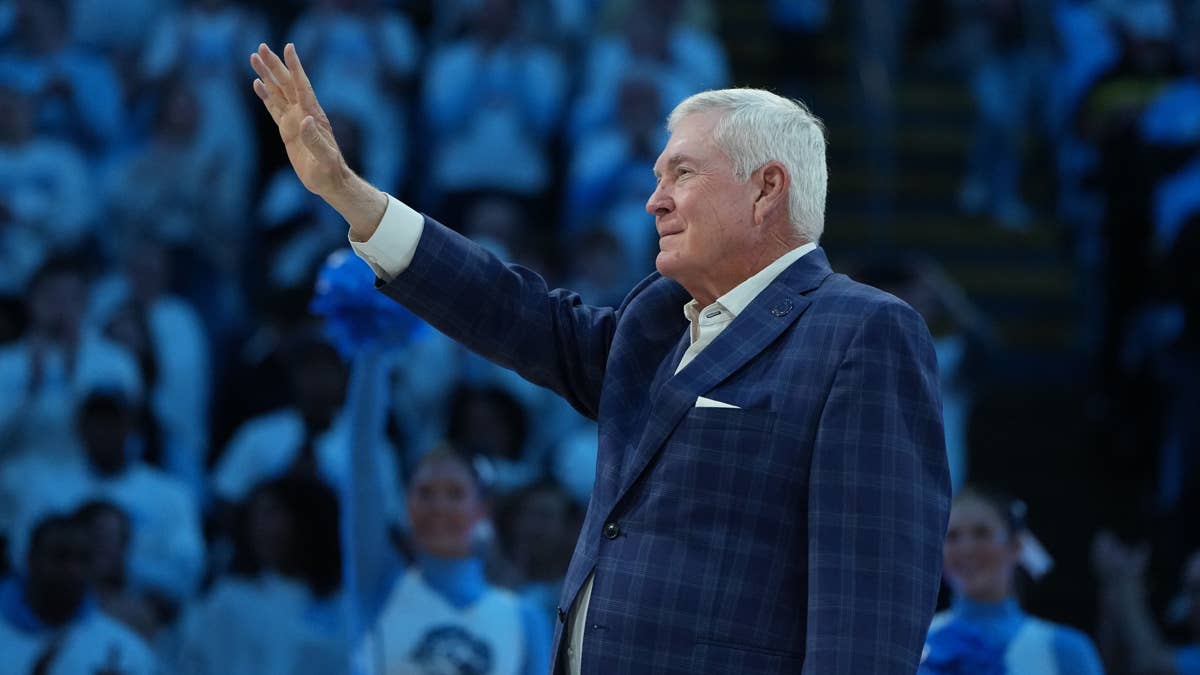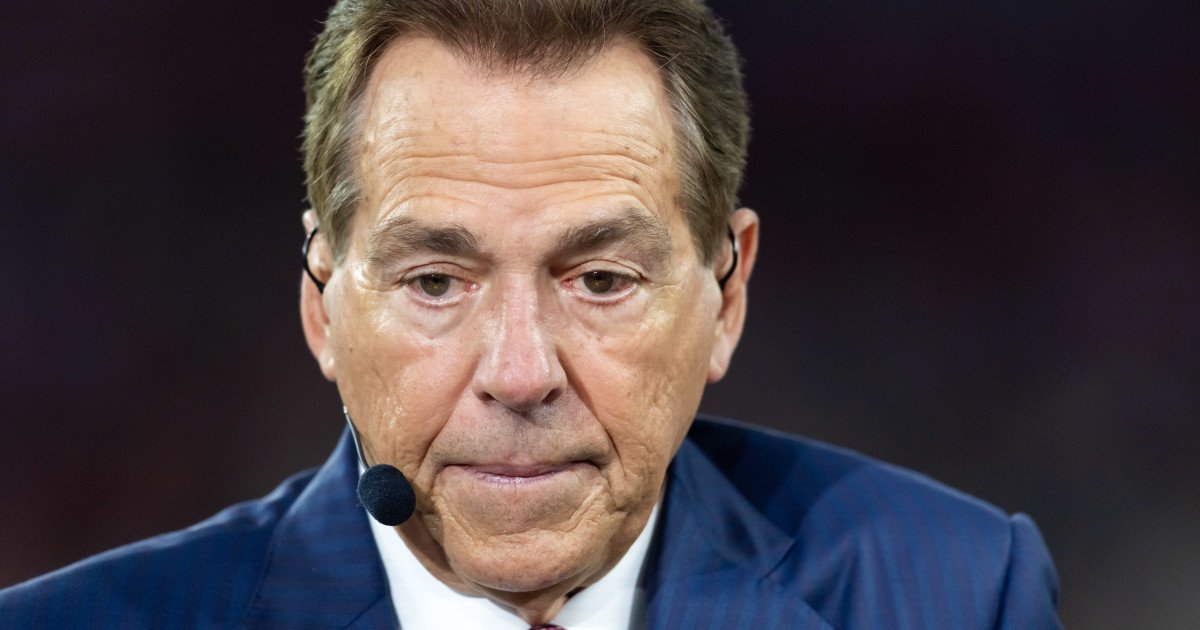
Legendary coach Nick Saban found himself in the eye of a storm this week after remarks made at a White House roundtable on college sports drew sharp accusations of hypocrisy. The former Alabama maestro, who built a dynasty on the field, is now facing intense scrutiny for his stance off it.
A Call for Change or a Case of Contradiction?
Speaking at the event, Saban expressed deep concern that the current landscape of college athletics has made it "impossible" for players to focus on long-term development. "My goal as a coach... was to help them be more successful in life," Saban stated, emphasizing personal development and academic achievement. He argued that the system now pushes athletes to make decisions based on immediate financial gain at different schools, rather than building lasting value for their futures.
However, the reaction was swift and pointed. Critics were quick to highlight the staggering financial success of the coach himself, who amassed over $150 million in earnings during his career while his players received scholarship compensation. The glaring disparity between coach and player compensation became the central point of contention, with many asking if Saban's plea rings hollow given his own financial windfall.
The Fanbase Weighs In
The sports world erupted with opinions. Some defended Saban's right to his earnings, citing his decades of work and unparalleled success. "With all the winning he did he deserves it," argued one supporter, pointing to his 50-year coaching grind.
But a louder chorus called out the perceived double standard. "If coaches want to go back to 'the good ole days', cap coach salaries as equal to a tenured professor," challenged one commenter. Another bluntly connected the dots: "NIL leveled the playing field and he quit immediately when that happened." The debate echoes other high-profile sports figures' engagements with the White House, like when Barkley's White House Stance Sparks Fiery Debate Among Sports Fans.
Saban proposed a solution centered on "an effective system of revenue sharing" and "authentic" Name, Image, and Likeness (NIL) deals, criticizing the current "collective" model as mere "pay-for-play." Yet, this call for restructuring comes from a man who benefited immensely from the old order, a fact not lost on observers. This tension between established authority figures and evolving player rights is a recurring theme, similar to conflicts seen in other sports, such as when the Miami (Ohio) AD Blasted Bruce Pearl Over 'Disrespectful' NCAA Tournament Comments.
The Core of the Controversy
At its heart, the uproar isn't just about Saban's wealth; it's about the fundamental fairness of a system where the architect of a program reaps generational wealth while the labor force—the players—historically did not. Saban's comments, intended to champion student-athlete welfare, inadvertently spotlighted the very inequity that has driven the recent revolution in college sports.
The incident underscores the complex and often painful transition college athletics is undergoing. As money floods in, the question of who deserves a share—and how much—remains fiercely contested. Saban's vision of a return to developmental purity clashes with the modern reality of athlete empowerment and financial recognition. It's a debate that extends beyond football, touching on the very identity of college sports, much like the discussions that follow when other athletes make personal stands regarding the White House, as seen when Olympic Gold Medalist Amber Glenn Declined Her White House Invitation.
Whether viewed as a wise elder statesman urging caution or a beneficiary of the old guard reluctant to cede ground, Nick Saban's White House moment has ignited a necessary and fiery conversation about value, money, and power in the games America loves.