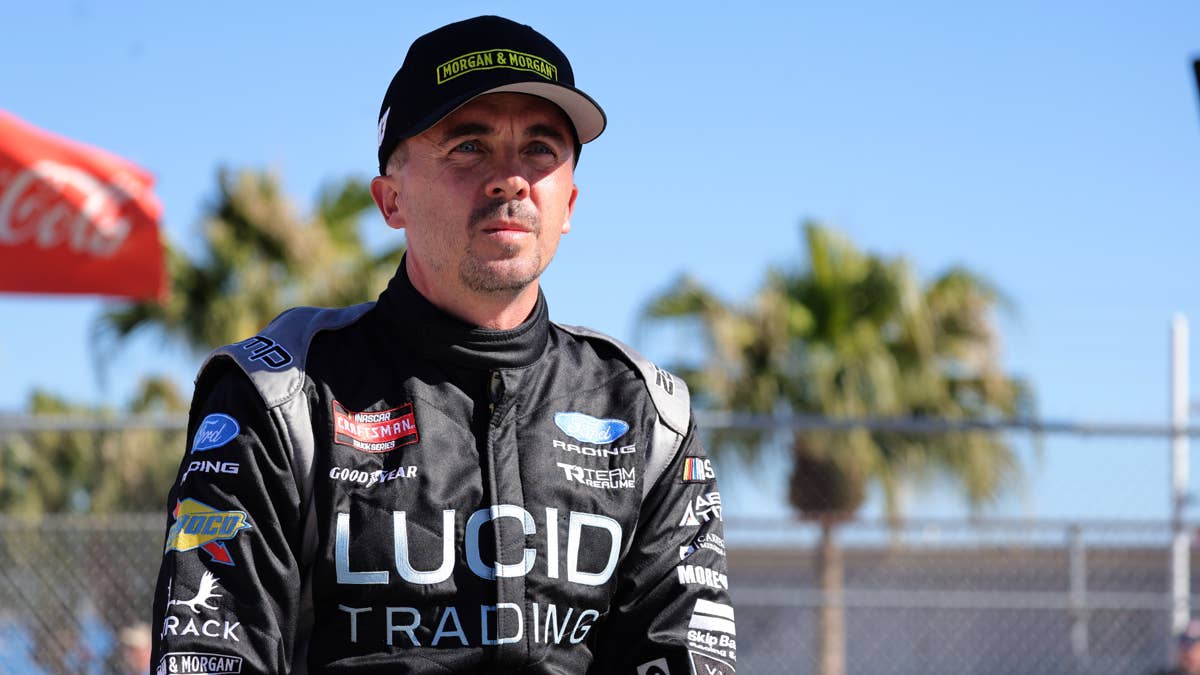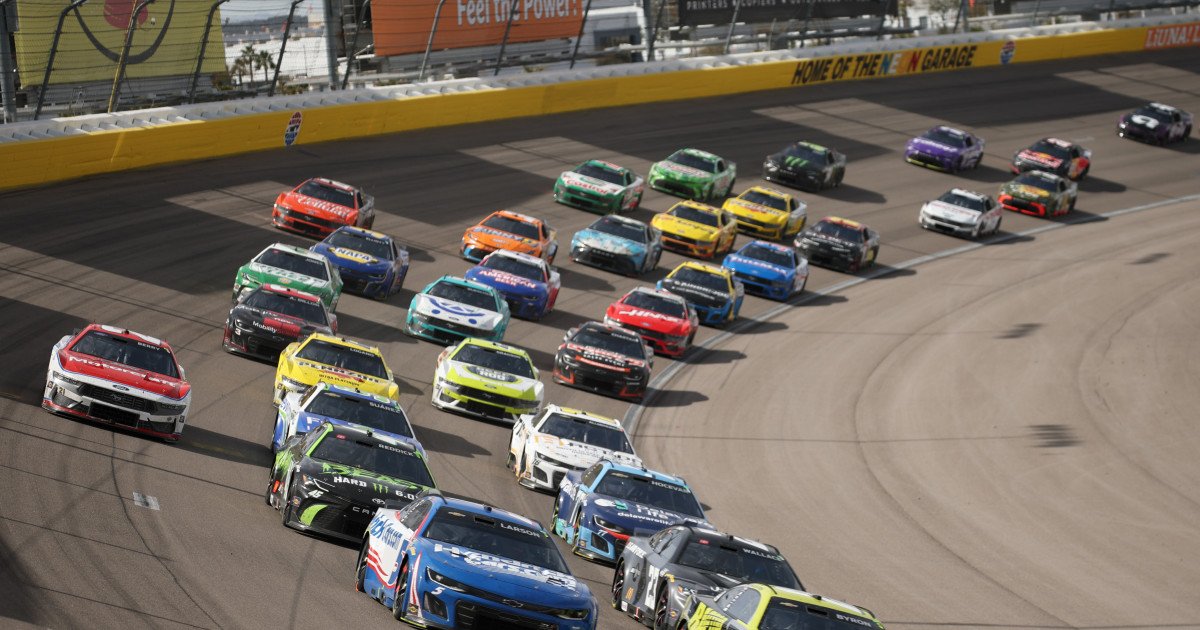
The roar of engines and the smell of burning rubber filled the Las Vegas Motor Speedway this Sunday, but for two NASCAR Cup Series drivers, the thunder was momentarily silenced by the dreaded black flag. In a crucial moment during the Pennzoil 400, Chase Briscoe and Justin Allgaier found themselves on the wrong side of NASCAR's pit road speed limit, earning penalties that threw a wrench into their race strategies.
While Denny Hamlin commanded the lead and Ty Gibbs held strong in second, the battle further back took a dramatic turn. The infractions for Briscoe and Allgaier serve as a stark reminder that in NASCAR, the race isn't just won on the high banks; it can be lost in the controlled chaos of pit lane.
What Exactly is a Speeding Penalty?
For the uninitiated, a NASCAR speeding penalty isn't about breaking the sound barrier on the track itself. It's a specific violation that occurs when a driver exceeds the strictly enforced speed limit on pit road. This rule is paramount for the safety of the dozens of crew members, officials, and other personnel working mere feet from cars darting in and out of their stalls.
Drivers don't have traditional speedometers to rely on. Instead, they use a sophisticated system of tachometers and dashboard lights to gauge their velocity. Teams meticulously calibrate these systems, but as with all things in racing, the margin for error is razor-thin. Interestingly, NASCAR builds in a small buffer. As noted by NBC Sports, teams are typically allowed to exceed the posted limit by 4.99 mph before a penalty is assessed. For instance, if the limit is 55 mph, punishment doesn't come until hitting 60 mph.
The Cost of a Split-Second Mistake
The penalty for speeding is severe and immediate. The offending driver is called to serve a pass-through penalty, forcing them to re-enter pit road at the mandated slow speed while the field rockets by at full throttle. This often results in losing a lap to the leaders, a devastating blow that can take a car running in the top ten and relegate it to the back of the pack. In a sport where every position is fought for tooth and nail, such a mistake can effectively end any hope of a strong finish.
This kind of high-pressure, split-second drama is what makes NASCAR so compelling. While the focus was on the battle up front in Vegas, the penalties underscored that every second counts. It's a lesson drivers learn repeatedly, but in the heat of competition, the temptation to push the envelope on pit road to gain a precious tenth of a second can be overwhelming.
Sunday's events in Nevada were a stark contrast to other sports facing nature's fury. While drivers contended with man-made rules, other athletic events were grappling with real-world disruptions. For example, a severe weather alert for eleven states threatened to cancel games entirely, and a major winter storm dumping feet of snow created travel chaos for teams and fans alike. NASCAR, however, raced on under the desert sun, its drama confined to the asphalt.
The debate over the pit road speed tolerance is an ongoing one in racing circles. As technology improves and teams become ever more precise, some question whether the 5-mph buffer is still necessary or if it simply encourages drivers to dance on the edge of legality. For Briscoe and Allgaier on Sunday, that edge proved to be a cliff. Their penalties are a tough lesson in a season where every point matters, a momentary lapse that will have them and their teams reviewing the data long after the checkered flag has waved in Las Vegas.