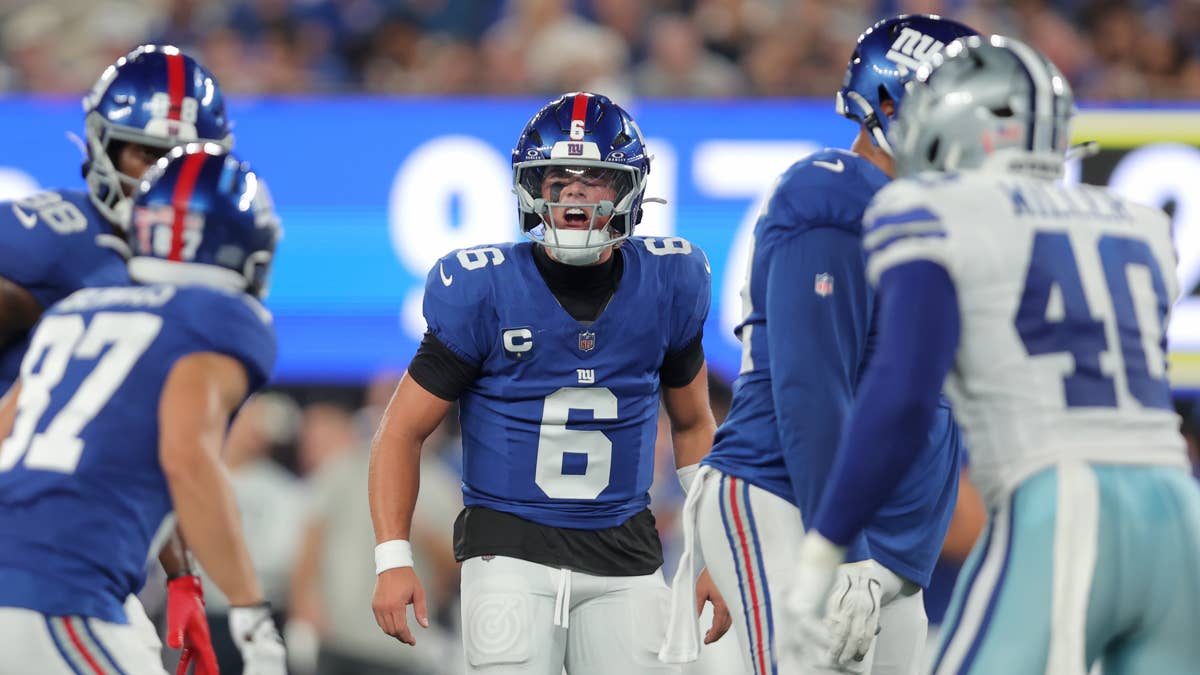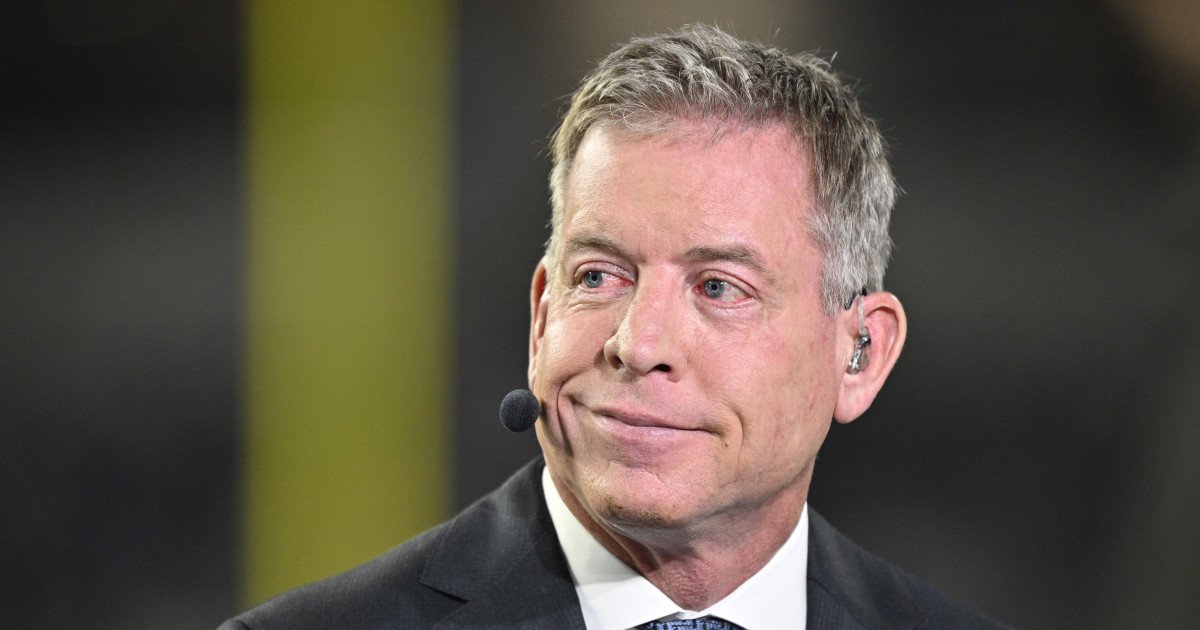
In the high-stakes world of the NFL, where competitive edges are fiercely sought, a new kind of dual-threat is causing a stir. Hall of Fame quarterback Troy Aikman is now playing two very different games: one in the broadcast booth for ESPN and another in the front office as a consultant for the Miami Dolphins. This arrangement has landed squarely on the league's radar, sparking a debate about fairness, access, and where the line should be drawn.
A Modern-Day Double Duty
Aikman, a legendary figure from his days with the Dallas Cowboys, has confirmed his ongoing advisory role with the Dolphins, stating he plans to continue "in some capacity" for the foreseeable future. While his expertise is undoubtedly valuable, this dual affiliation presents a potential conflict of interest that could violate league guidelines. The core issue is clear: can a national broadcaster, who travels to every stadium and has insider access to teams and players, also faithfully serve the interests of a single franchise without compromising the integrity of his on-air role or creating an uneven playing field?
The League's Watchful Eye
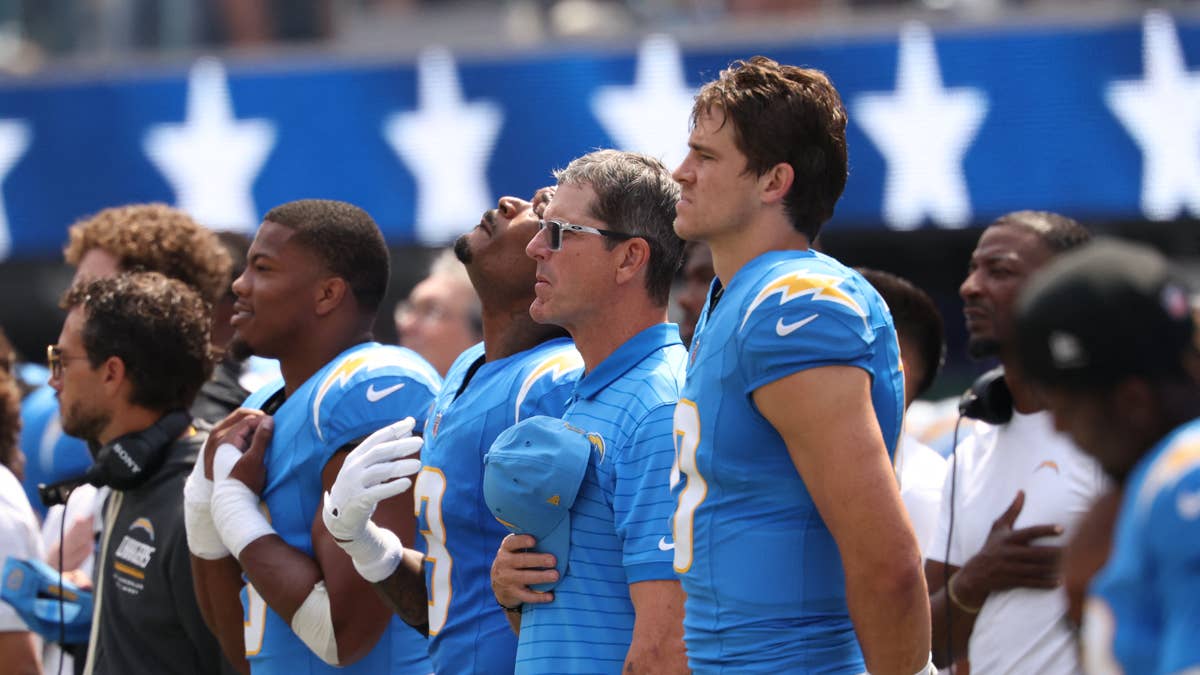
According to reports, the NFL is aware of the situation but is taking a measured approach. In a statement, the league indicated it would address the matter "at the appropriate time," suggesting officials are gathering information before making a ruling. This cautious stance highlights the complexity of the issue, as the league navigates the precedent set by other high-profile figures in similar positions.
The situation inevitably draws comparisons to Tom Brady's unique career pivot. The legendary quarterback, while preparing for his debut as FOX's lead analyst, also secured a minority ownership stake in the Las Vegas Raiders. The league established specific "Brady Rules" for his case, primarily restricting him from attending Raiders practices in the days leading up to games. Beyond that, his broadcasting duties proceed as normal. The looming question for the NFL is whether Aikman's consultancy will warrant the same framework or a stricter set of guidelines.
The Slippery Slope of Sideline Intelligence
Analysts like ProFootballTalk's Mike Florio have sounded the alarm on the broader implications. If Aikman's arrangement is permitted under relaxed rules, it could trigger a wave of teams hiring broadcasters as consultants, all seeking that informational upper hand. "If he's on the Miami payroll, he'll have an obligation to the Dolphins," Florio explained. "He'll be able to gather and to share all sorts of information that he acquires as he travels from stadium to stadium, week in and week out." This creates a scenario where teams without a broadcaster on their payroll could be at a distinct disadvantage, undermining the league's competitive balance.
The concern isn't just about X's and O's. A broadcaster-consultant has unparalleled access to locker room atmospheres, player morale, and off-the-record conversations—intel that is pure gold for a front office. This puts Aikman in a uniquely powerful, and ethically precarious, position every Sunday.
As the NFL continues its global expansion, exploring new markets like potential European franchises, maintaining a clean and fair image at home is paramount. Scandals or perceived conflicts can damage the brand's credibility. Furthermore, the league is increasingly focused on holistic player well-being, with voices like A.J. Green advocating for mandated mental health care. Issues of integrity and fair competition are part of that same ecosystem of trust.
For now, all eyes are on the league office. Will they grant Aikman a pass similar to Brady's, or will they draw a harder line to prevent a consultant arms race among the 32 clubs? The decision will send a powerful message about what the NFL values most in its ever-evolving relationship with media and competition. One thing is certain: in a league where every detail matters, Troy Aikman's two jobs have become one of the most intriguing stories off the field.