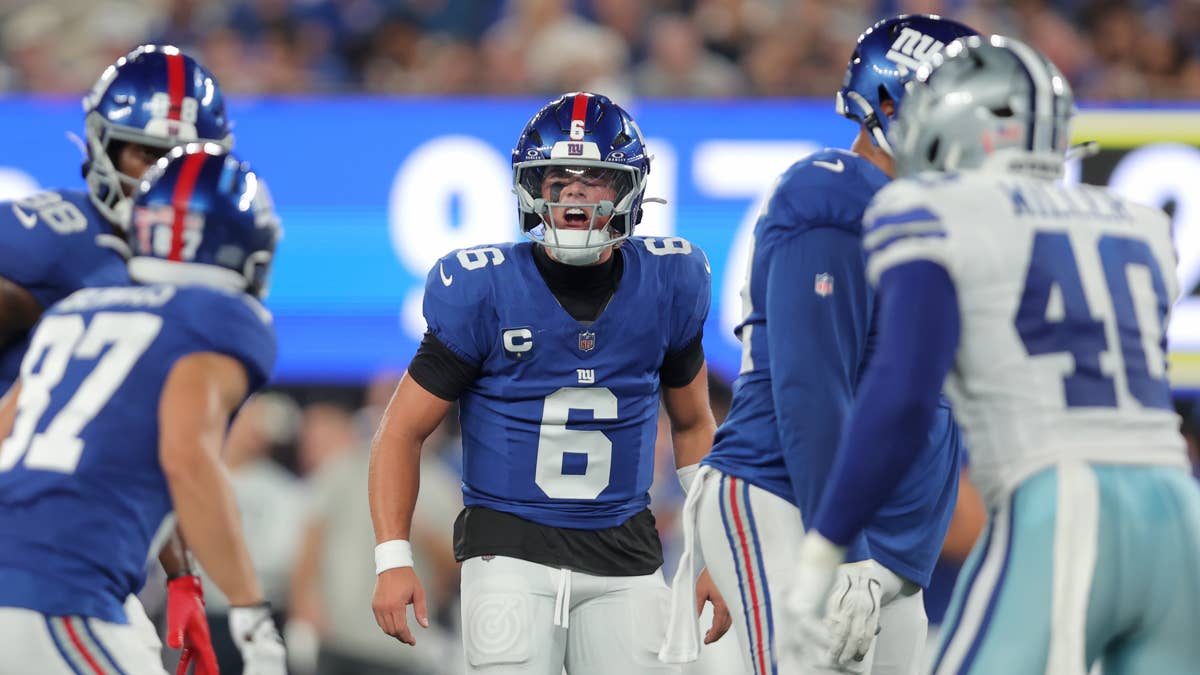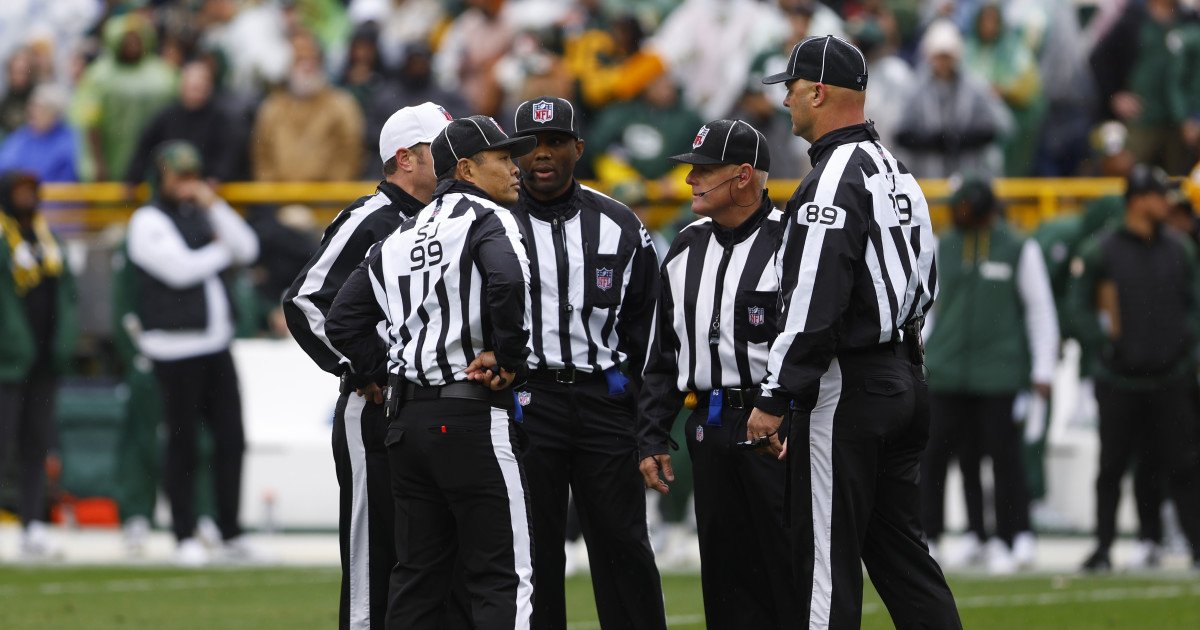
As the NFL and its referees' union remain locked in a tense standoff, the league is quietly preparing a contingency plan that could dramatically alter the game on the field. According to reports, the NFL is gearing up to deploy replacement officials by 2026 if a new Collective Bargaining Agreement isn't reached. This high-stakes gamble puts player safety and game integrity on the line, yet from the NFL Players Association, there's only silence.
A Union in Transition, A Voice Gone Quiet
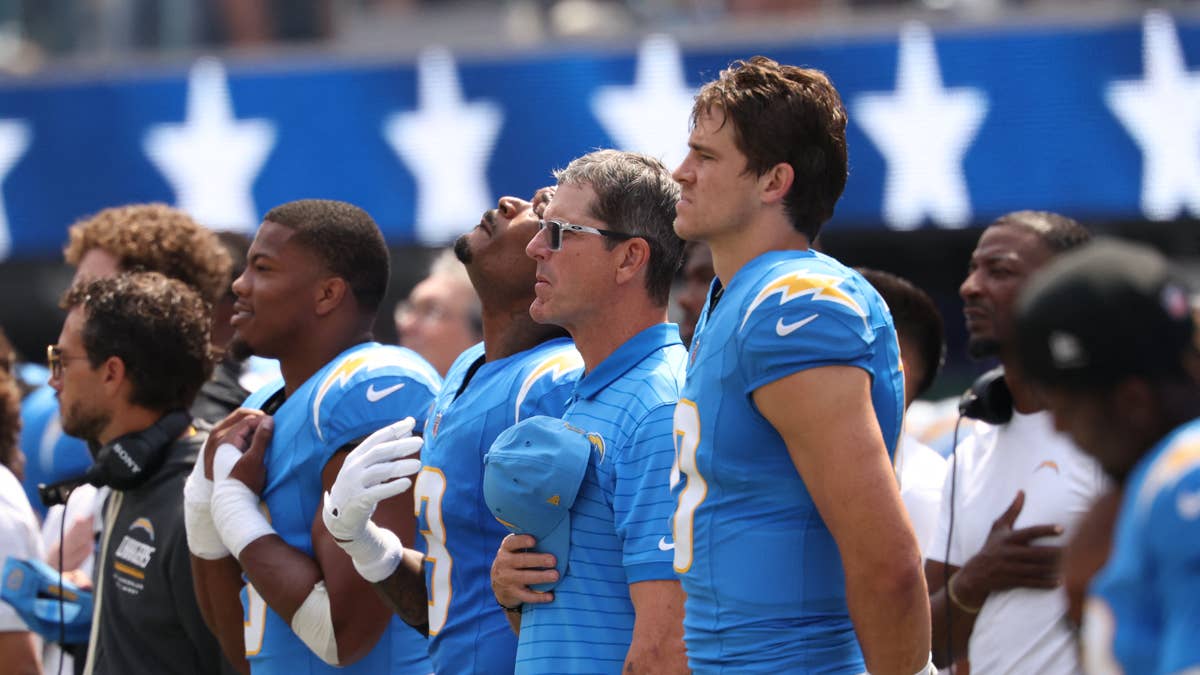
The NFLPA, which has historically stood shoulder-to-shoulder with the referees during labor disputes, has been conspicuously absent from this brewing storm. This silence comes during a period of significant internal transition for the players' union, which only recently named JC Tretter as its new executive director after a prolonged leadership battle. The internal focus appears to have muted their public stance on an issue that directly impacts every player's Sunday.
This quiet stance hasn't gone unnoticed. Former NFLPA executive director DeMaurice Smith broke the silence from the players' side with a pointed message on social media. He urged current players to remember their past solidarity, writing, "Several years ago the Players stood with the officials when they were locked out and was prepared to file a grievance that the NFL’s removal of the experienced and on-field first responders created an unreasonable health and safety risk. Still the right thing to do." His words highlight the critical role officials play beyond just calling penalties—they are essential for player protection.
The Ghost of Officiating Failures Past
The mere mention of "replacement referees" sends shivers down the spines of longtime NFL fans. The league's last experiment with alternative officials in 2012 culminated in the infamous "Fail Mary" debacle during a Monday Night Football clash between the Green Bay Packers and Seattle Seahawks. The botched call that decided the game became a national embarrassment and forced the league's hand to settle with the regular referees. The prospect of repeating that fiasco has many wondering if the NFL is willing to risk the product's credibility once more.
The league's reported strategy involves recruiting officials from smaller college football programs, potentially bypassing major conferences like the SEC and Big Ten where top-tier referees reside. This approach raises immediate questions about the quality and consistency of officiating that players and teams could face. In a league where a single penalty can alter a season's trajectory, the stakes couldn't be higher. This situation echoes other high-risk front office maneuvers, like the Browns' Draft Day Gambit that left fans groaning, proving that not all bold plans pay off.
More Than Just Stripes: Health and Safety on the Line
Smith's warning underscores a vital point often lost in the debate over penalties and fines: NFL referees are trained as first responders on the field. Their experience in recognizing and managing potentially catastrophic injuries—from concussions to spinal issues—is built over years of high-speed, high-stakes gameplay. Replacing them with officials who lack that specific, pressurized experience introduces a tangible health risk to players. In an era where player safety is a constant headline, this aspect of the labor dispute cannot be ignored.
The silence from the current NFLPA leadership is particularly striking given the union's recent activism on workplace conditions. While they've been vocal on other issues, their quiet stance here creates a vacuum. It stands in contrast to other player unions taking firm public stands, such as the WNBA players voicing frustration over internal rifts, or the powerful silent protest by Iran's women's soccer team that captivated the world. Silence, in this case, speaks volumes.
A Looming Deadline and Unanswered Questions
With 2026 on the horizon, the clock is ticking. Will the NFL and the referees' union find common ground before the league pulls the trigger on its replacement plan? And more importantly, will the players, the most affected stakeholders, find their collective voice before then? The integrity of the game, player welfare, and the trust of millions of fans hang in the balance. The league's history suggests that major shakeups often have unintended consequences, and gambling on officiating is perhaps the riskiest bet of all.
For now, the players' sideline silence is the loudest sound in the room. As one of the most powerful unions in sports navigates its own changes, its stance—or lack thereof—on this critical issue will define its priorities for seasons to come. The question remains: will they speak up before the first replacement whistle blows?