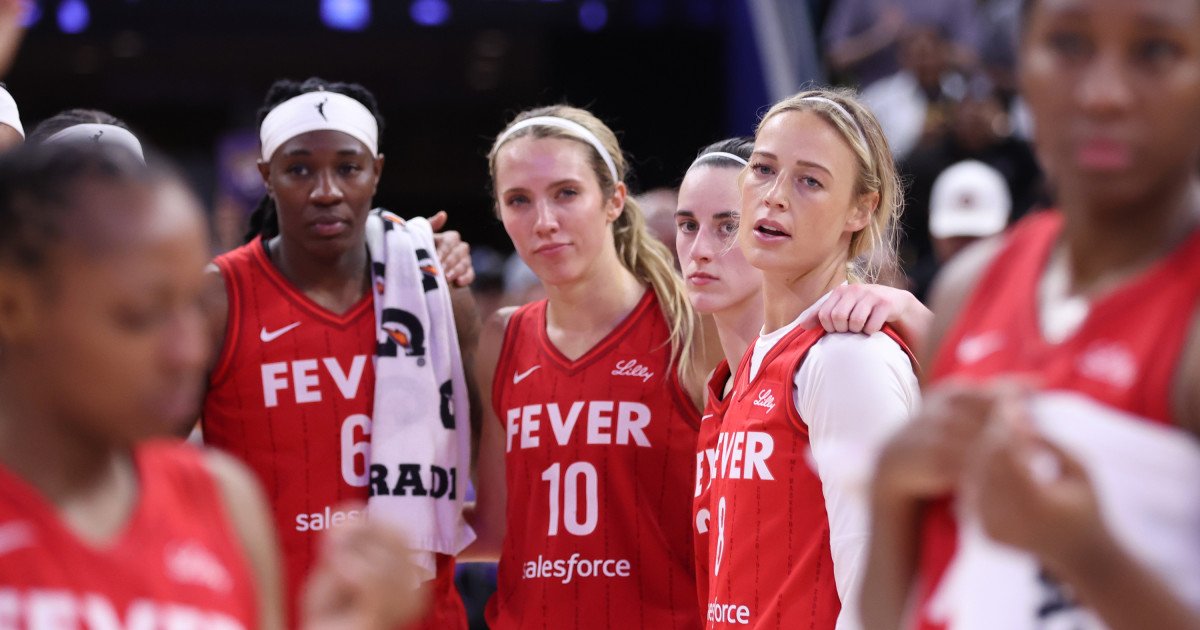
The WNBA stands at a critical crossroads, but the path forward is clouded by more than just stalled negotiations. As the league's tip-off hangs in the balance due to an unsigned Collective Bargaining Agreement, a new and troubling narrative is emerging from the locker room: a significant faction of players is reportedly growing increasingly unhappy with their own representation.
A Season in Limbo, A Union Under Fire
The immediate casualty of the protracted CBA talks is the upcoming season, which is all but guaranteed to start late—if it starts at all. This labor stalemate between the league and the WNBPA is bad enough, but insiders suggest the situation is deteriorating further from within the players' ranks. The core conflict is no longer just between the union and the owners; it's reportedly also between the players and the union meant to champion them.
"Not Felt Looped In"
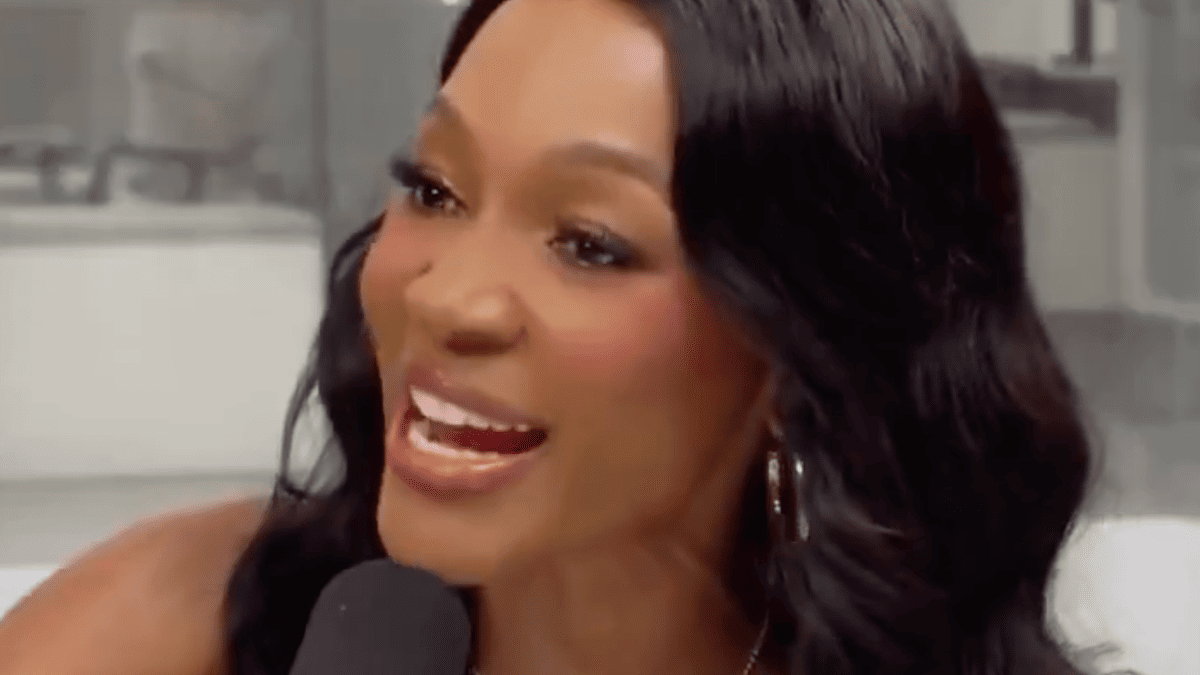
According to sports commentator Robin Lundberg, there have been persistent "rumblings" that "many WNBA players have not felt looped in or represented by the PA." The allegation is stark: a portion of the membership feels their best interests are not being prioritized at the bargaining table. This internal discord threatens to undermine the union's solidarity just when it needs it most, adding a complex layer of dysfunction to an already tense negotiation.
The court of public opinion, however, has been less than sympathetic. On social media, many basketball fans met Lundberg's report with sarcasm and dismissal. Reactions ranged from labeling it "Captain obvious enters the chat" to mocking the notion that this was surprising news. The sentiment among these critics is that player dissatisfaction, especially during high-stakes CBA talks, is a given, not a revelation.
Fan Backlash and Financial Realities
The skepticism extends beyond this specific report. A broader wave of criticism on social media has targeted the WNBPA's veteran leadership and union structures in general. A prevalent fan theory suggests the "old guard" of the league—those who predate the meteoric rise of superstars like Caitlin Clark—are maneuvering for a larger share of benefits, potentially at the expense of the league's newer, more marketable faces.
Compounding these tensions is the evergreen debate about the WNBA's financial health. The long-held assertion that the league operates at a loss continues to frame discussions, with detractors arguing players should be grateful for their current compensation rather than pushing for increased salaries and improved benefits. This economic backdrop adds pressure to negotiations and fuels external criticism of the players' demands.
For the dedicated WNBA fanbase, the outcome is simple and disappointing: no basketball for the foreseeable future. Yet, in a twist of modern sports fandom, a segment of the audience seems less concerned with the sport's return and more intrigued by the potential for organizational chaos. The drama off the court is, for some, becoming the main event.
The standoff presents a multifaceted crisis for the WNBA. It's not merely a labor dispute; it's a test of internal unity and public perception. As the delay drags on, the league must contend with a disgruntled subset of players, a skeptical and sometimes hostile fan reaction, and the immense pressure of capitalizing on its recent surge in popularity. How the union addresses these internal fractures may prove just as crucial as the final CBA terms in determining the league's stability and future growth.