Get ready to mark your calendars differently, football fans. The NFL is shaking up its sacred opening week tradition, and the reaction from its loyal fanbase is anything but celebratory. For the 2026 season, the league is officially moving the first game of the year from its long-standing Thursday night slot to a Wednesday night kickoff, a decision that has ignited a firestorm of criticism.
A Weekday Whirlwind Begins
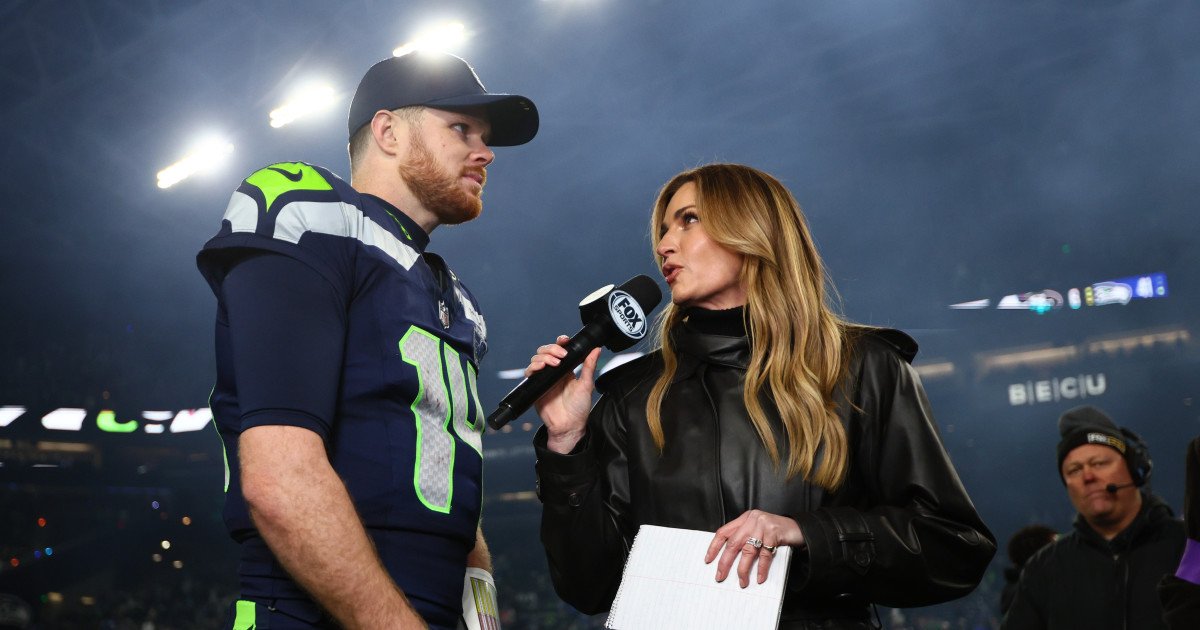
The change, first reported by the Wall Street Journal, means the 2026 regular season will launch on a Wednesday evening on NBC, featuring the Seattle Seahawks as hosts. This will be followed by a Thursday night contest, which is expected to be held in Melbourne, Australia, and likely streamed on a platform like YouTube TV. The league cited scheduling conflicts preventing a Friday game during opening week as the reason for the midweek shuffle.

This isn't just a one-off tweak; it's the latest move in the NFL's aggressive campaign to plant its flag on every day of the week. Under Commissioner Roger Goodell, the league has steadily expanded from its Sunday stronghold to claim Mondays, Thursdays, and Saturdays. Now, with Wednesday in its sights, the NFL is inching closer to a near-daily presence on the sports calendar.
Fan Fury Erupts Online
The announcement was met with immediate and intense backlash on social media. Fans are expressing deep frustration, arguing that the league is sacrificing its unique identity and the reliable weekly rhythm that has defined the sport for generations—all in pursuit of increased television revenue.
One fan captured the sentiment perfectly, writing, "It's insane to watch the NFL destroy their one true competitive advantage (owning one day instead of being on constantly) in real time, all for incrementally more tv money." Another added, "Lighting the reliable rhythm of the NFL schedule on fire is such a ridiculous own goal," while others simply labeled the move "nonsense."
The core complaint is clear: fans now have to plan around games on Sundays, Mondays, Thursdays, and now Wednesdays, with occasional Saturday games later in the season. This constant fragmentation is seen as a burden, diluting the special, communal feel of NFL Sundays and turning the season into a logistical puzzle.
The Bigger Picture: A Schedule Saturation Point?
This controversy raises a critical question for the most powerful entity in live television: is there a limit? The NFL's relentless expansion, while financially lucrative, risks alienating the very audience that built its empire. Fans cherish tradition and routine, and this move is seen as a direct assault on both.
It's a familiar tension in sports, where commercial interests often clash with fan experience. We've seen similar debates around college basketball scheduling and even major Formula 1 calendar changes. The challenge for any league is balancing growth with the core elements that made it popular in the first place.
While the NFL has previously experimented with holiday-adjacent games, moving the prestigious season opener is a bolder step. It also introduces new logistical complexities, as seen when other sports must rapidly adjust schedules for external factors. For now, the league is betting that its product is strong enough to withstand the fan discontent.
As the 2026 season approaches, the debate will only intensify. Will fans adapt to the new midweek reality, or will this be the change that finally prompts a widespread backlash against the NFL's schedule creep? One thing is certain: the reliable drumbeat of football Thursdays is officially changing its tempo.