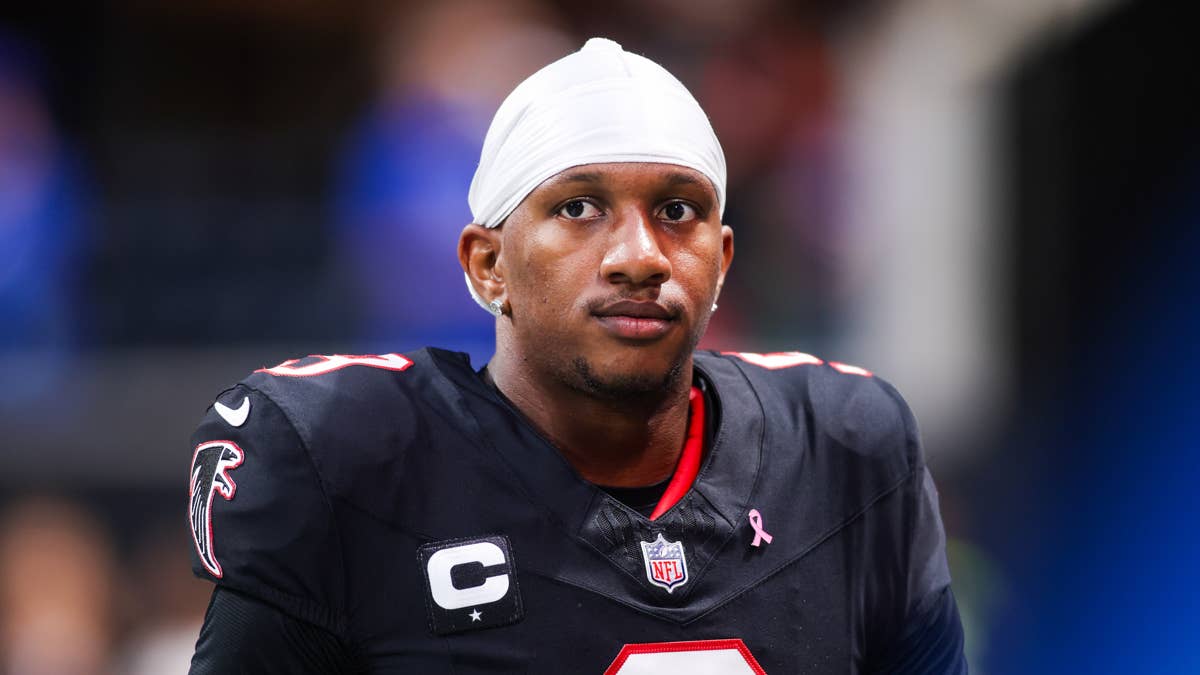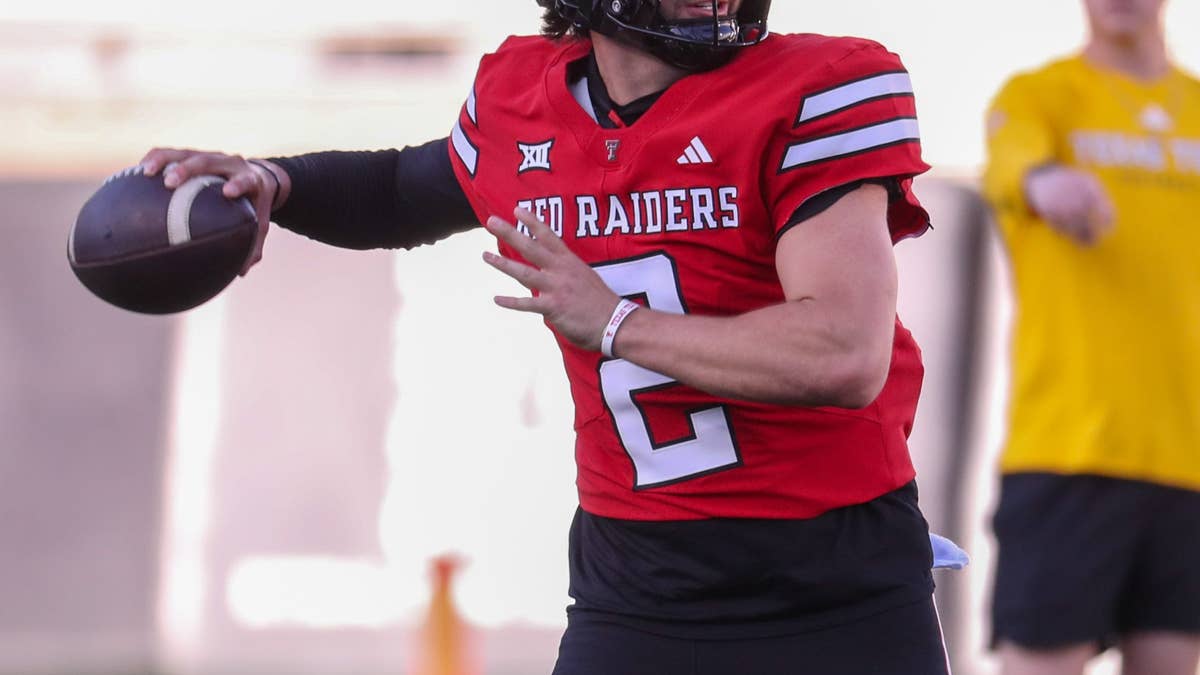
The college football world was stunned when quarterback Brendan Sorsby, fresh off a transfer to Texas Tech, checked into a treatment facility for gambling addiction. Now, a new twist could see him skipping the NCAA entirely and landing in the NFL as early as this summer.
NFL insider Tom Pelissero dropped the bombshell on The Rich Eisen Show, revealing that Sorsby is eligible for the NFL Supplemental Draft in June. That’s the little-known annual draft where players whose eligibility status changes—often due to disciplinary or academic issues—can get picked up by pro teams. Sorsby’s situation, tied to a gambling probe that threatens his college career, fits the bill perfectly.
If an NFL team uses a 2027 first-round pick to snag him, Sorsby would become the highest Supplemental Draft selection in decades. Pelissero didn’t mince words: the kid grades out as a potential franchise quarterback. But the off-field baggage has complicated what was once a straightforward path to the pros.
According to Pelissero, Sorsby recently admitted himself to a five-week rehab program for gambling. Reports indicate he placed bets on numerous games throughout his college tenure, raising red flags with the NCAA and jeopardizing his eligibility at Texas Tech. That’s a far cry from the player who earned Second-Team All-Big 12 honors in 2025 and threw for 45 touchdowns against just 12 interceptions over two seasons at Cincinnati.
The Supplemental Draft is no joke, despite its low profile. It’s produced legends like Hall of Famer Cris Carter, Pro Bowler Bernie Kosar, and All-Pro receiver Josh Gordon. More recently, Dallas Cowboys defensive back Jalen Thompson came through that route. For Sorsby, it could be the lifeline he needs to keep his NFL dream alive.
But the gambling scandal isn’t going away quietly. The NCAA is reportedly investigating Sorsby’s betting history, and the story has already sparked broader conversations about the growing gambling crisis in college sports. Paul Finebaum recently warned that this is just the tip of the iceberg, and Sorsby’s case might be a wake-up call for the entire system.
If Sorsby does declare for the Supplemental Draft, he’ll have to weigh the risk of a team using a future pick on him versus the uncertainty of his NCAA status. The process is simple: teams submit blind bids specifying the round they’d use, and the winner forfeits that pick in the following year’s draft. It’s a gamble—pun intended—but one that could pay off big for a quarterback with his arm talent.
For now, Sorsby’s focus is on recovery. But the clock is ticking. The Supplemental Draft is just months away, and if he’s cleared to enter, he could be the most talked-about player in a draft that usually flies under the radar. Will he bet on himself and take the leap? The sports world is watching.