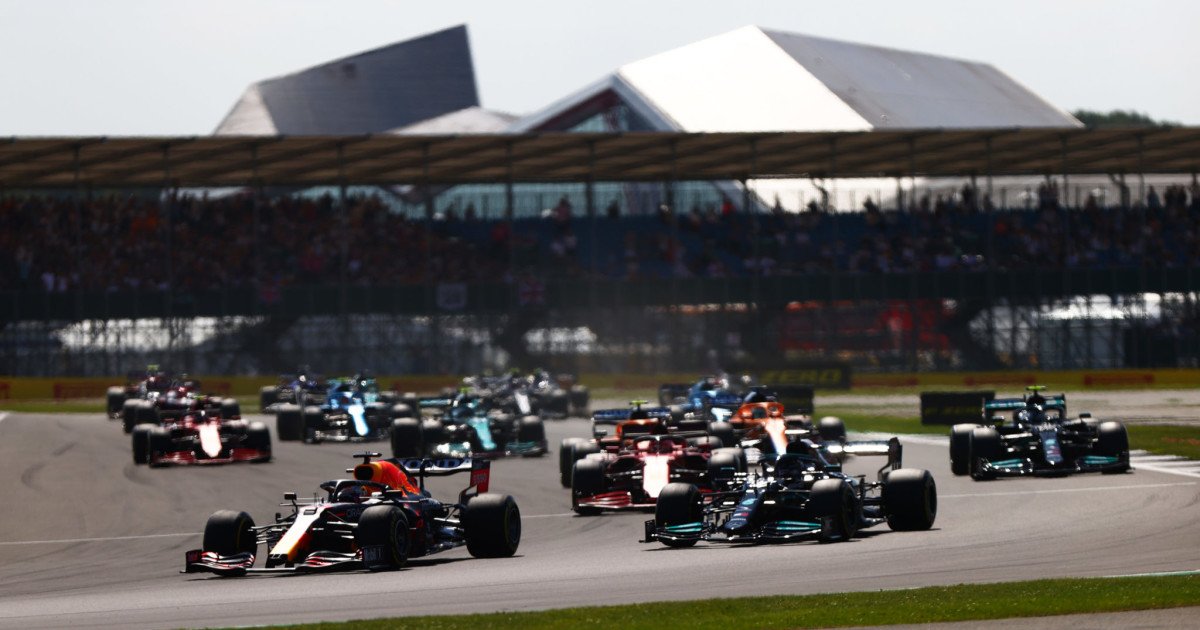
The roar of Formula 1 engines will fall silent for an unexpected stretch this spring. In a major calendar shakeup, F1 has made its final call, officially canceling the scheduled April Grands Prix in Bahrain and Saudi Arabia. The decision, driven by the ongoing conflict in the Middle East, leaves a significant gap in the early-season schedule with no replacement races planned.
A Necessary Pause for Safety
This isn't just a postponement—it's a full cancellation for April. The organization confirmed that alongside the premier F1 events, the supporting F2, F3, and F1 Academy race weekends in those countries are also off. After evaluating all options, officials concluded that holding the events as planned was untenable, and finding a suitable alternative on such short notice proved impossible.

"The Bahrain and Saudi Arabian Grands Prix will not take place in April," read an official statement. "Due to the ongoing situation in the Middle East the Grands Prix, alongside F2, F3, and F1 Academy rounds, will not take place as scheduled. While alternatives were considered, no substitutions will be made in April."
Leadership Backs the Difficult Decision
Formula 1 CEO Stefano Domenicali addressed the move, framing it as a tough but essential choice made with the full backing of the sport's governing body, the FIA, and the local race promoters. He emphasized that the safety and security of all participants, teams, and fans were the paramount concerns.
"While this was a difficult decision to take, it is unfortunately the right one at this stage considering the current situation in the Middle East," Domenicali stated. He expressed gratitude for the understanding shown by promoters and a strong desire to return. "We cannot wait to be back with them as soon as the circumstances allow us to do so."
The cancellation creates an unplanned hiatus for drivers and teams, disrupting the rhythm of the young season. It also represents a major logistical and financial challenge for the sport and its stakeholders. While the spotlight is on F1, the decision impacts the entire racing ecosystem, from the aspiring young drivers in the feeder series to the thousands of staff and local businesses connected to the events.
Looking Ahead to a Crowded Calendar
This abrupt pause raises questions about the latter part of the season. The F1 calendar still features several events in regions geographically close to the current conflict, including the Azerbaijan, Qatar, and Abu Dhabi Grands Prix later in the year. The sport will be hoping for a swift resolution to ensure those events can proceed without issue.
For now, the focus shifts to the remaining races on the schedule. The unexpected break might allow teams extra time for development, potentially shaking up the competitive order when the action resumes. In other sports news, teams are making critical roster decisions, like the Philadelphia Eagles weighing a major move involving star receiver A.J. Brown. Meanwhile, the racing world continues to search for its next breakout star, with drivers like Lindsay Brewer using social media to accelerate her path to the top.
As the F1 world grapples with this schedule disruption, fans are left waiting. The hope is for peace and stability, so the pinnacle of motorsport can return to these passionate markets with the speed and spectacle they deserve.