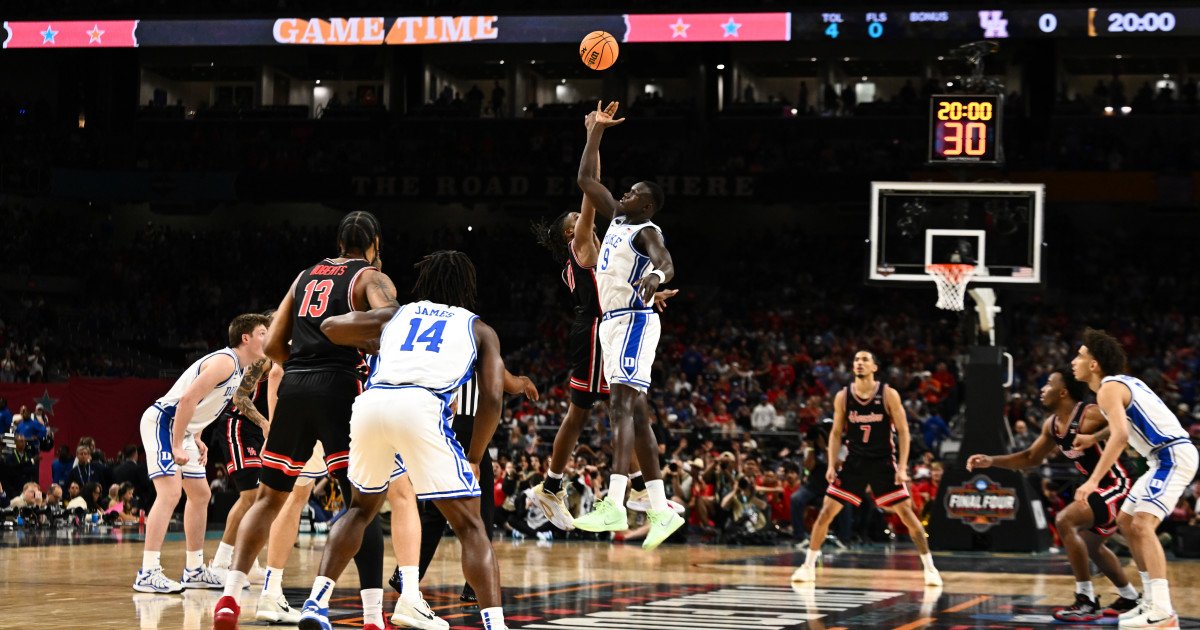
The NCAA Tournament is famous for its buzzer-beaters and Cinderella stories, but this year, a different kind of drama is unfolding off the court. The schedule for the upcoming Sweet 16 games has ignited a firestorm of criticism from college basketball fans who say the late tip-off times are a major foul.
This Thursday and Friday, eight teams will battle for a spot in the Elite Eight. While the matchups promise high-stakes excitement, the game times are leaving a sour taste for many. The slate features tip-offs as late as 10:05 p.m. Eastern Time, a decision that has the tournament's largest audience base—East Coast viewers—crying foul.
Fans Sound Off on Social Media
The backlash has been swift and loud across social media platforms. Fans are questioning the logic of starting pivotal tournament games so late on a weeknight. "These tip times are insane," wrote one frustrated supporter, echoing a common sentiment that overlapping games could still be achieved with an earlier start.
Another fan pointed out the demographic disconnect, noting, "Nearly half the U.S. population lives in the Eastern Time Zone... yet we set games at 9:45PM & 10:05PM on a work night." The complaint highlights a core issue: with games often starting even later than scheduled due to broadcast delays, fans are facing the prospect of staying up past midnight just to see the final buzzer.
A Schedule Under Scrutiny
Looking at the Thursday lineup, the problem becomes clear. After Purdue vs. Texas and Nebraska vs. Iowa tip off in the 7 p.m. ET hour, fans must wait until nearly 10 p.m. for the night's premier contests: Arizona vs. Arkansas and Houston vs. Illinois. Friday's schedule follows the same pattern. This setup has also drawn ire for pitting what many see as the two best games of each night directly against each other, forcing viewers to choose.
The frustration isn't just about sleep deprivation. It's about accessibility. Fans argue that earlier start times would allow more people, including younger viewers and those with early work schedules, to fully experience the climax of March Madness. The current schedule, they say, prioritizes West Coast primetime at the expense of the tournament's national heartland.
This scheduling controversy adds another layer of drama to a tournament already full of surprises, like the stunning upsets that forced ESPN's BPI to recalculate its Final Four forecasts. While analysts crunch new numbers, fans are left wondering if the NCAA will listen to their calls for change.
Is a Change on the Horizon?
The debate raises a fundamental question for the NCAA: should the tournament schedule adapt to its audience? Suggestions from the fanbase are plentiful, with many proposing a simple shift to a 6 p.m. and 8:30 p.m. ET doubleheader on weeknights. This, they argue, would preserve the excitement of back-to-back games while respecting the realities of viewers' lives.
As the tournament progresses, all eyes will be on the court for clutch shots and coaching decisions, like the kind that led to intense scrutiny for Florida's coach after a tournament-ending gamble. But the conversation about the schedule is sure to continue long after the nets are cut down. Whether the NCAA will adjust its game plan for future tournaments remains to be seen, but for now, a significant portion of the March Madness faithful is feeling left out in the late-night cold.