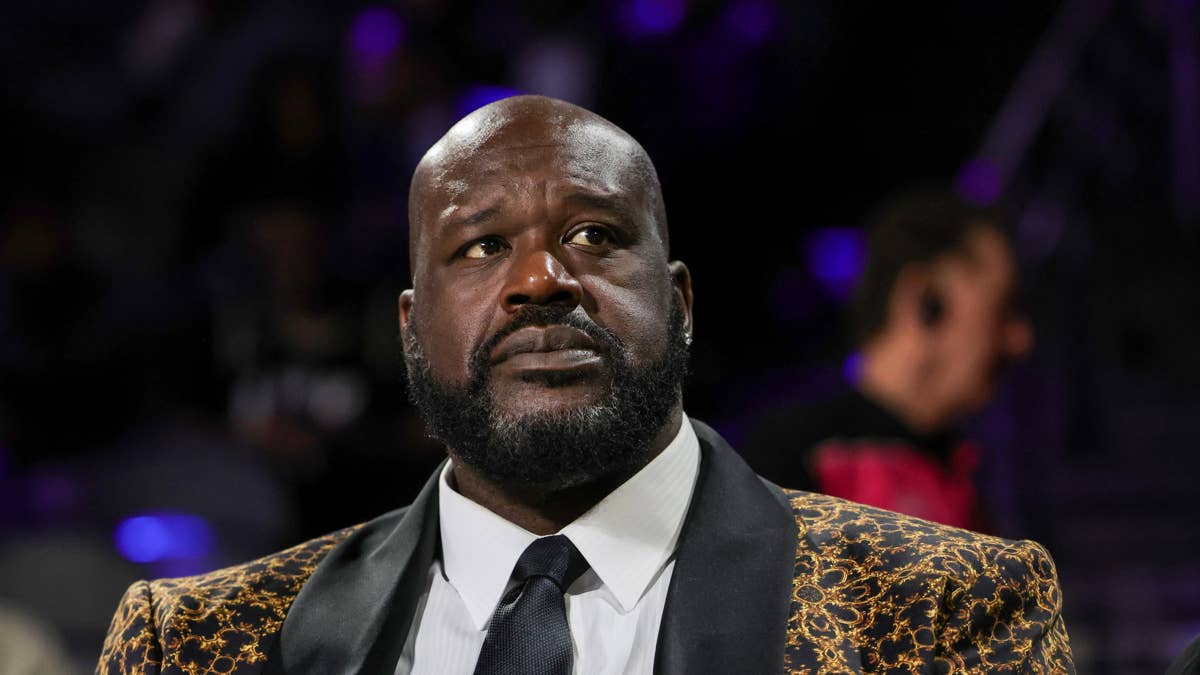
When Bam Adebayo dropped an astonishing 83 points against the Washington Wizards last week, the basketball world should have been celebrating a historic performance. Instead, a vocal segment of fans erupted in outrage—not because of the achievement itself, but because of whose record he passed. The Miami Heat star's explosion now sits second only to Wilt Chamberlain's 100-point game, pushing the late Kobe Bryant's iconic 81-point night down a spot in the record books.
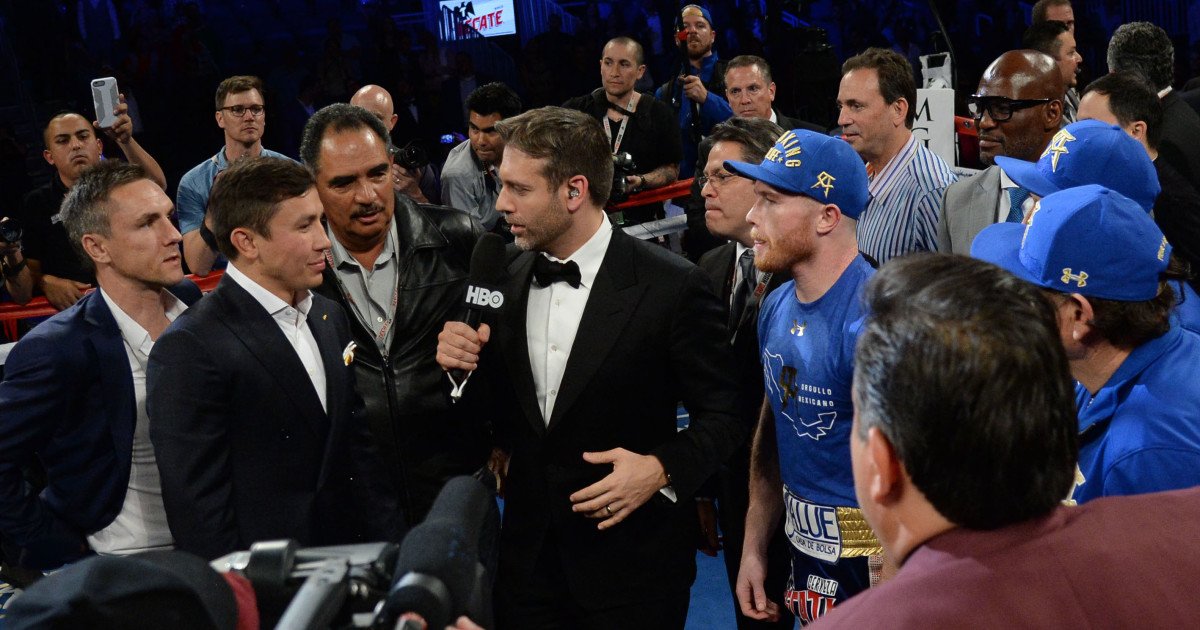
That shift has sparked a fiery debate, and veteran sports commentator Max Kellerman isn't having any of the backlash. Appearing on Game Over with Rich Paul, Kellerman delivered a blunt critique of the emotional reaction, arguing that fans are letting their hearts overrule their heads when it comes to Adebayo's place in history.

Kellerman Calls Out the 'Foolish' Backlash
"In this case, people's emotions about Kobe are overriding their frontal lobes, where the judgment is," Kellerman stated, echoing a sentiment from his discussion. "And it's making them say foolish stuff about Bam." He suggested that many fans have a preconceived notion of the "type of guy" worthy of breaking such a hallowed record and resent when the reality doesn't match their ideal.
Kellerman pushed back hard against the idea that Adebayo's masterpiece somehow diminishes Bryant's legacy. "Yeah, Kobe's feat was more impressive. If you wanted to say which game would I rather have, I would rather have Kobe's game," he conceded, before putting the record in perspective. "There are better games than Kobe's 81-point game; that's not what the 81-point game is about. It's about how many points he scored!" His point was clear: celebrating Adebayo's 83 doesn't erase the cultural weight of Kobe's 81.
Legacy vs. The Record Book
The core of Kellerman's argument hinges on separating statistical achievement from lasting legacy. While the NBA record book will now list Adebayo's 83 above Bryant's 81, no one is confusing the Heat center's career arc with that of the Black Mamba. Kobe Bryant transcended basketball to become a global icon, a figure known far beyond the confines of the sport. Adebayo, for all his All-Star talent, has not reached that stratosphere of cultural impact.
This controversy also raises questions about the context of the record-breaking night. Some analysts, like Doris Burke, have expressed discomfort with the Heat's tactics in feeding Adebayo during the blowout win. Furthermore, the opponent's effort has been scrutinized, with the Wizards facing tanking accusations in the aftermath of the historic shellacking.
Yet, as Kellerman implies, none of that context changes the factual entry in the record book. The emotional response, he argues, is more about protecting a legend's memory than a genuine critique of the game itself. It's a phenomenon not unique to basketball, as seen when ESPN's Ryan Clark blasted political uses of NFL imagery, showing how sports moments can trigger deep-seated feelings beyond the field of play.
In the end, Kellerman's message is a plea for rationality. We can hold Kobe Bryant's legacy in the highest possible regard—a legacy recently highlighted by a timeless tweet that resurfaced after Adebayo's night—while also acknowledging Bam Adebayo's incredible, record-setting performance for what it is: a single-night scoring explosion for the history books. One feat doesn't cancel out the other; basketball history is big enough for both.
The debate underscores how modern sports discourse often lives in the extremes. Every hot take seems to demand picking a side, leaving little room for the nuanced truth that both things can be valid. Adebayo had a legendary game. Kobe Bryant is a legendary figure. As Kellerman suggests, perhaps it's time to let the frontal lobe do a little more of the talking.