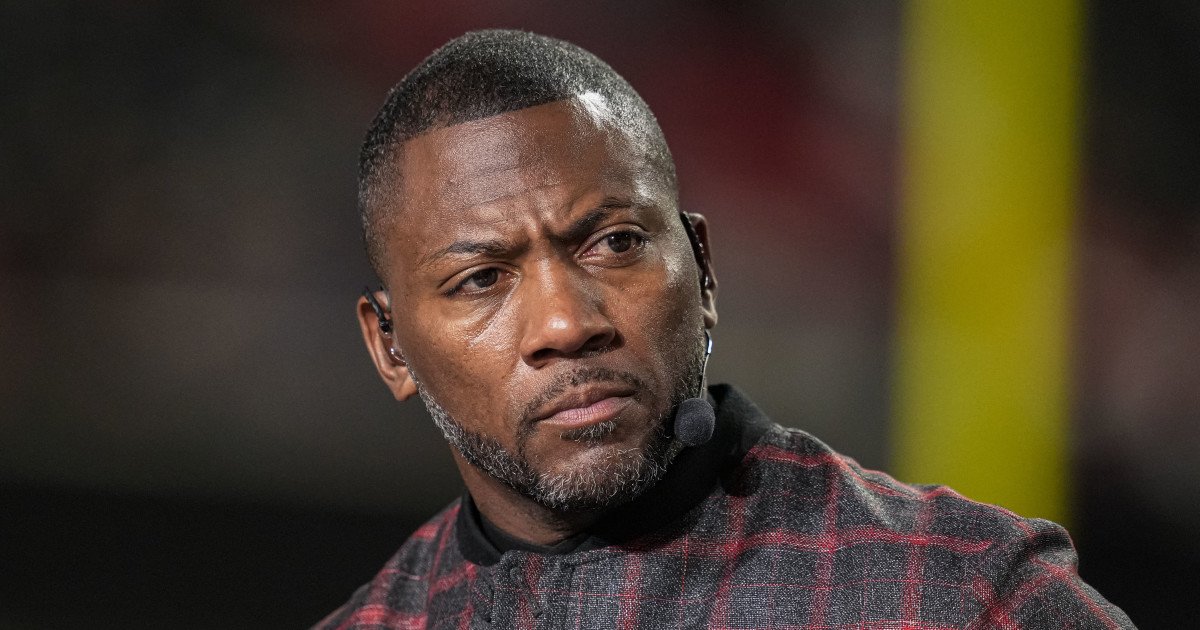
ESPN analyst and former NFL defensive back Ryan Clark has launched a scorching critique against the White House, taking aim at what he calls a 'disgusting' and 'despicable' use of sports imagery in the context of military conflict. The veteran commentator didn't hold back in his assessment of a recent administration social media post that spliced NFL highlights into content about ongoing tensions with Iran.
A 'Highlight Film' For War?
Clark, a Super Bowl champion known for his thoughtful analysis on ESPN platforms, expressed deep disappointment during an episode of his 'The Pivot' podcast. His core grievance centers on the blending of entertainment and warfare. "To have 'Tropic Thunder' and football highlights on a video about war is one of the more insensitive things that I've ever seen," Clark stated. He emphasized the solemn reality behind military action, arguing, "War doesn't deserve a highlight film... War is not a comedy."

The analyst connected the video's tone directly to a failure of leadership. "For these people to be risking their lives... for our regime to be as unserious, as unprofessional, as laughable, and as illegitimate as our leadership is right now, is embarrassing," Clark declared. His comments reflect a broader sentiment that the gravity of international conflict demands decorum, a quality he believes is currently absent.
Losing 'All Decorum'
Clark's criticism extends beyond a single poor editorial choice. He framed the incident as symptomatic of a deeper erosion of presidential character. Drawing a stark contrast, he noted, "The public servant stands at attention for 45 minutes in a salute because he understands what those soldiers who gave their lives have done for our country." In his view, the current approach prioritizes spectacle over substance.
"We've lost 100% any credibility," Clark asserted. "We've lost all decorum. We've lost all integrity. We've lost all character." This isn't the first time a sports figure has clashed with political messaging; the incident echoes other high-profile critiques, such as when the White House fired back at Rogan's Trump betrayal claims over the Iran conflict. Clark's remarks place him firmly within a tradition of athletes and analysts using their platform to question political conduct.
The former Pittsburgh Steeler's outrage stems from a place of respect for military service. He pointed to the families of service members who "don't see war as a sport," framing the administration's video as a profound disrespect to their sacrifice. For Clark, leveraging the excitement of an NFL highlight reel to contextualize warfare trivializes the ultimate price paid by soldiers.
A Pattern of Behavior
Clark suggested the video's approach is driven by a personality craving constant attention. "Because the reality star needs everybody to know at all times, 'Oh, look at me, look at the attention I'm garnering, we're doing this for me,'" he commented. This critique of style over substance is a recurring theme in political discourse, mirroring debates in other sports realms, like the contract disputes that led Jon Jones to demand his UFC release after a contract dispute with Dana White.
It's worth noting that this isn't an isolated case of the administration using sports imagery in official communications; reports indicate the White House has also utilized MLB highlights in similar contexts. Clark's vocal condemnation adds a significant voice from the sports media world to the conversation about the appropriate tone for matters of state.
As a respected figure who transitioned from the gridiron to the analyst desk, Clark's words carry weight with a large sports audience. His decision to speak out highlights the increasing intersection of sports, media, and political commentary. It follows a pattern of ESPN personalities making headlines for strong opinions, similar to when an ex-ESPN analyst torched Stephen A. Smith over a 'laughable' NCAA Tournament take.
Ultimately, Ryan Clark's message is a plea for seriousness. In a media landscape often dominated by highlights and hot takes, he is drawing a firm line, insisting that some subjects—especially war—demand a gravity that football clips and movie spoofs fundamentally undermine. His powerful rebuke challenges not just a video editor's choice, but the very character of the nation's leadership.