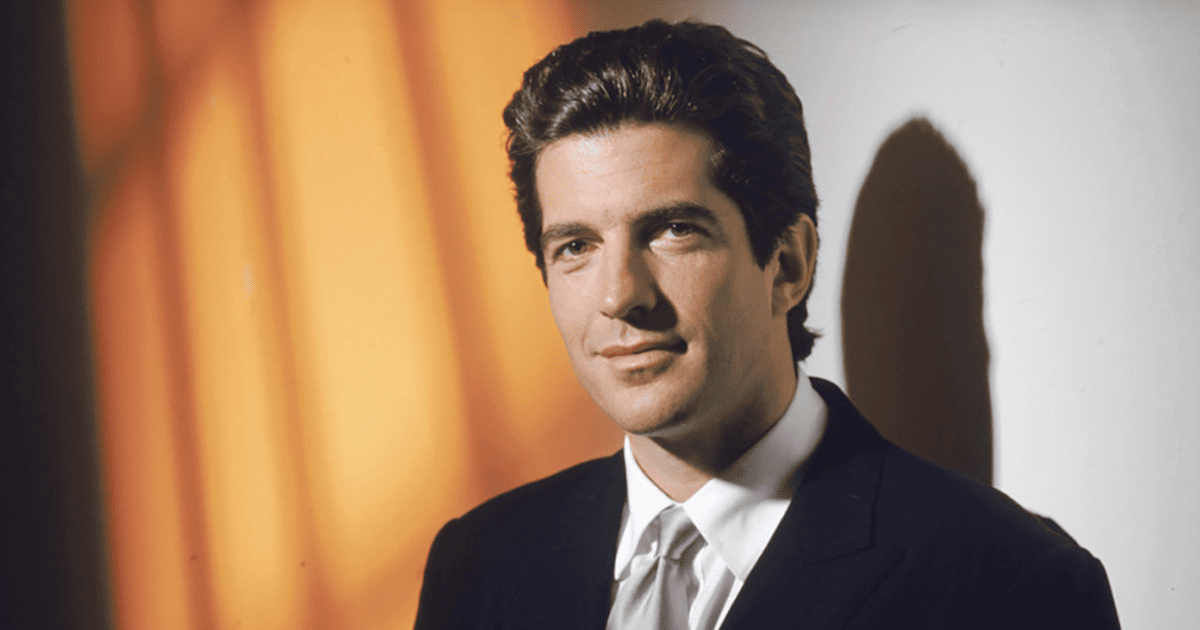
The cultural fascination with John F. Kennedy Jr. is experiencing a massive resurgence, fueled by a popular new streaming series. While the show highlights his style and charisma, a different story is emerging from the dusty diamonds of Central Park—one where America's most famous son struck out, literally.
From Screen Icon to Sandlot Legend... For All the Wrong Reasons
Over two decades after his tragic death, JFK Jr. is back in the zeitgeist. The FX and Hulu series detailing his romance with Carolyn Bessette has sparked a fashion revival, with men emulating his iconic casual-meets-formal look. But beyond the backwards hats and bicycles lies a lesser-known chapter of his New York life: his enthusiastic but deeply flawed career in the city's quintessential summer pastime, recreational softball.

A Teammate's Blunt Assessment
According to a revealing 2009 blog post from a former teammate, Kennedy's athletic prowess, celebrated in sailing and touch football, did not translate to the softball field. The review was brutally honest. "First thing off the bat, so to speak, JFK Jr. was a horrible softball player, with no baseball talents at all," the post stated. The critique didn't stop there, offering vivid imagery of his technical failings.
The teammate elaborated with colorful comparisons, noting, "He threw like my grandmother, only not as hard." At the plate, success was rare. Hitting a simple ground ball to the shortstop was considered a "major accomplishment" when facing gentle, lobbed pitches. His fielding skills were reportedly just as shaky, with any caught ball being attributed more to "accident" than ability.
The Strategic Placement: Behind the Plate
Recognizing these limitations, his team employed a classic sandlot strategy for less-skilled players: they hid him at catcher. As the blog explained, this position "can do the least amount of damage," especially with a competent pitcher who could cover home plate on crucial plays. It was a pragmatic move, allowing the eager but uncoordinated Kennedy to participate without derailing the game.
This wasn't a case of a complete non-athlete, however. The account conceded that JFK Jr. possessed a natural athletic base and "could run decently." It suggested the famed Kennedy competitive spirit was simply better suited to the family's traditional touch football games in Hyannis Port, Massachusetts, rather than the nuances of hitting a larger, slower ball.
Legacy Beyond the Scorecard
The story paints a relatable picture. Here was a man, the son of a president, a publishing magnate, and a bonafide style icon, who was just another guy trying—and failing—to look good during a weekend game in the park. His willingness to play, and his team's willingness to include him, speaks to the communal, often forgiving spirit of recreational sports.
While the new series dramatizes his football skills and romantic life, this softball anecdote adds a deeply humanizing layer to the JFK Jr. mythology. It reminds us that cultural icons have their off days, and sometimes, even the most glamorous New Yorkers can be the last pick on the diamond. His effort, if not his execution, earns a tip of the cap.