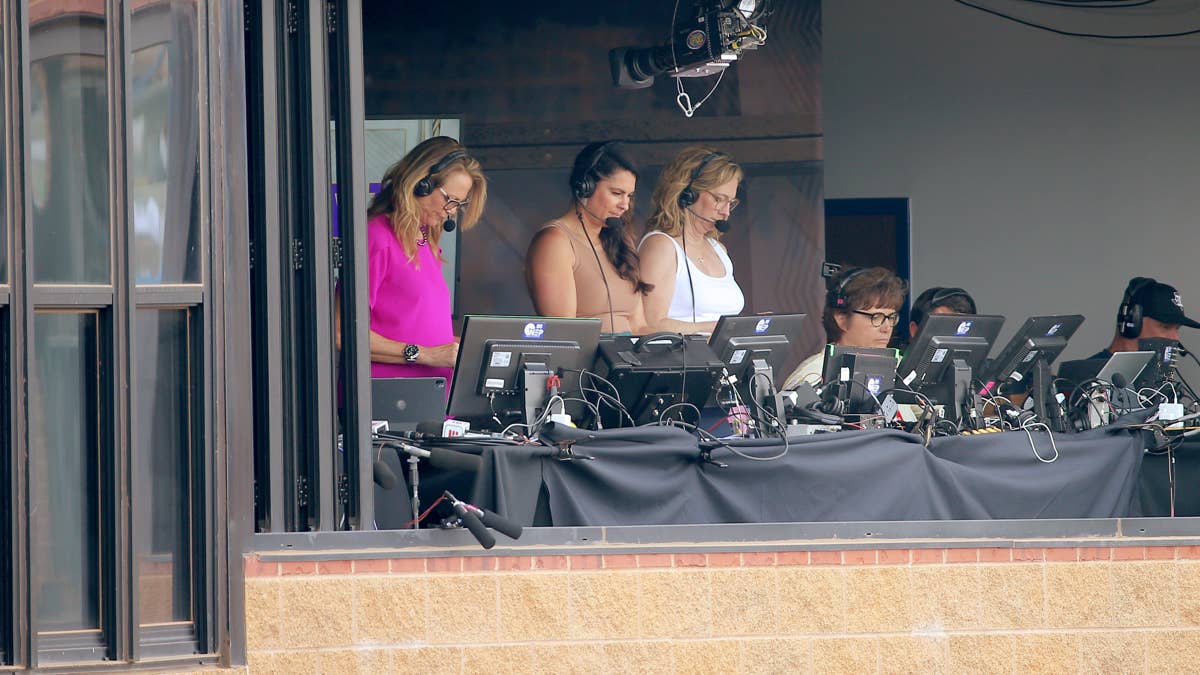
The 2026 Women's College World Series is supposed to be a showcase of the best in college softball, but this year, ESPN's coverage has become the main story for all the wrong reasons. Fans are voicing their frustration after a weekend of technical hiccups that disrupted the broadcast from Oklahoma City.
On Saturday, May 30, viewers noticed audio and visual problems that made it hard to follow the action. Camera issues popped up at key moments, and some outages left fans staring at blank screens. Social media lit up with complaints, with one user calling it a "joke" and another labeling the coverage "brutal."
"ESPN not being able to broadcast the WCWS when it's always at the same place is wild," tweeted a fan named Owen Barnes, capturing the sentiment of many who expected smoother production from the so-called Worldwide Leader in Sports.
The backlash didn't stop there. One fan pointed out the irony of ESPN's financial priorities, writing: "Good to know ESPN doesn't have the ability or money to fully air the WCWS on ABC, but they can give every SEC school $70 million-plus for their media deal." That criticism hits a nerve, especially as college sports spending continues to skyrocket. For context, recent debates about the financial future of college athletics have raised similar questions about where networks invest their resources.
While the technical issues seemed to be mostly glitches, one incident was more dramatic. A video circulating on social media showed an ESPN cameraperson dropping equipment on the field, which drew a mix of sympathy and amusement. "ESPN camera guy drops his paycheck at the WCWS," joked a user who shared the clip.
Despite the rocky start, ESPN continued airing games on Sunday, though fans kept up the heat online. The Women's College World Series remains one of the most exciting events on the sports calendar, with powerhouse teams like Texas and Tennessee leading the winners' bracket in the double-elimination tournament. The drama on the field deserves better than a broadcast that feels like an afterthought.
As the tournament progresses, all eyes will be on whether ESPN can clean up its act. With more games scheduled for Monday and beyond, the network has a chance to redeem itself. But for now, the conversation is less about home runs and strikeouts and more about whether the coverage matches the magnitude of the event.
For those following the broader landscape of sports media rights, this isn't an isolated incident. The recent controversy over FIFA's attempt to pull 2026 World Cup rights from Fox shows that even the biggest networks can face scrutiny over their commitments. And with college sports facing existential questions—like the warnings from coaches such as Curt Cignetti about the need for urgent reform—ESPN's stumble at the WCWS feels like a symptom of a larger problem.
For now, fans are left hoping that the rest of the Women's College World Series will be remembered for the athletes, not the broadcast blunders. The stakes are high, and the action deserves a flawless stage.